
The Sourcing Journal
Practical guides on prototyping, sampling, factory vetting, and everything else in between.

How Much Should You Pay for Samples? A Guide for New Apparel Brands
Sample costs for apparel vary widely depending on factory type, garment complexity, and who's absorbing the development cost. Here's what to expect and how to negotiate.
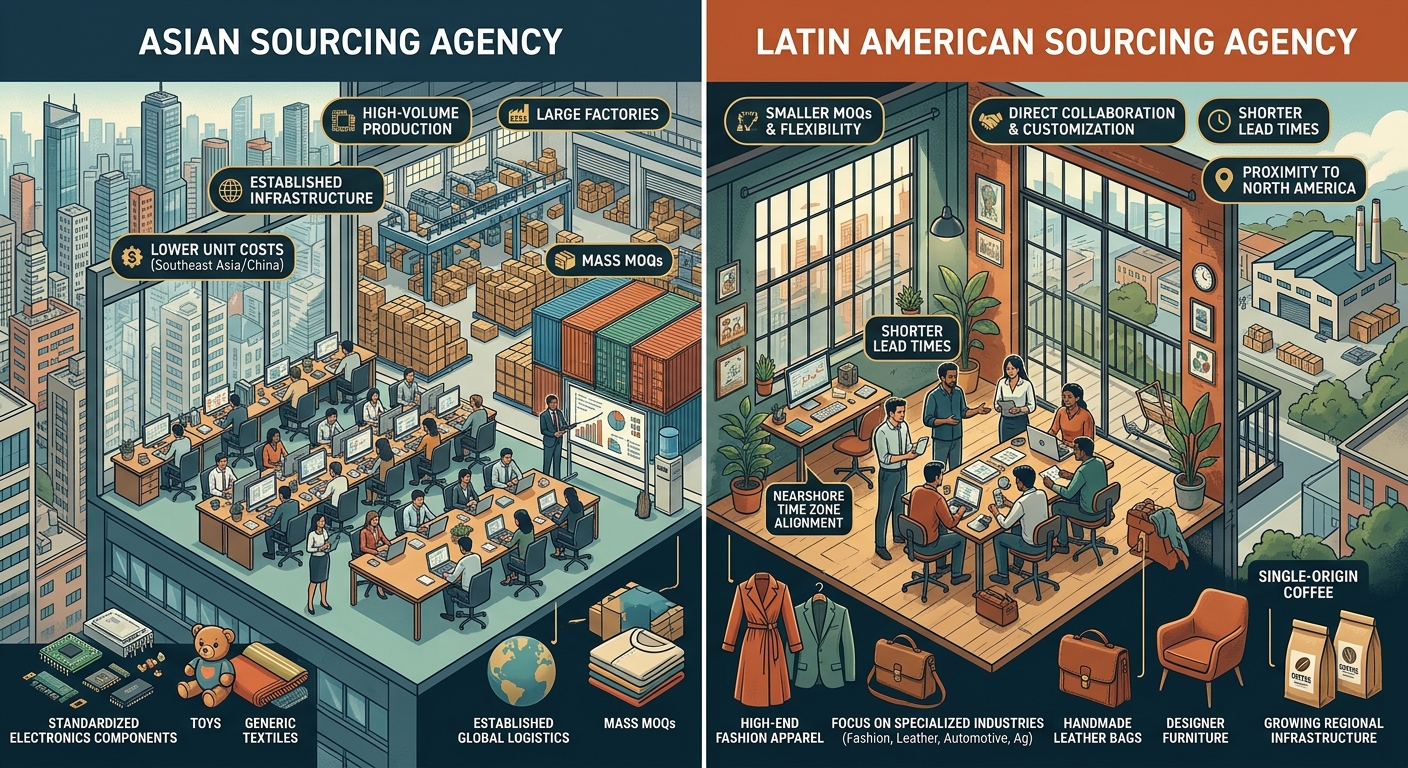
Asian vs. Latin American Sourcing Agencies: A Practical Comparison for U.S. Importers
Choosing between a sourcing agency in Asia and one in Latin America depends on your product category, lead times, and total landed cost. Here's how to think through the decision.
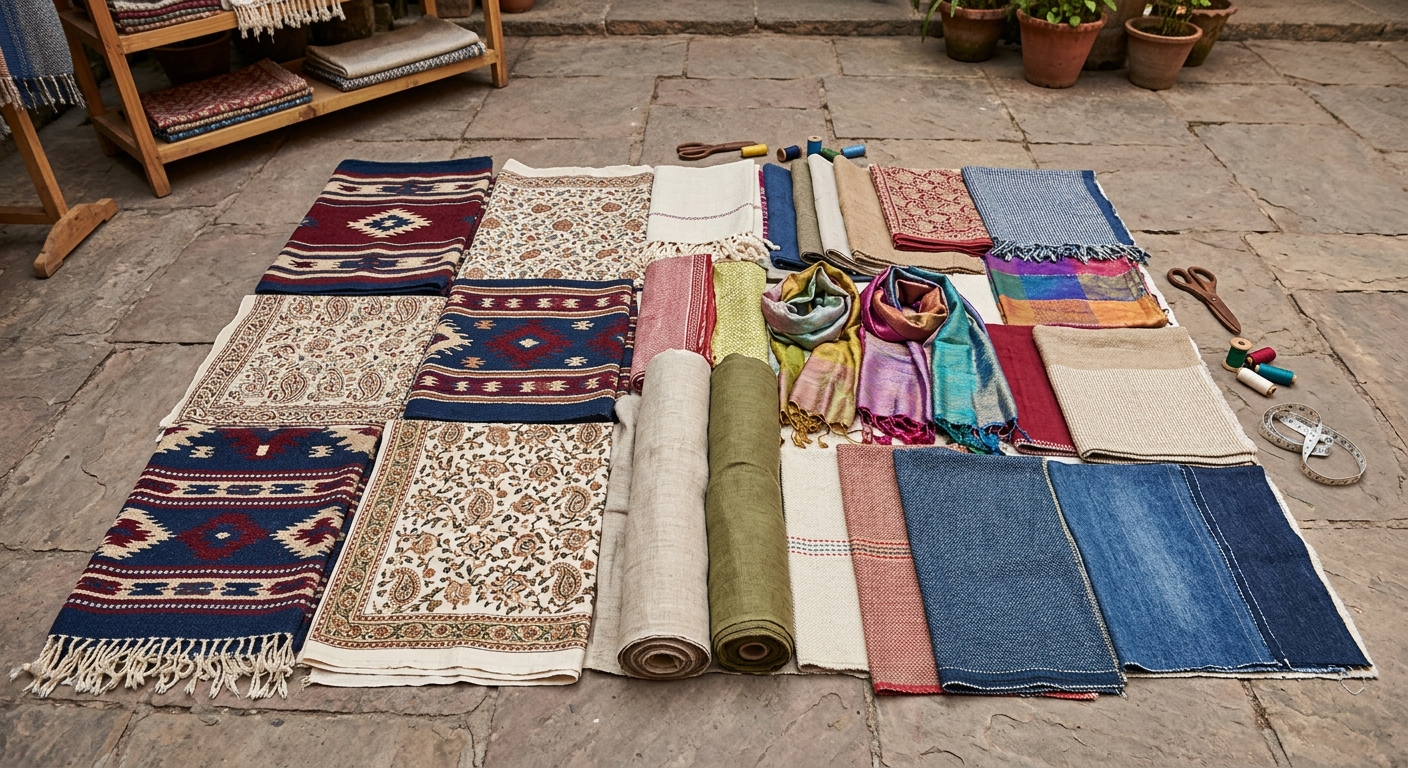
Top 5 Textile Fabrics Produced End-to-End in Peru
Peru is one of the few countries where several premium textiles are grown, processed, spun, and finished domestically. Here are the five fabrics where Peruvian vertical integration gives importers a real sourcing advantage.

Top 10 Manufacturing Industries in Peru for U.S. Importers
Peru's manufacturing sector spans textiles, agro-processing, metals, and more. Here are the ten industries worth considering if you're sourcing physical goods from Peruvian factories.

Top 10 Organic Supplements Produced in Mexico
Mexico is a growing source for organic supplement manufacturing, offering proximity, USDA-NOP compliant options, and competitive pricing. Here are the top 10 organic supplements U.S. buyers are sourcing from Mexican manufacturers.

Top 10 U.S. Online (Ecommerce-Only) Women's Clothing Stores
A ranked look at the ten largest U.S. ecommerce-only women's clothing retailers — useful sourcing intelligence for importers competing in or supplying this market.

The 2026 Timeline and Guide to U.S. Import Duties: Where Tariffs Stand for U.S. Importers
A practical breakdown of the current U.S. tariff landscape heading into 2026 — covering Section 301, Section 232, IEEPA tariffs, GSP, and what importers need to know to manage landed cost accurately.

Types of Logistics Suppliers (3PL) Every Importing Brand Needs to Know
Not all third-party logistics providers do the same thing. Here is a breakdown of the main 3PL types, what each one handles, and how to decide which combination your import operation actually needs.

Private Label Apparel Sample Lead Times: China vs. Mexico
Sample lead times for private label apparel differ significantly between China and Mexico. Here's a realistic breakdown of timelines, shipping options, and what affects each country's turnaround.
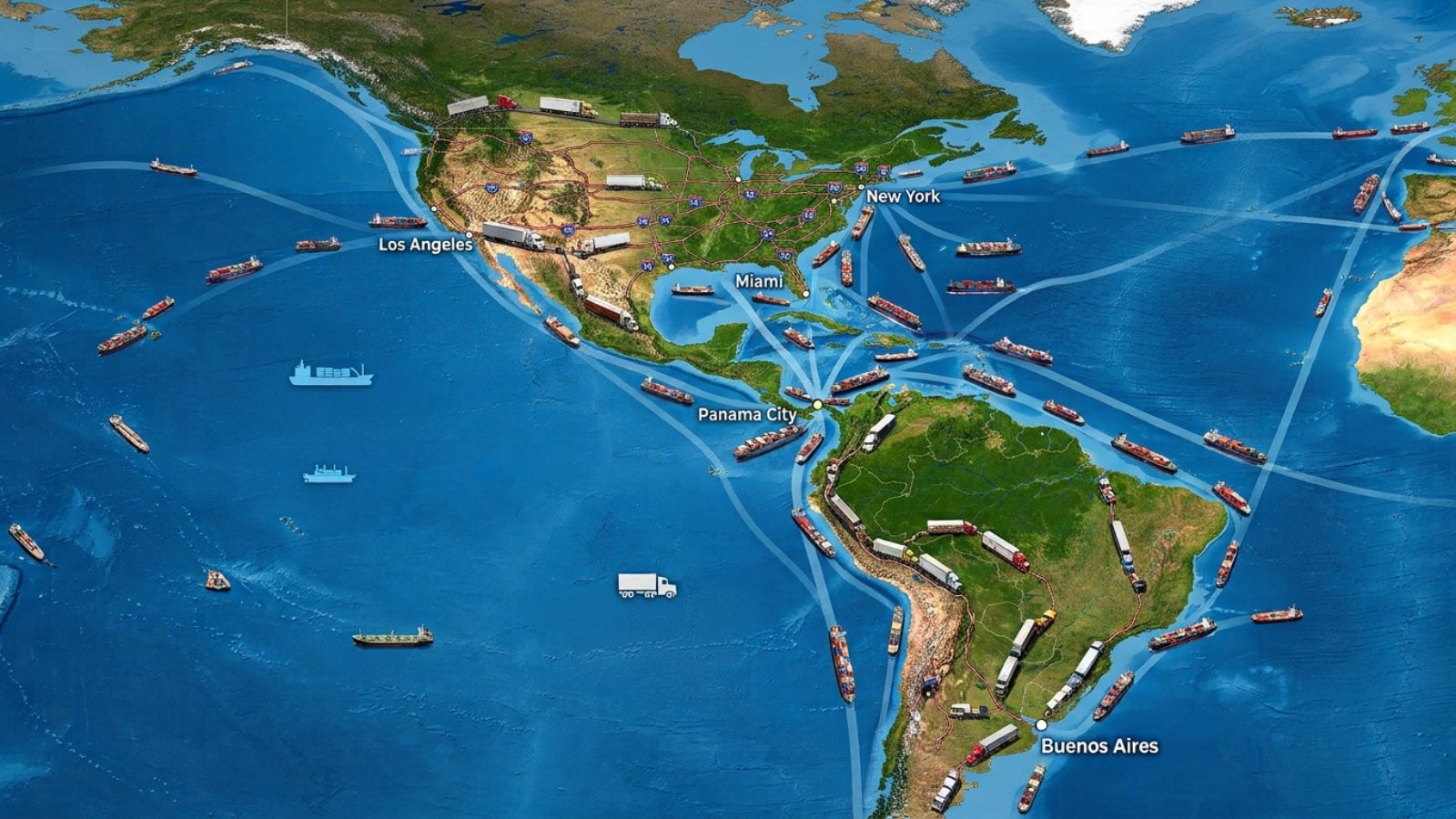
The Top 10 Cities by Manufacturing Output in the Americas
If you're sourcing from the Americas, knowing which cities drive the most manufacturing output helps you target supplier searches, plan factory visits, and assess regional logistics more effectively.

The Best Product Sourcing Agencies in Latin America
Latin America is an underutilized sourcing region for U.S. importers. Here's how to find and evaluate the best sourcing agencies across Mexico, Colombia, Brazil, and beyond.
The Top 5 Machinery Manufacturing Hubs in Mexico
Mexico has emerged as a serious nearshore option for U.S. buyers sourcing industrial machinery and equipment. Here are the five cities and regions where manufacturing capacity is most concentrated.
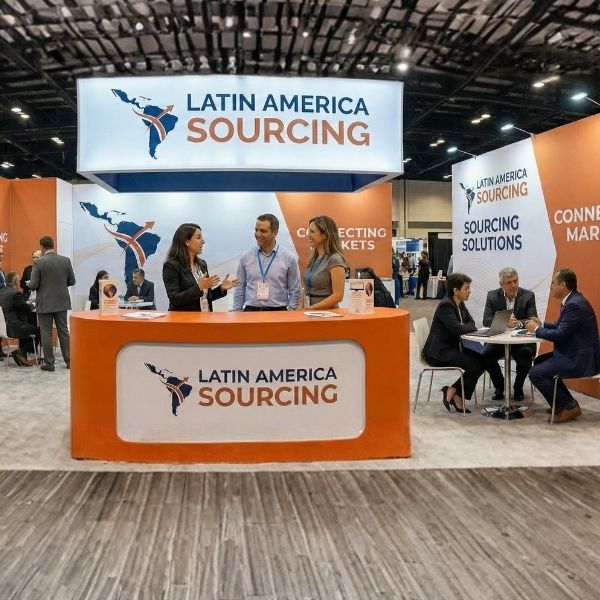
The 5 Best Apparel Trade Shows in Latin America for B2B Buyers
If you're sourcing apparel from or within Latin America, these five trade shows offer the most direct access to manufacturers, fabric suppliers, and regional distributors worth adding to your calendar.

A 5 Step Guide to Find, Filter, and Connect with Suppliers in Mexico
Learn how to find, evaluate, and connect with Mexican suppliers in 5 steps. Complete guide for US importers and product sourcing professionals.
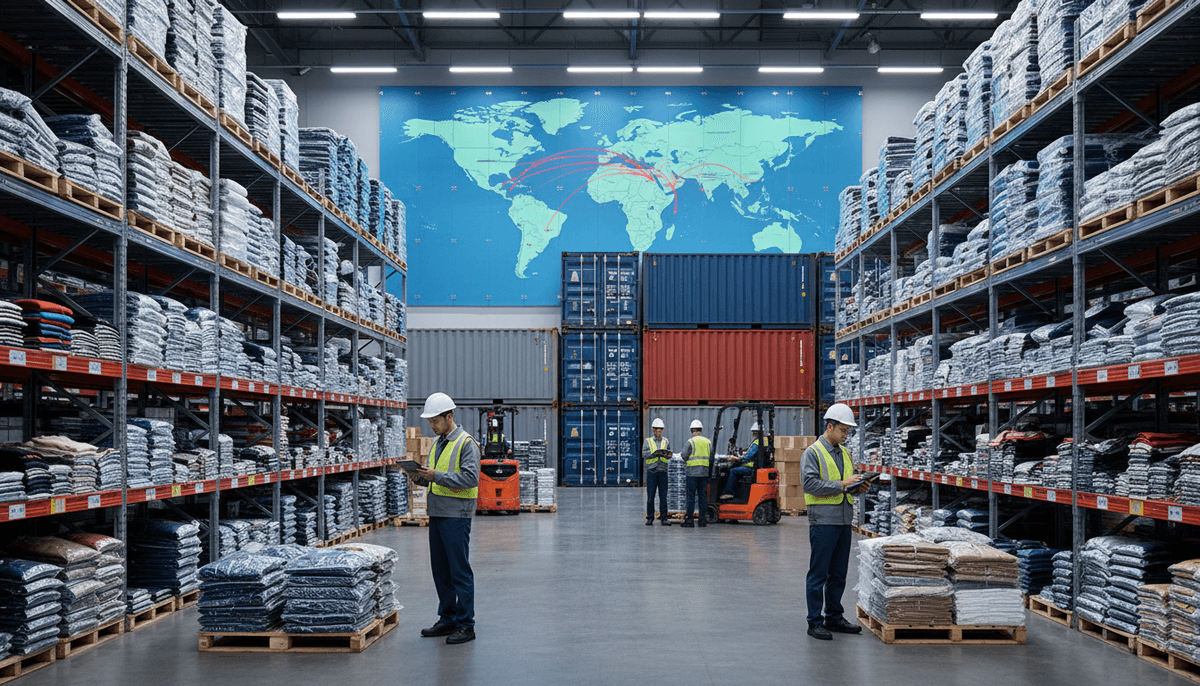
How Apparel Products Are Imported Into the USA Step-by-Step - A Brand Owner's Guide
Complete guide to importing apparel into the USA: tariffs, factory sourcing, customs clearance, compliance, and wholesale pricing strategies for brand owners.

The Two Most Important Prices You Need to Ask from a Supplier: EXW and DDP - Why They Make or Break Your Product
Learn why EXW and DDP pricing terms are critical for product sourcing and US imports. Compare costs, risks, and choose the right incoterm for your wholesale trade strategy.
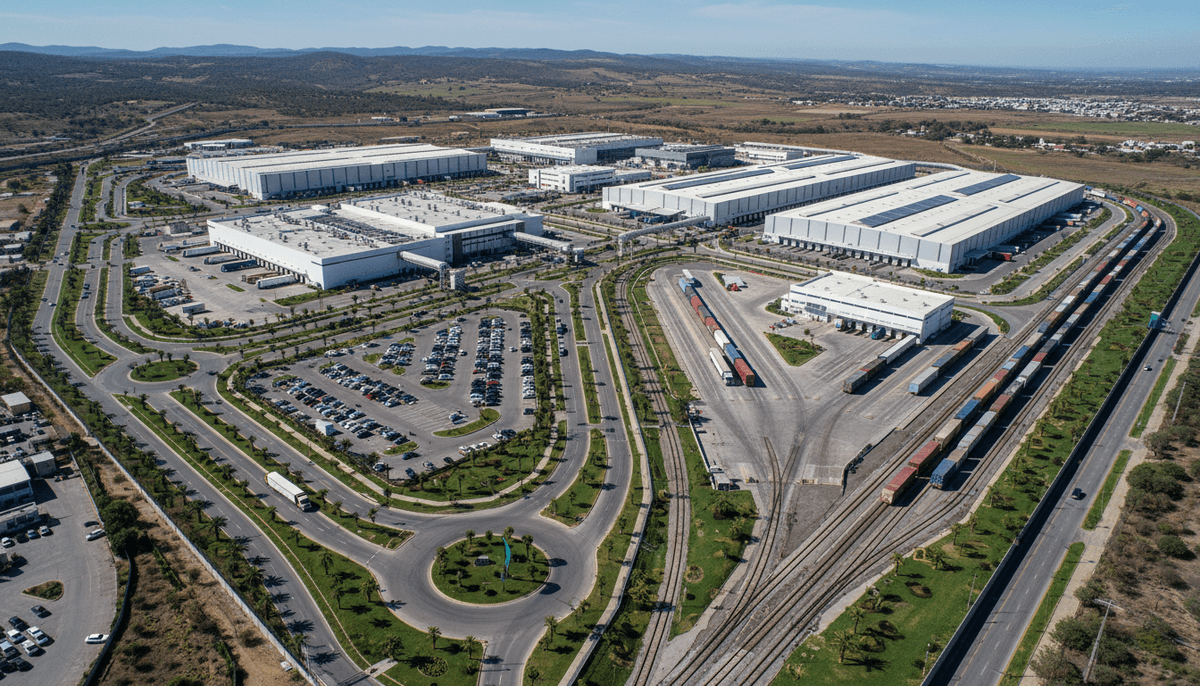
The Top 5 Industrial Clusters in Mexico
Discover Mexico's top 5 industrial clusters for product sourcing, US imports, and factory partnerships. Strategic manufacturing hubs for wholesale trade.

The Best Latin American Trade Shows for Product Sourcing and Wholesale Imports
Discover the best Latin American trade shows for product sourcing, wholesale imports, and factory discovery. Connect with manufacturers and suppliers.
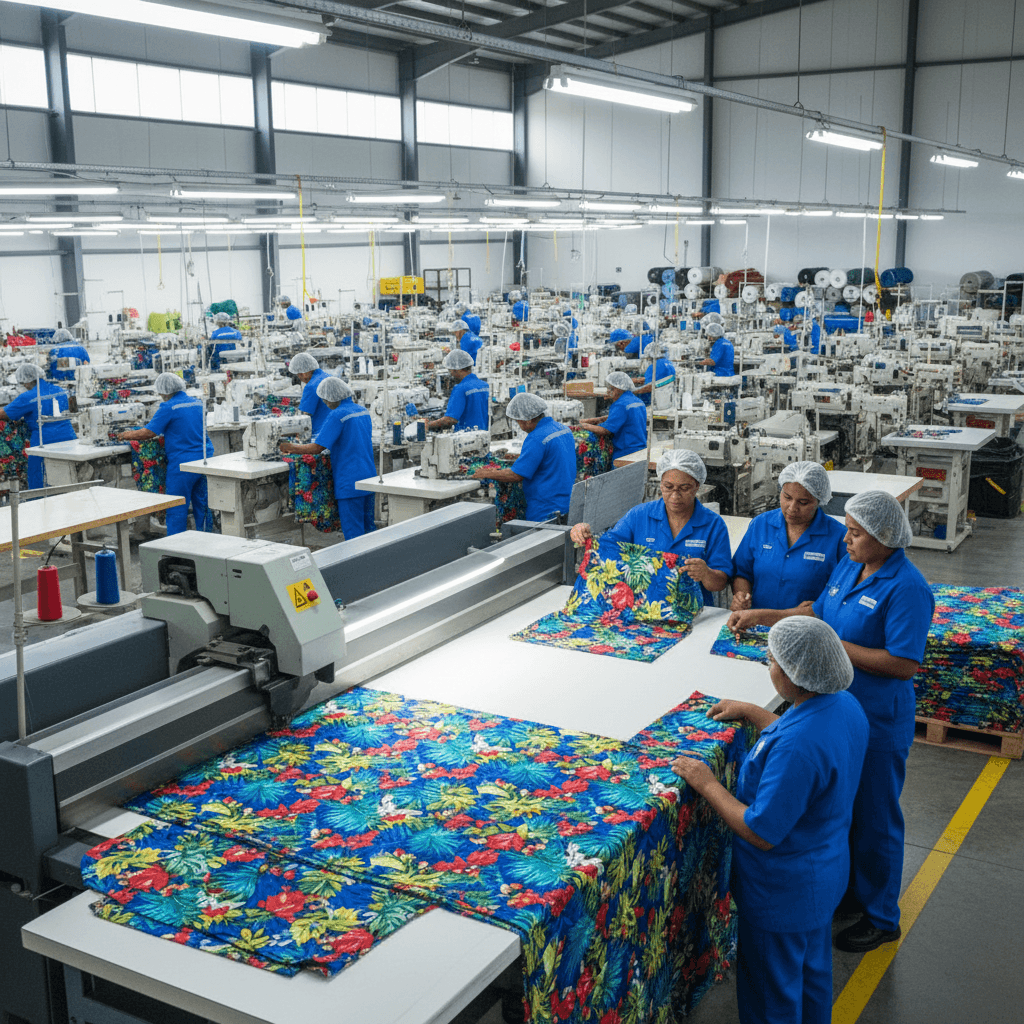
Top 10 Apparel Manufacturing Hubs in Latin America
Discover the top 10 apparel manufacturing hubs in Latin America for wholesale sourcing, factory discovery, and US imports with competitive pricing and quality production.

Navigating Minimum Order Quantities (MOQ) in 2026: How to Scale Production Without Overcommitting Inventory
Learn how to negotiate MOQ requirements with suppliers in 2026. Compare inventory-based vs custom manufacturing suppliers to scale production without overcommitting inventory.
Why Latin America is the Best at Small Brand Apparel
The impact of COVID-19 raised awareness about the environmental consequences that consumption habits have on the…
Top Product Categories to Source from by Latin American Country
Latin America’s GDP is set to grow in 2020 thanks to Latin America’s four biggest economies: Brazil, Mexico, Argentina,…
A Look Into the Producer’s Price Index
You may have heard of the Producer’s Price Index (PPI) as it relates to manufacturing capacity and efficiency. The…
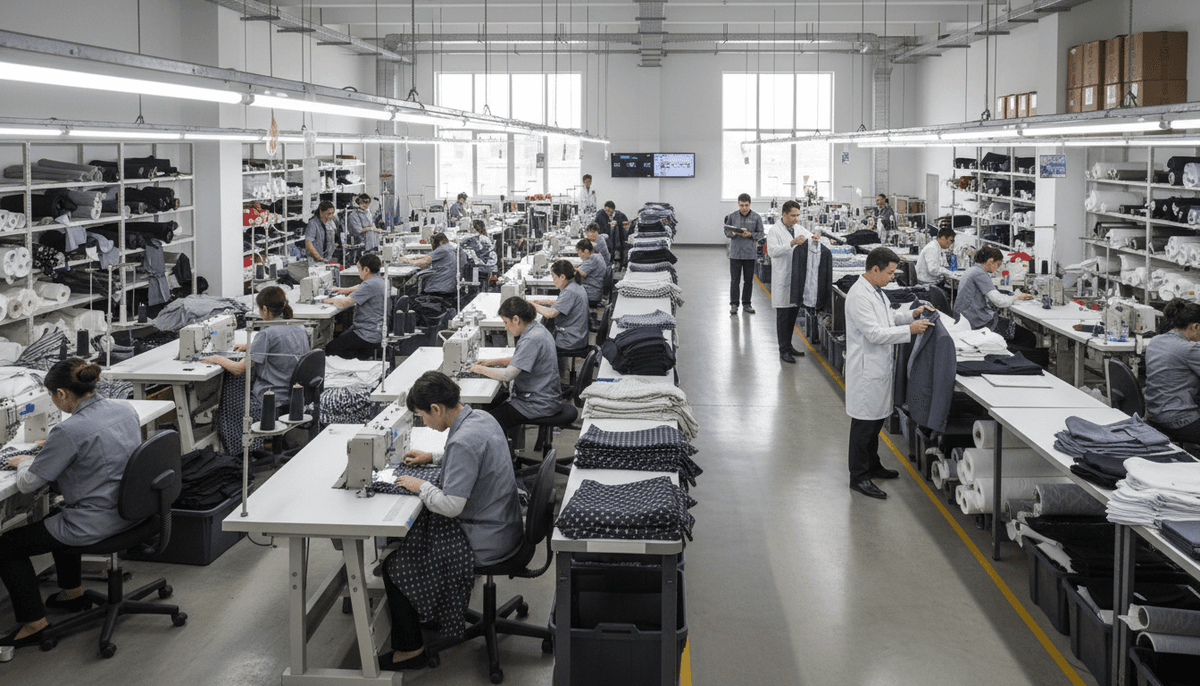
From Sample to Bulk: The Complete Timeline and Cost Breakdown for Apparel Production
Complete guide to apparel production timelines and costs: fabric, trims, labor, QC, and logistics. Learn how nearshoring to Latin America reduces lead times.
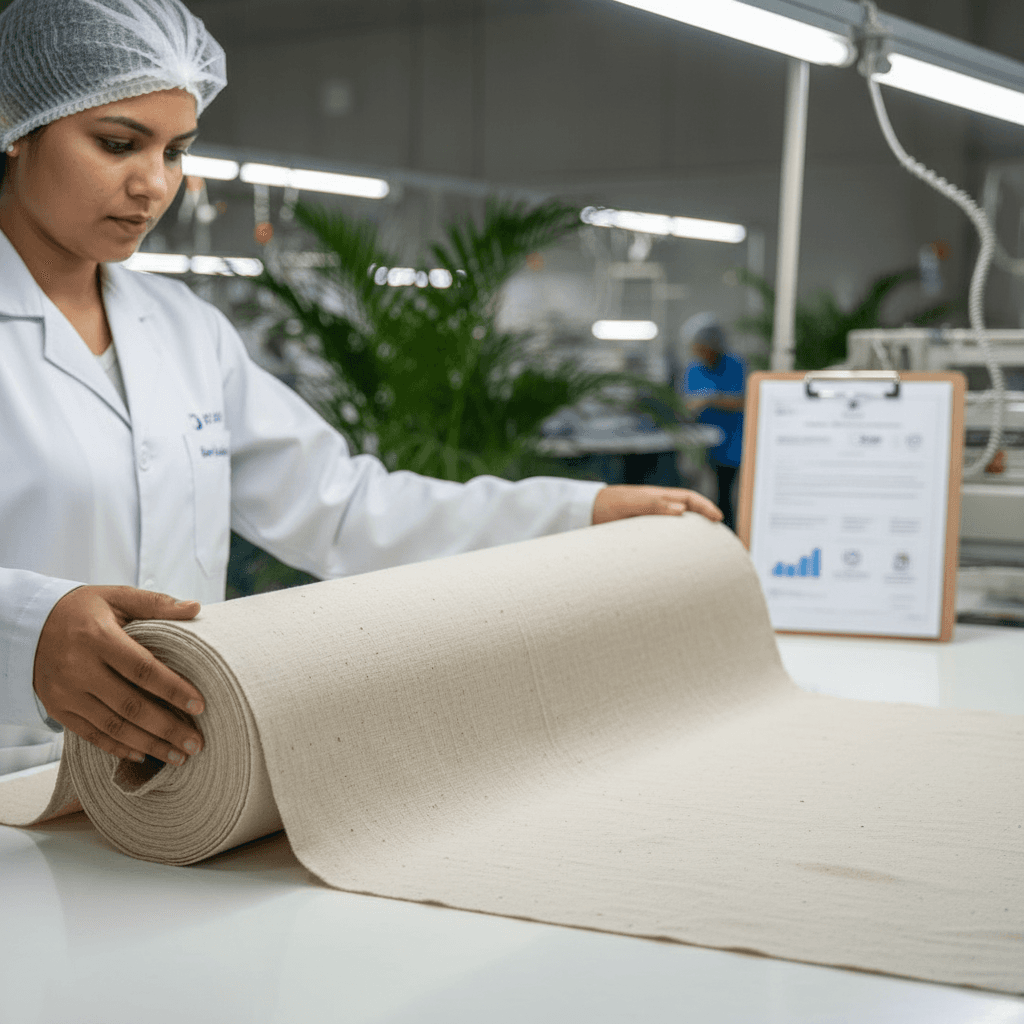
Sustainability Certifications in Apparel Manufacturing: What Brands Actually Need in 2026
Guide to apparel sustainability certifications (GOTS, OEKO-TEX, BSCI, WRAP) for importers sourcing from Latin American manufacturers in 2026.
Where to Source Palm Oil
Palm oil is the most widely produced vegetable oil in the world and continues to grow in its use, replacing other…
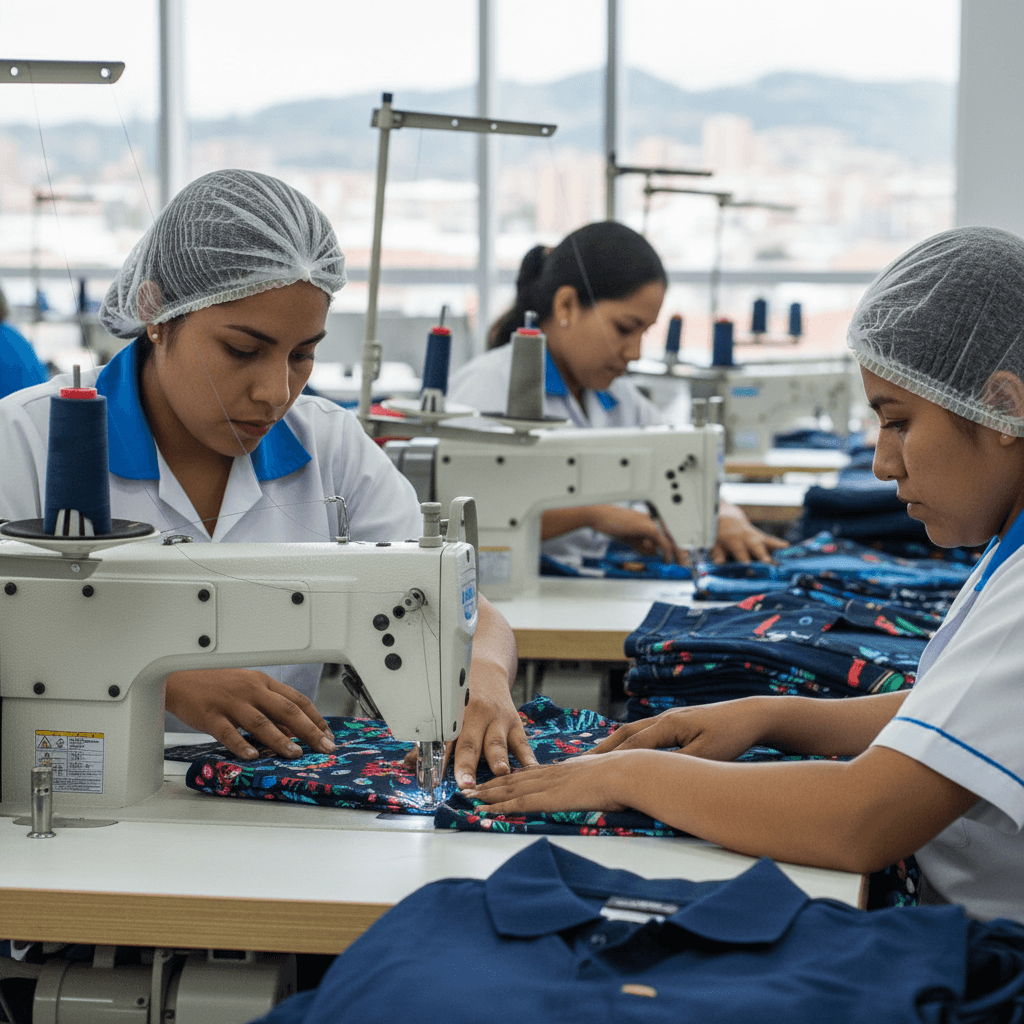
Top 5 Colombian Cities for Apparel Production
Discover Colombia's top 5 apparel manufacturing cities: Medellín, Bogotá, Cali, Barranquilla, and Santa Marta. Expert guide for US importers and wholesale sourcing.

Supplier Selection Checklist: 7 Critical Criteria Beyond Price for Apparel Manufacturers
Evaluate apparel suppliers beyond price using 7 critical criteria: quality systems, ethical certifications, financial stability, compliance, capacity, technical expertise, and partnership approach.

Top 5 Luxury T-Shirts Brands - What Are Their Materials, Finishes, and Fabric Treatments
Explore the top 5 luxury t-shirt brands and their premium materials, advanced fabric treatments, and finishing techniques for wholesale sourcing.

Top 5 Women's Activewear Brands - Lessons That Can Be Learned About Their Product Strategy
Learn product strategy lessons from top women's activewear brands. Insights on sourcing, manufacturing, and wholesale distribution in the activewear market.
Certifications That Matter – ISO, WRAP, OEKO-TEX, and Compliance Requirements for 2026
Essential guide to ISO, WRAP, OEKO-TEX certifications for 2026 sourcing. Verify compliance, avoid fraud, and build compliant supply chains.
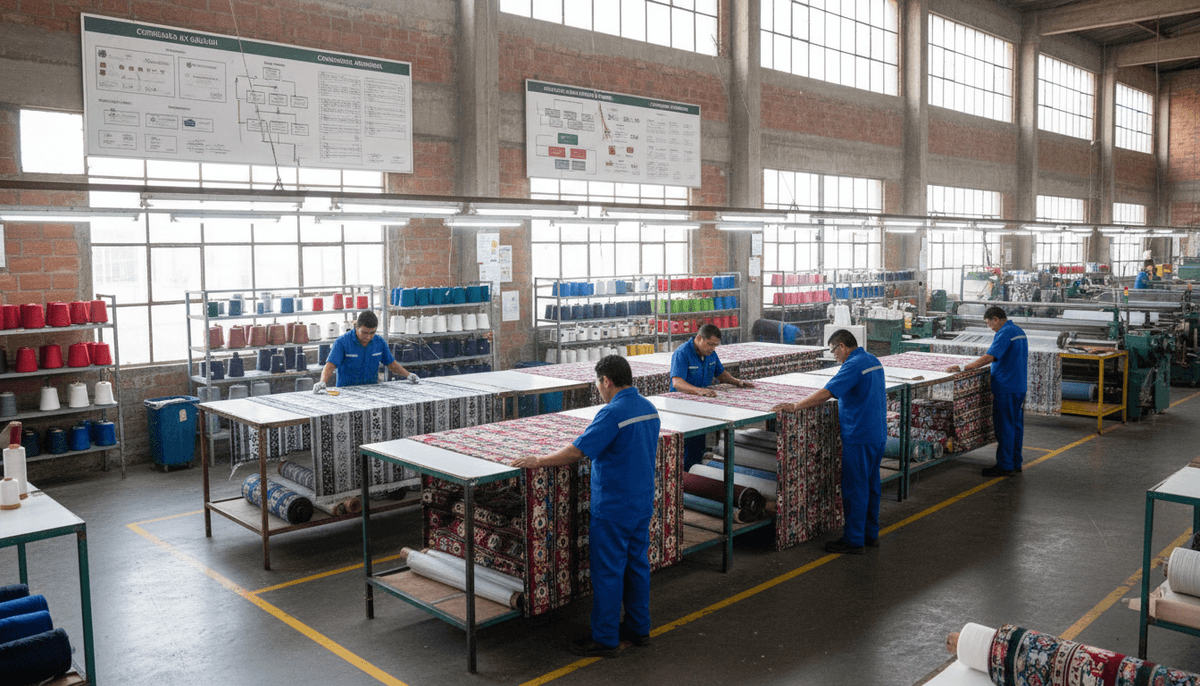
USMCA Tariff Qualification for Apparel: How to Achieve Duty-Free Status from Mexico
Learn how to achieve USMCA duty-free status for apparel imports from Mexico through yarn-forward compliance, bill-of-materials sourcing, and proper documentation.
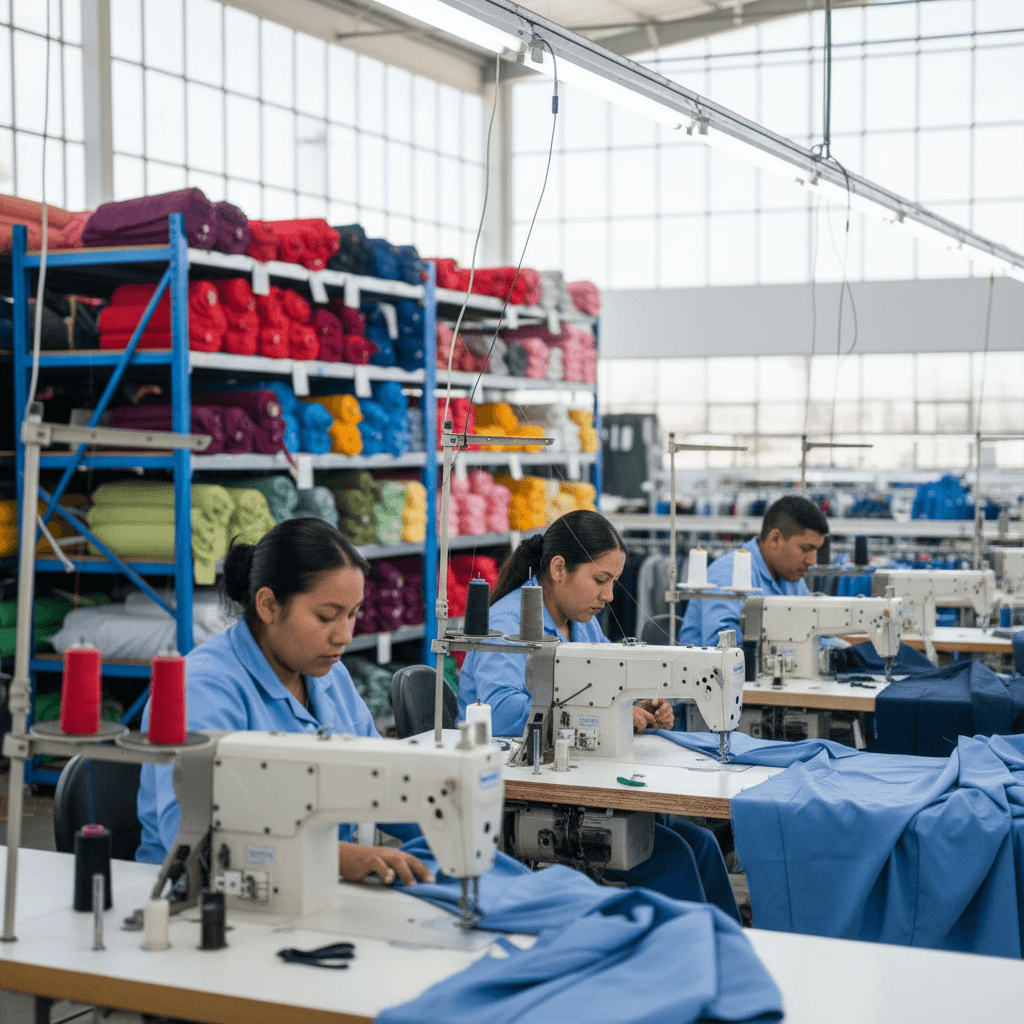
Nearshoring Apparel Production: Why Latin America is Becoming the Strategic Alternative to Asia
56% of executives are nearshoring apparel production to Latin America in 2026. Discover which countries excel in specific product categories and how to transition from Asian suppliers.
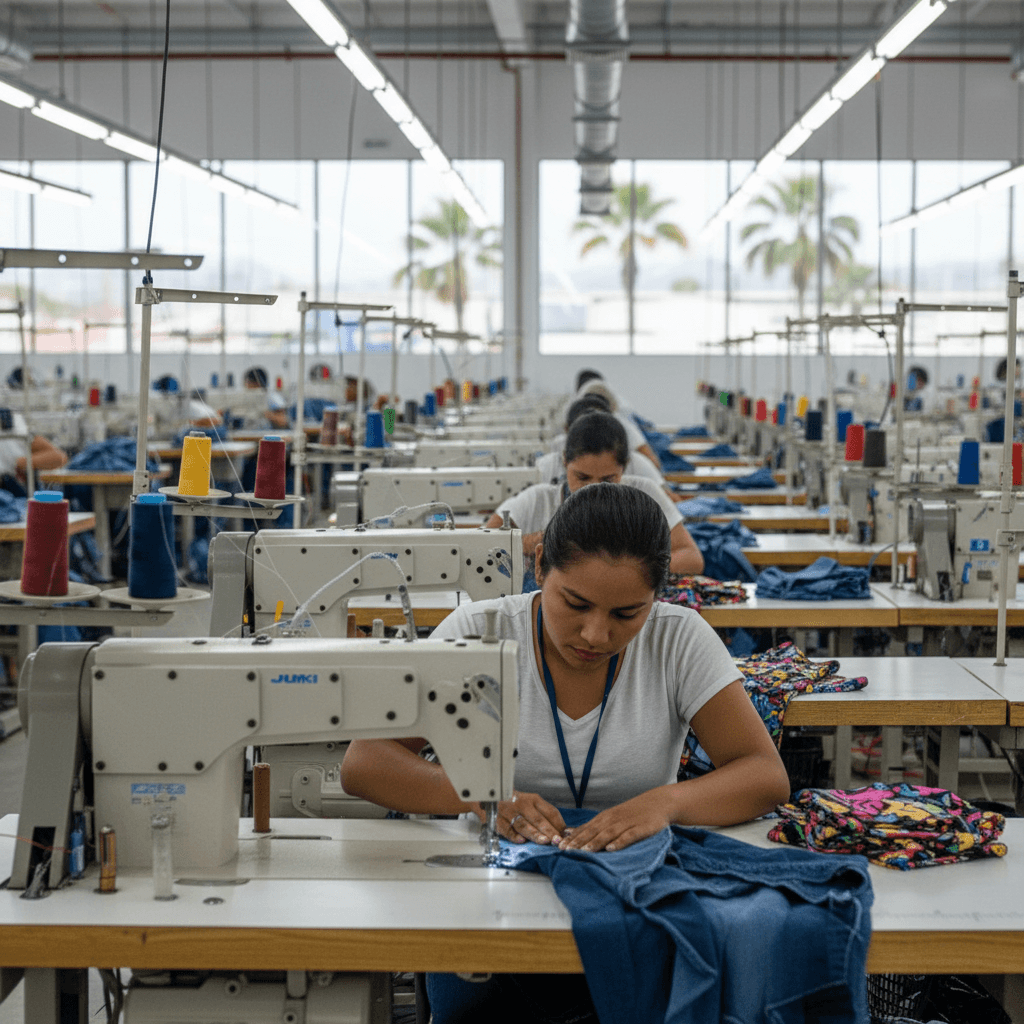
Total Cost of Ownership (TCO) Analysis: Latin America vs. Asia Sourcing
Compare Latin America vs. Asia apparel sourcing with TCO analysis. Explore tariff impacts, lead times, and cost advantages of nearshoring to Mexico and Colombia.
Sourcing 101: The Difference Between Suppliers, Distributors & Manufacturers
In today’s manufacturing landscape, understanding where your materials are coming from, and improving collaboration…
Getting Quoted at Factory (EXW) vs Getting Quoted with Delivery (DDP) for US Apparel Brands
Compare EXW vs DDP pricing for apparel sourcing. Understand costs, risks, and supply chain control when importing from factories to the US.
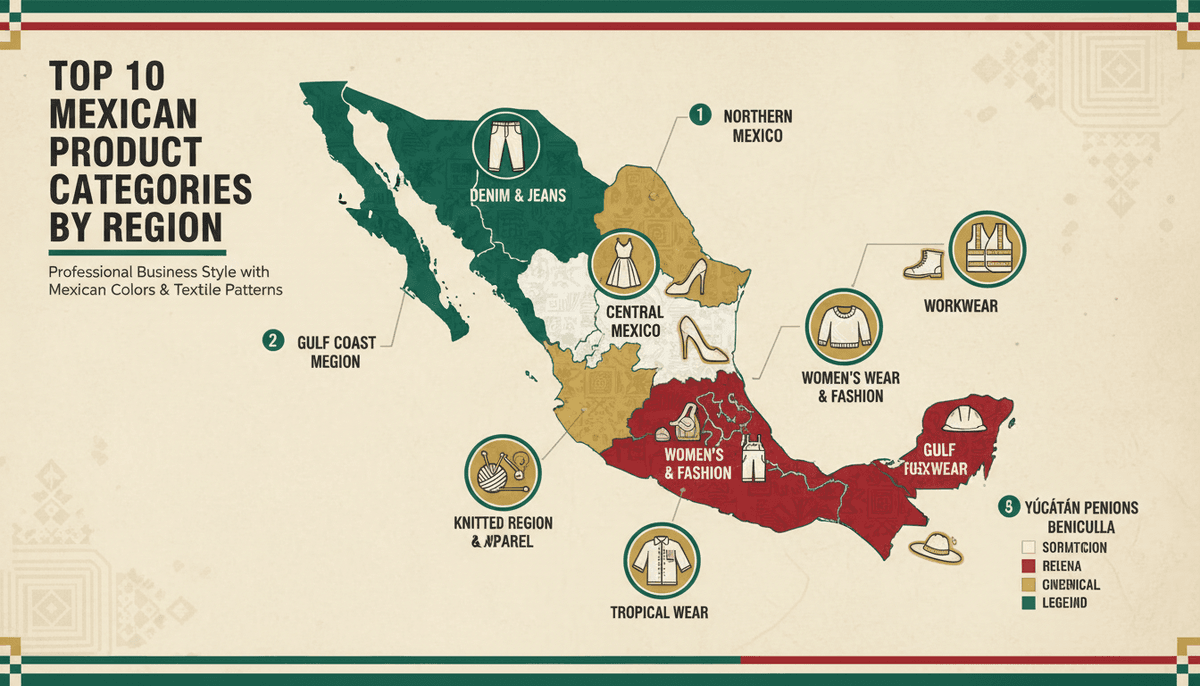
Top 10 Mexican Apparel Product Categories by Region
Discover Mexico's top 10 apparel product categories by region. Learn about denim manufacturing in the north, women's fashion in central Mexico, knitted apparel in Bajío, tropical wear in Yucatán, and more. Essential guide for wholesale apparel sourcing and factory selection.
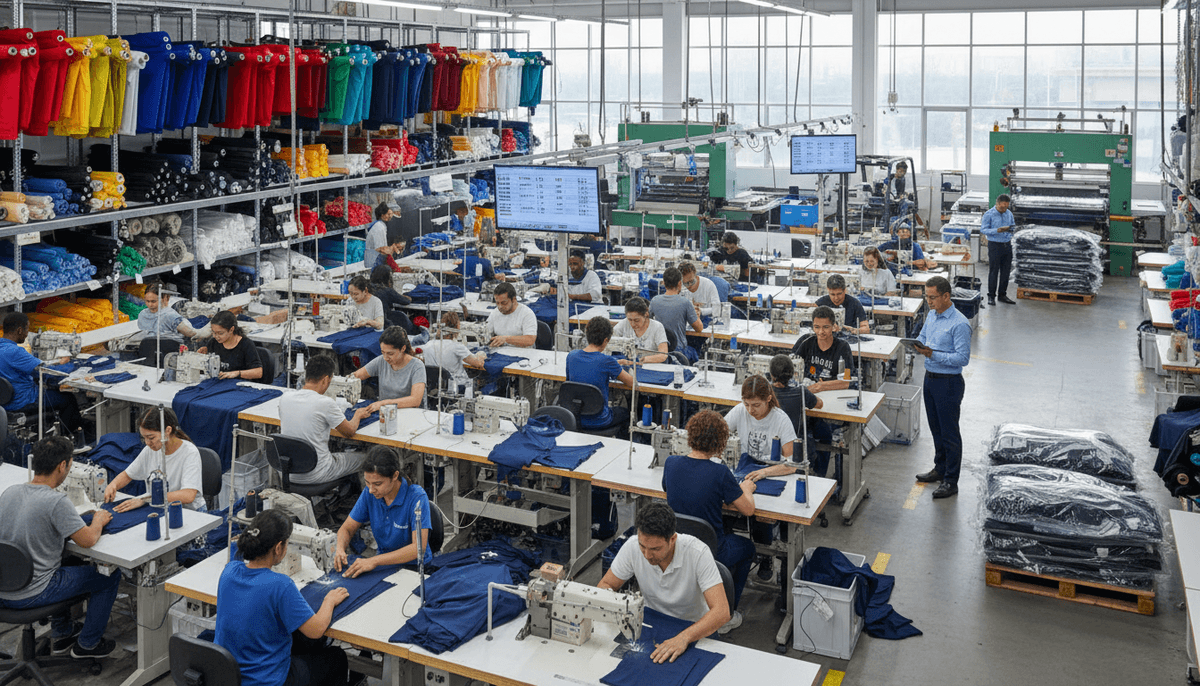
Minimum Order Quantities (MOQ) in Apparel Manufacturing: Negotiating Lower Minimums & Managing Inventory
Learn how to negotiate lower MOQs with apparel manufacturers, find flexible suppliers, and calculate inventory costs to optimize your sourcing strategy.
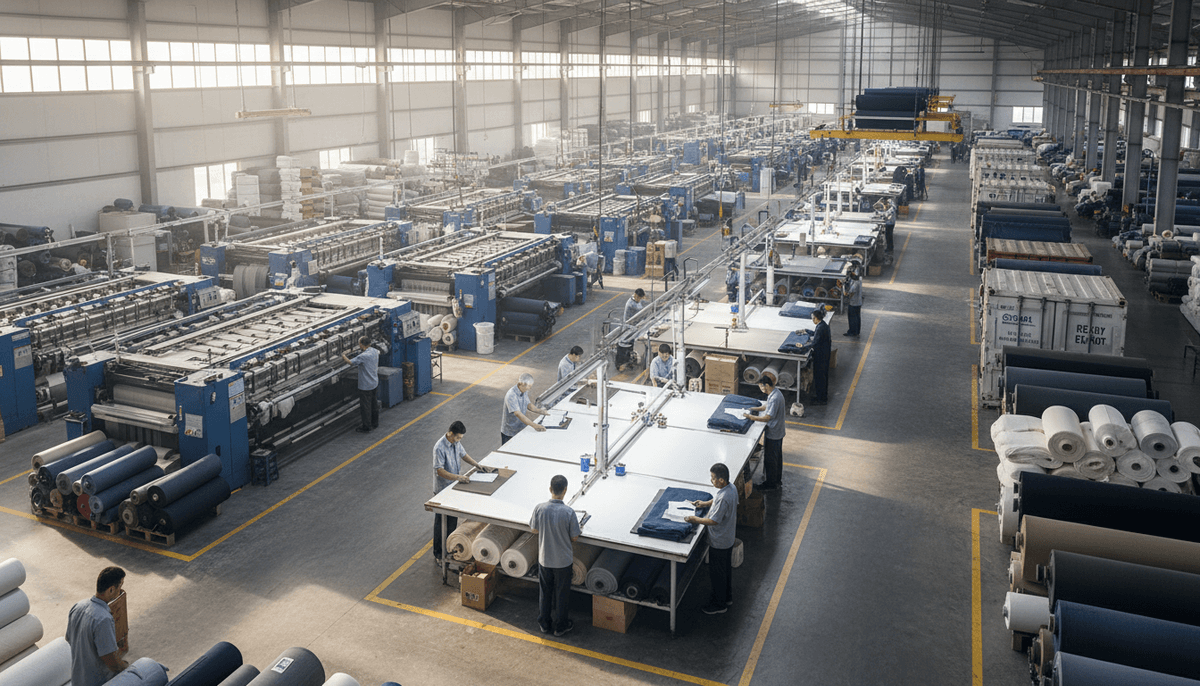
Understanding Lead Times in Textile Manufacturing: From Raw Materials to Customs Clearance
Learn the 6 stages of textile manufacturing lead time: fabric sourcing, sampling, production, inspection, customs clearance. Reduce delays when sourcing from Latin America.

How to Negotiate Lower MOQs Without Sacrificing Quality
Learn proven strategies to negotiate lower MOQs with manufacturers while maintaining quality. Discover how emerging brands can work with flexible suppliers.
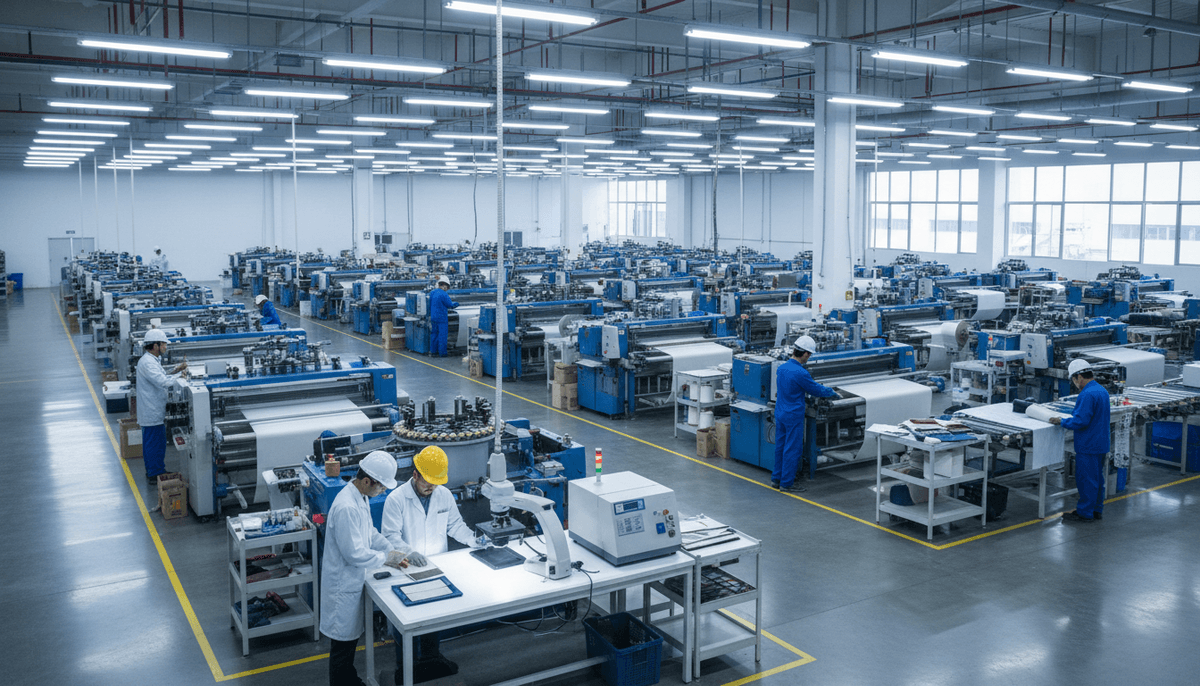
Finding and Vetting Apparel Manufacturers: Beyond Alibaba and Trade Shows
Discover proven strategies for finding and vetting apparel manufacturers beyond Alibaba. Learn red flags, evaluation frameworks, and Latin American sourcing advantages.

Manufacturing Shirts in Latin America: Costs, MOQs, and Lead Times
Guide to manufacturing premium organic fiber shirts in Latin America: Pima cotton, bamboo, alpaca costs, MOQs, lead times, and sourcing strategies.
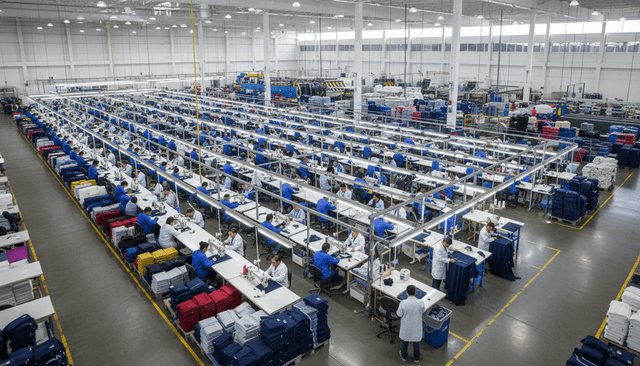
How to Find a Clothing Manufacturer in Mexico: What Brands Need to Know
Complete guide to finding clothing manufacturers in Mexico. Learn sourcing strategies, evaluate factories, negotiate terms, and build lasting partnerships for apparel production.
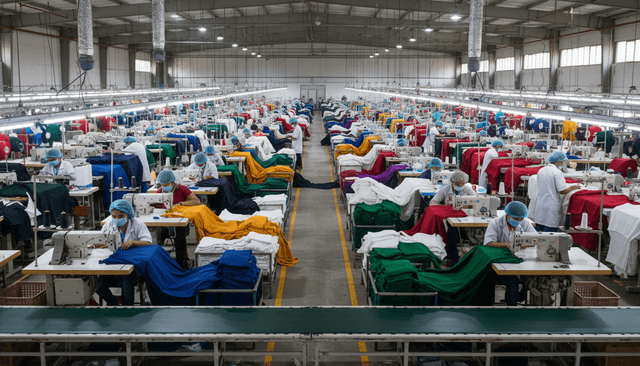
Bangladesh, India & Vietnam Textile Competition in 2026
Bangladesh, India, and Vietnam compete for textile market share in 2026 through trade agreements and tariff strategies, reshaping US apparel sourcing and factory selection.
The Impact of European Conflict on Latam Supply Chains
The invasion of Ukraine by Russia and sanctions imposed on it for doing so and new pandemic-related shutdowns in China…
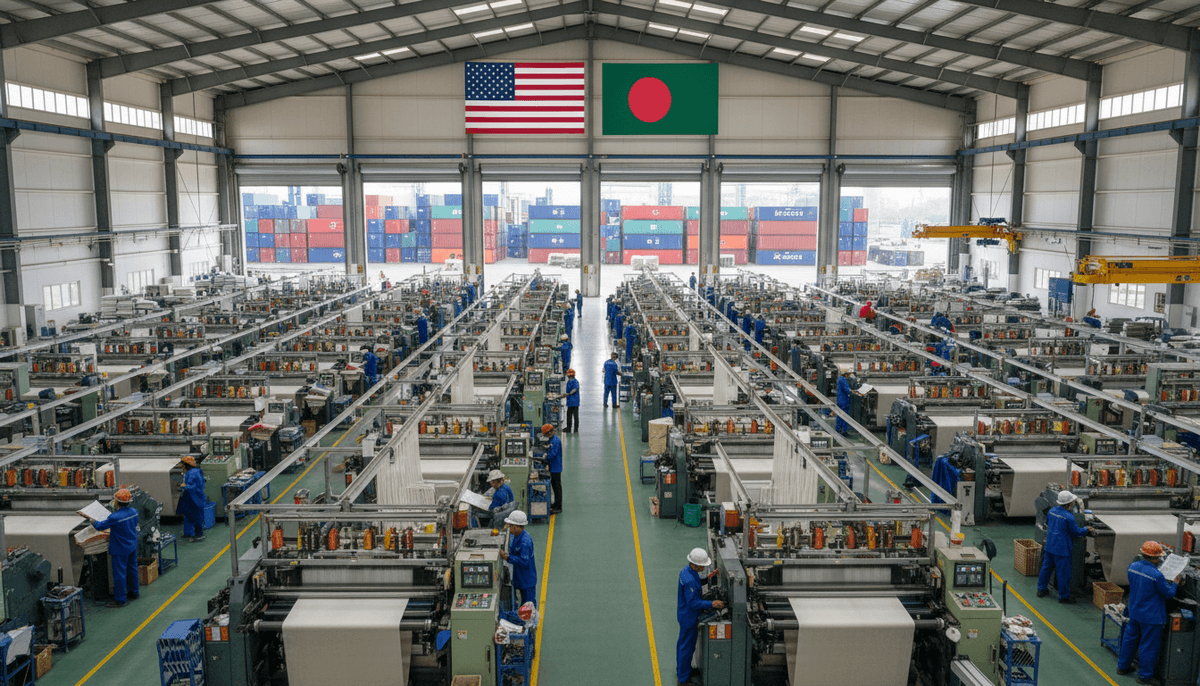
Bangladesh-US Zero-Tariff Textile Deal & Competitive Dynamics
Bangladesh-US zero-tariff textile deal reshapes apparel sourcing with duty-free access for US-input products, while India faces 18% tariffs. Strategic implications for importers.
Why Businesses Are Moving Their Supply Chains from Factory Asia
Global supply chains were being disrupted long before the pandemic began. The ongoing trade war between the U.S. and…
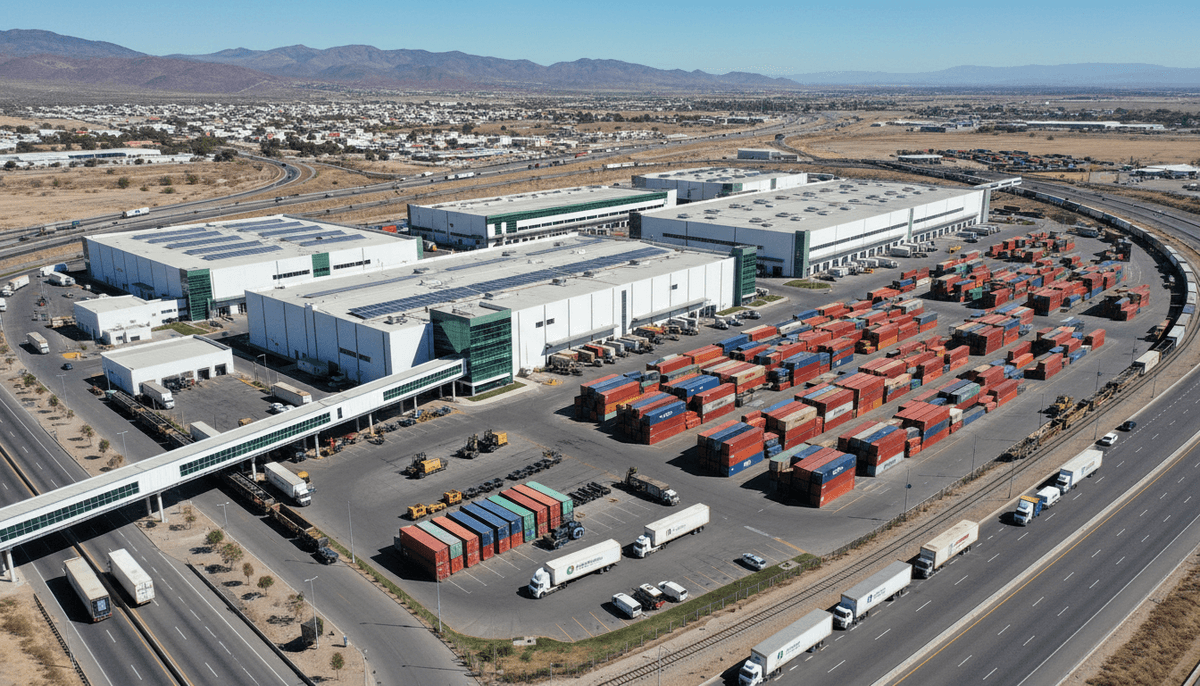
Mexico's Strategic Tariff Wall - Protecting North American Supply Chains
Mexico's 35% tariffs on non-FTA Asian goods reshape nearshoring strategies and US import sourcing ahead of July 2026 USMCA review.
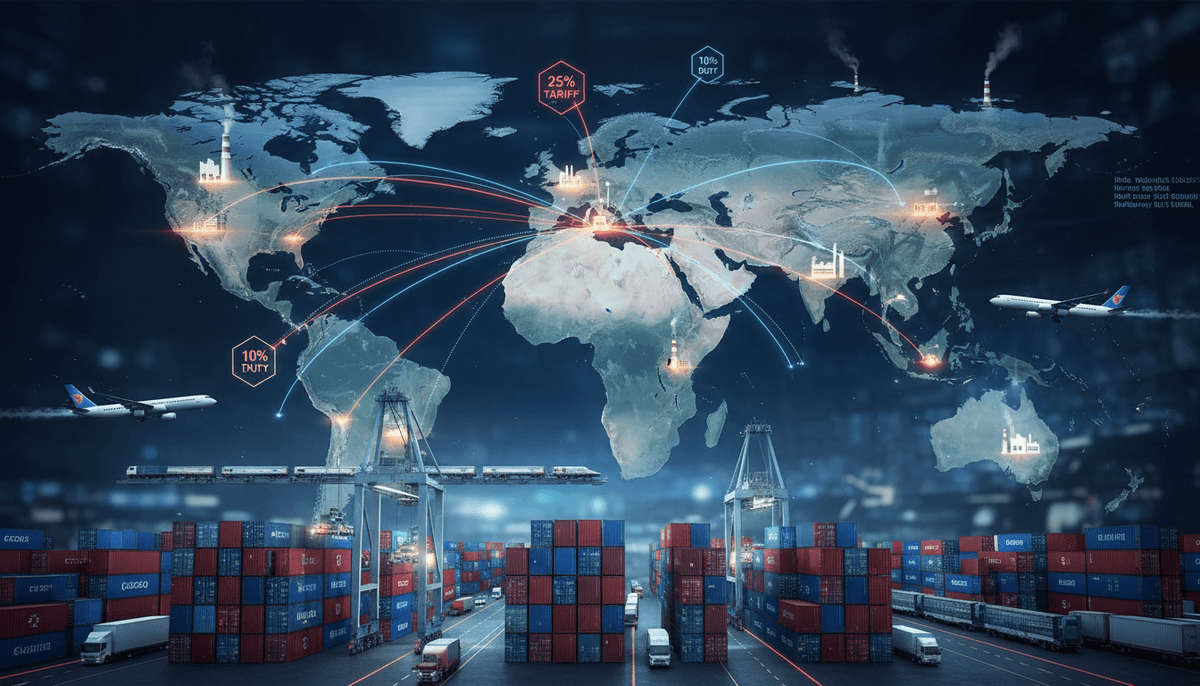
The Tariff-Driven Supply Chain Reorientation of 2026
2026 tariff surge at 26.4% reshapes apparel supply chains. Bangladesh, Vietnam, India divert exports to Europe. EU-India FTA creates winners and losers in global sourcing.
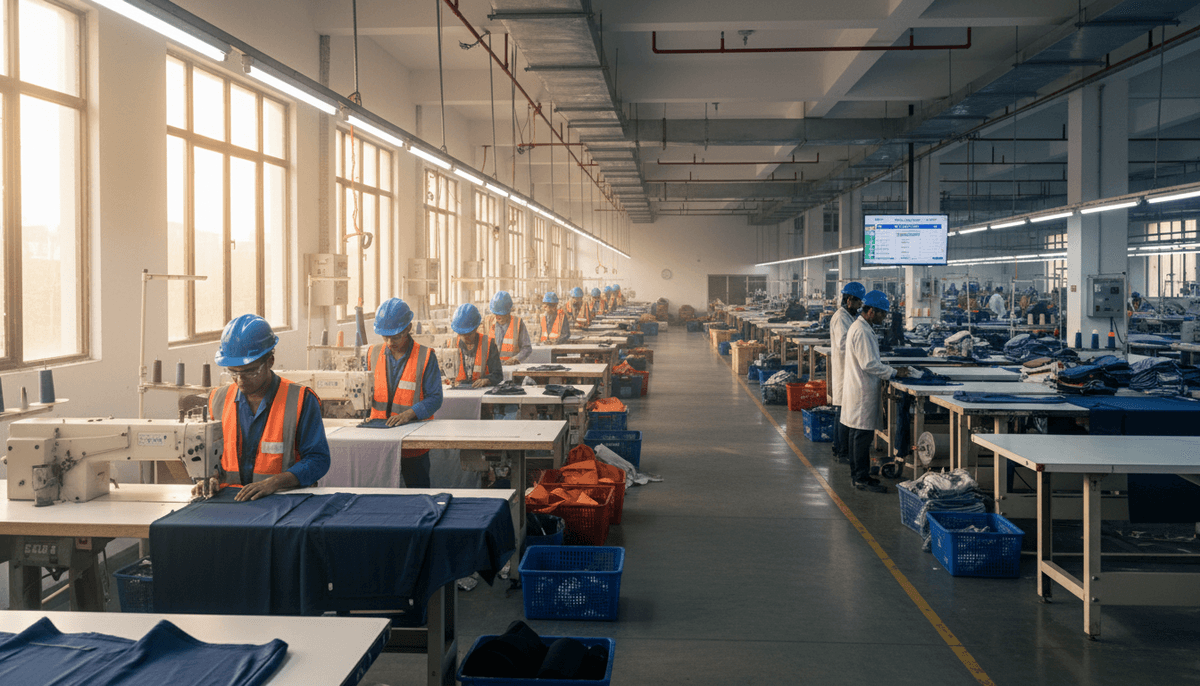
Bangladesh's LDC Graduation Crisis - A Race Against Time as Tariffs Threaten the Garment Industry
Bangladesh's LDC graduation in November 2026 threatens its $18B garment sector as US tariffs climb. Explore trade negotiations, sourcing strategies, and factory adaptation.
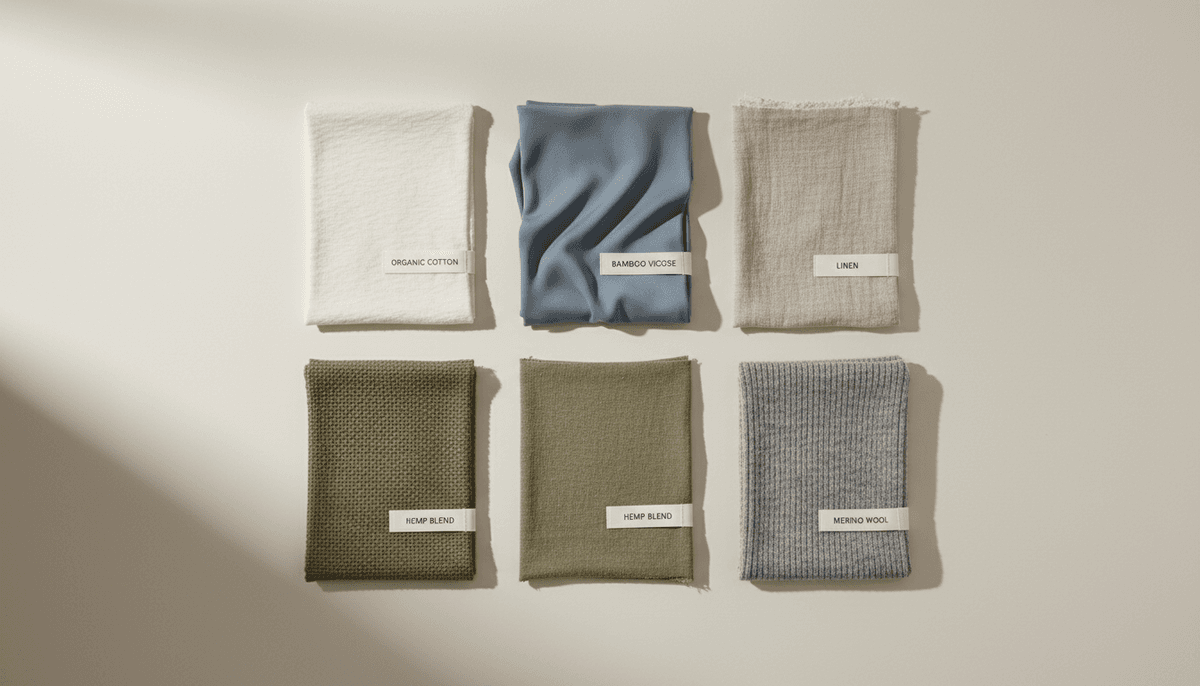
Top 5 Organic Fabrics for Top Quality Sportswear
Discover the top 5 organic fabrics for premium sportswear: cotton, bamboo viscose, linen, hemp, and merino wool. Sourcing guide for US importers.
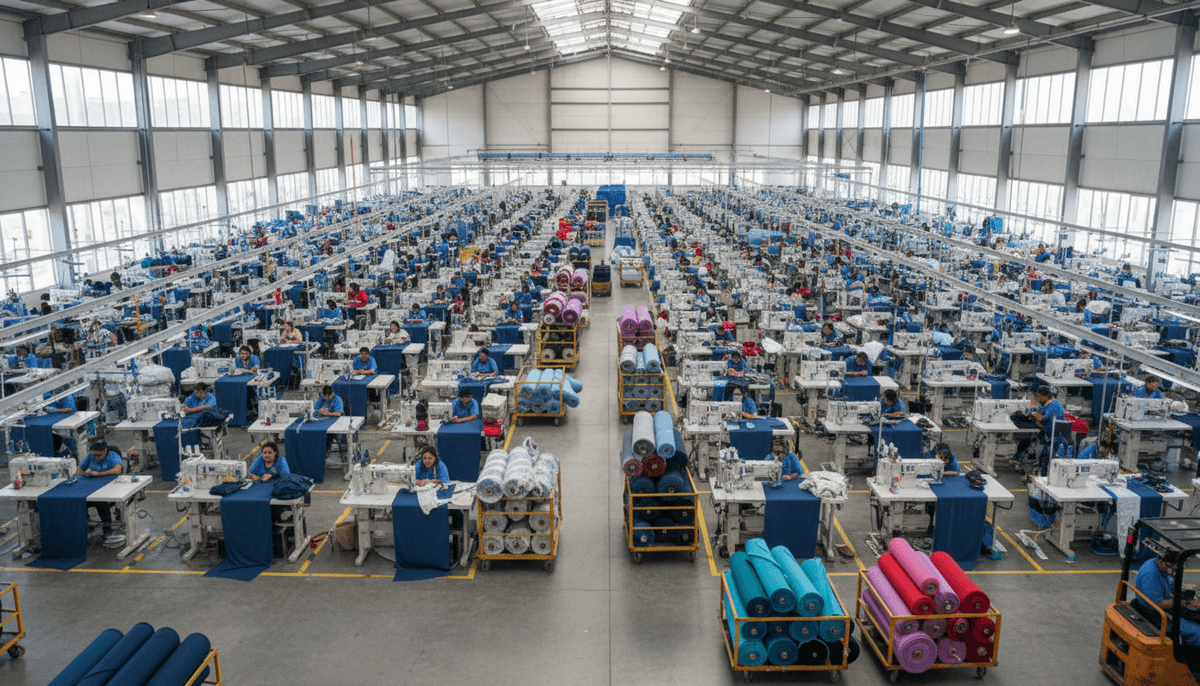
The Tariff Crisis in Apparel & Textiles - 2026 Supply Chain Restructuring
Apparel tariffs doubled to 30.4% in 2025, driving 21% price increases and major sourcing shifts from Asia to Mexico, Central America, and Africa.
Latin America’s Growing Influence in Global Exports Markets
Global trade is critical to fueling the world’s economic growth and raising living standards. Defined as the sum of…
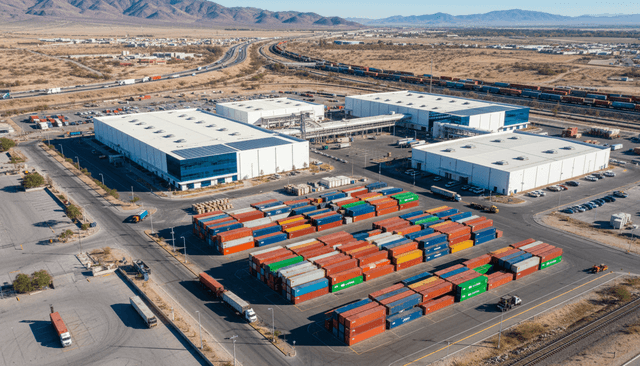
Mexico's January 2026 Tariff Offensive & Its Impact on Regional Trade
Mexico's 50% tariffs on 1,463 non-FTA products reshape sourcing strategies. Nearshoring accelerates as importers recalculate costs ahead of July 2026 USMCA review.

USMCA Review in 2026: Rules of Origin and Nearshoring Viability Under Scrutiny
USMCA 2026 review threatens nearshoring viability. Rules of origin changes could disrupt apparel and textile supply chains. Importers must audit compliance now.

The Post De Minimis Era: Impact of the $800 Exemption Elimination
Analysis of the post de minimis era after the $800 exemption removal and its effects on ecommerce, sourcing, US imports, and practical compliance steps.
Exploring the Benefits of Manufacturing in Latin America
In the last forty years some 4 billion people, who had been living in developing and agrarian-led countries, have…

The Best B2B Marketplaces to Find LATAM Suppliers and Factory Partners.
Discover the top B2B marketplaces buyers use to find factory partners, mexican suppliers, central america suppliers, and sourcing networks. Learn how marketplaces support nearshoring, product development, and product sampling.

Best Latin American Suppliers for Bamboo, Wood, and Metal Kitchen Tools.
A practical sourcing guide for bamboo, wood, and metal kitchen tools. Learn how to evaluate factories, manage product development, run product sampling, and leverage nearshoring, mexican suppliers, and central america suppliers to build a faster, more resilient supply chain.

10 Home Goods Products You Should Be Producing in Latin America Right Now.
Explore 10 must-produce home goods in Latin America to boost your supply chain with nearshore benefits, artisan quality, competitive pricing, and innovation!!!
LATAM + USMCA: The Easiest Way to Cut Costs Without Cheapening Quality.
LATAM sourcing under USMCA decisively slashes costs and boosts quality. Learn proven nearshoring tips for efficient production and resilient supply chains truly!

Top 10 manufacturing hubs in Latin America
Discover Latin America's top 10 manufacturing hubs offering nearshoring benefits, skilled labor, and efficient sourcing strategies for global production right

The 8 Most Promising Nearshoring Hubs in Latin America.
Discover the top 8 nearshoring hubs in Latin America. Leverage proven proximity, lower costs, & high-tech skills to boost supply chain efficiency & innovation!!
México sube 6,3 % sus exportaciones a EE. UU. en primer semestre de 2025.
México aumenta sus exportaciones a EE. UU. 6,3 % en 2025. Oportunidad clara para abastecimiento, fábricas mexicanas y nearshoring frente a Asia.
Colombia: oportunidad más fuerte en textiles, artículos eléctricos y manufacturas frente al nuevo escenario arancelario.
Colombia emerges as an ideal hub for sourcing textiles, electrical goods and manufacturing. Enjoy low costs, skilled labor and strategic nearshoring advantages.

Top 5 Mexican States for Heavy Industrial Production
Discover the top 5 Mexican states for heavy industrial production and why they're ideal for nearshoring and Latin American sourcing.

Top 7 Sourcing Hubs for Swimwear in Latin America: Unlocking Quality and Efficiency in Apparel Sourcing
Explore the top 7 sourcing hubs for swimwear in Latin America, where quality, innovation, and nearshoring benefits drive apparel sourcing success for top win

Top 5 Latin American Countries for Sustainable Home Decor
Discover sustainable home decor from Latin America with a mix of artisanal tradition & modern eco-friendly design - Mexico, Colombia, Brazil, Costa Rica, Chile.
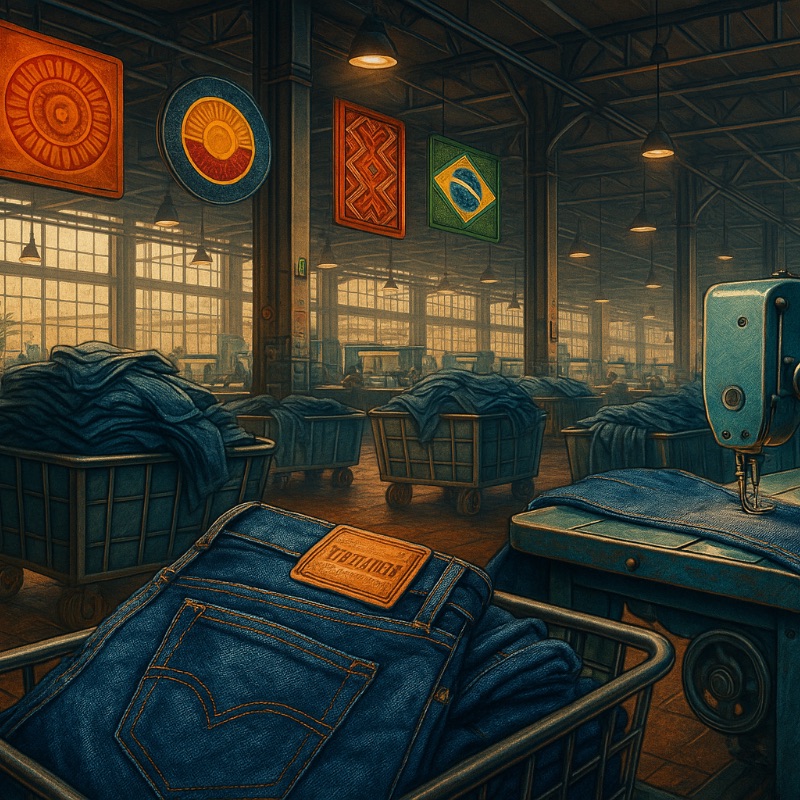
Top 5 Latin American Countries for Premium Denim Production: A Sourcing Expert's Guide
Top 5 Latin American countries for premium denim production offer nearshoring, expert sourcing, mexican & central america suppliers plus elite product sampling.
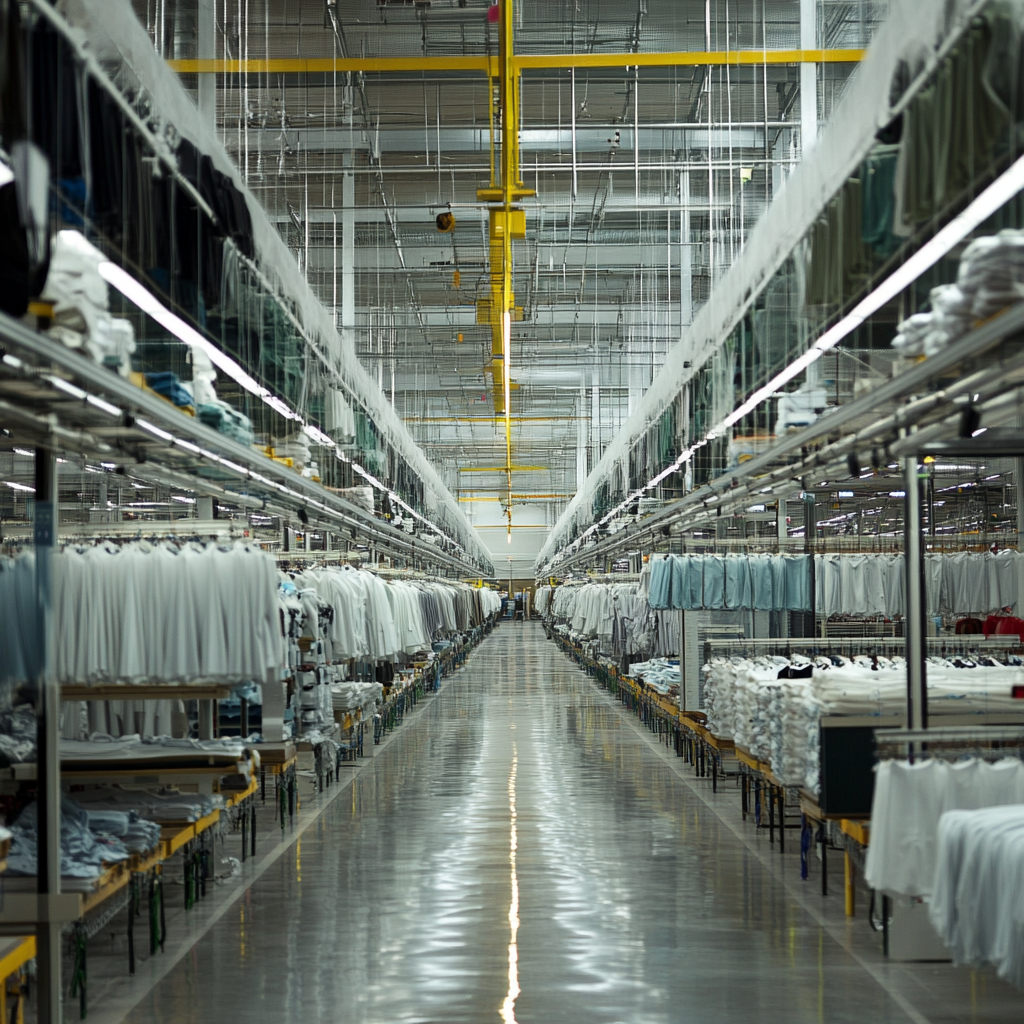
Mexico - The Nearshoring Magnet for Apparel Sourcing
Discover why Mexico is the top nearshoring destination for apparel sourcing—fast shipping, skilled labor, and trade advantages for apparel brands and designers.

Top 5 Apparel Sourcing Websites
Explore top apparel sourcing websites for your brand, from design apparel to accessories sourcing. Discover quick, high-quality solutions from Latin America now.

How Negotiable Are Minimum Order Quantities (MOQs)?
Understanding Minimum Order Quantities (MOQs) Understanding Minimum Order Quantities (MOQs) Minimum order quantities…
Finding New Suppliers: A Simple Guide
Building Reliable Supplier Relationships Building Reliable Supplier Relationships I first learned about the importance…

Article: Ensuring Reliable, Vetted Suppliers Throughout Latin America
Latin America Sourcing Latin America: A Leading Destination for Sourcing As U.S. businesses look to shorten supply…
What is the Best Website to Find Suppliers from Mexico?
Top Websites for Finding Reliable Suppliers in Mexico Top Websites for Finding Reliable Suppliers in Mexico Finding…

Sourcing 101: The Difference Between Private Label & White Label
Private Label vs. White Label Private Label vs. White Label: Understanding the Differences When it comes to selling…
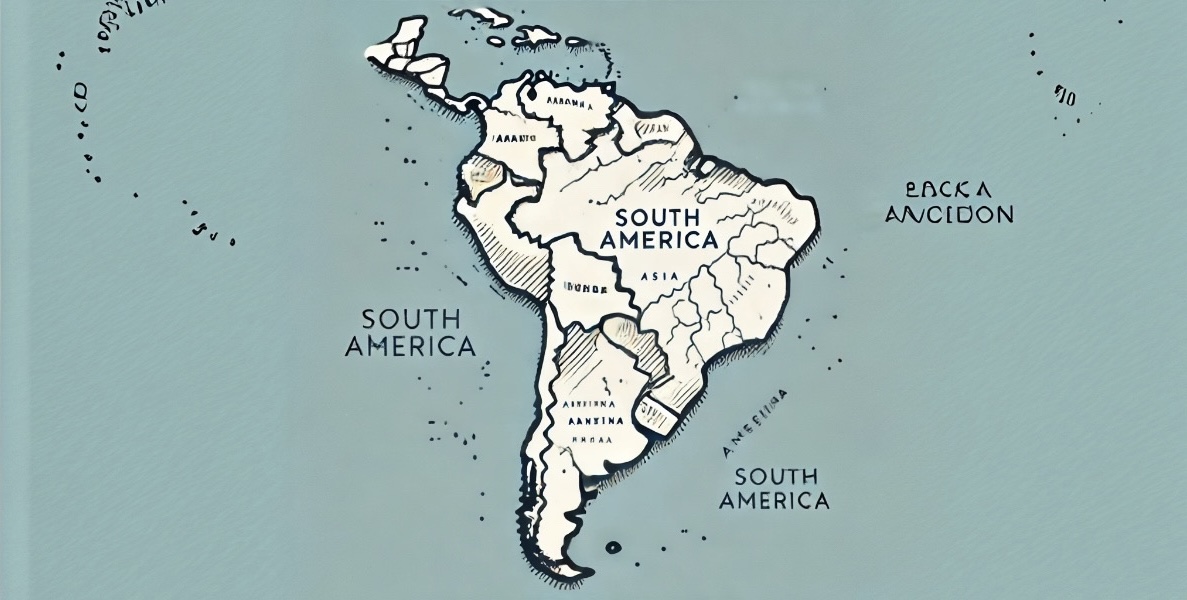
The Benefits of Apparel Production in Latin America
Latin America Sourcing - Textile Manufacturing The COVID-19 Pandemic and the Rise of Latin American Textile…

The Best eCommerce Platforms in 2024
Best eCommerce Platforms in 2024 Best eCommerce Platforms in 2024 Whether it’s buying a physical product or booking a…
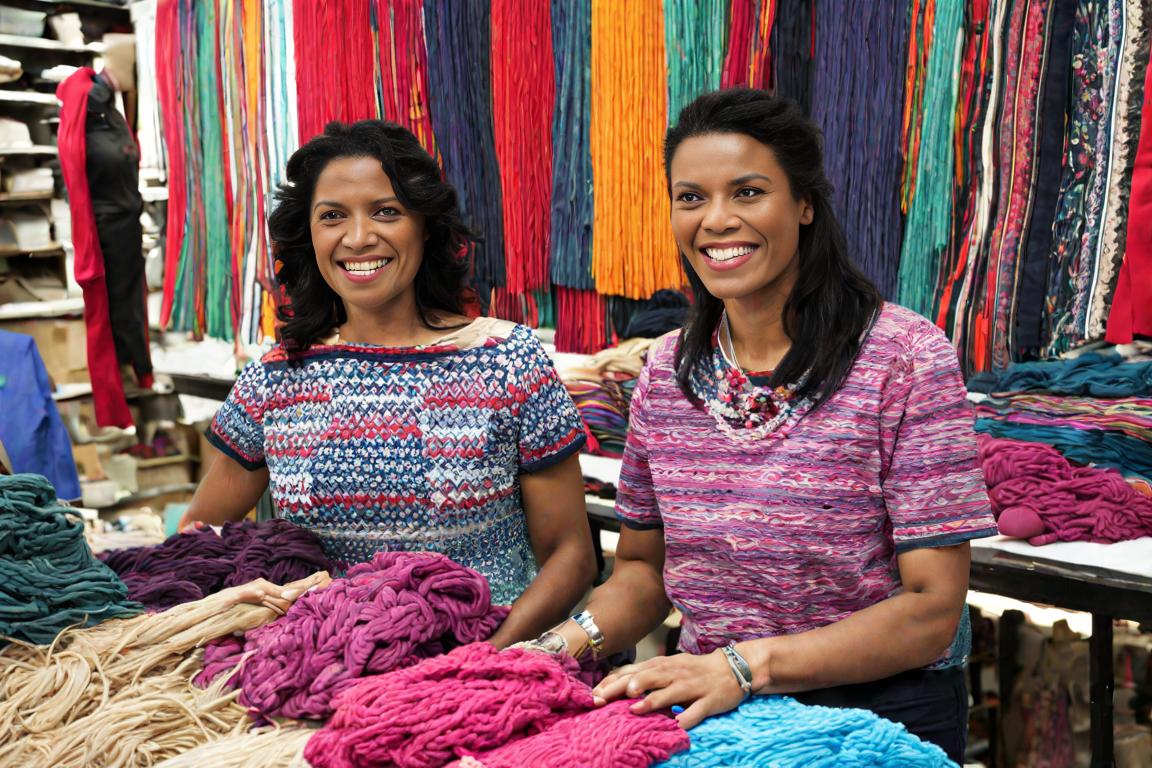
Apparel Textiles Made Next Door in Latin America
Latin America is home to some major textile-producing nations, such as Peru, Brazil, and Colombia. Peru is South America’s biggest clothing exporter, and it boasts of unique domestic raw materials, especially alpaca fiber and Tangüis cotton. Brazil, a BRIC country, has enormous growth potential in both its textile supply chains, natural fibers and man-made fibers. Colombia is also expected to witness great opportunities in the textile and fashion market. Meanwhile, the CAFTA-DR countries – Costa Rica, Dominican Republic, El Salvador, Guatemala, Honduras, and Nicaragua – are eagerly competing among themselves and against Haiti for niches in the US market. Buyers’ interest in South America also remains firm. In Colombia, for example, garment shipments grew 50 percent to $900 million in 2021, export lobby ProColombia President Lavia Santoro said during the latest Colombiatex de las Américas textiles fair in Medellín. The two-day event last month drew 270 companies to source a range of textiles, including technical fabrics with antibacterial, solar shielding and impermeable properties, among others. Latin America Apparel Exports Seen Growing at 10% Latin America’s apparel exports are expected to increase sharply this year as U.S. brands boost orders south of the border to help ease supply chain woes. An estimated 10% increase in apparel sales is expected as U.S. buyers continue to engage in near sourcing and seek competitive places such as Mexico, which is only 24 hours away by truck. This phenomenon is also lifting demand for Central American and Colombian garments. For Mexico specifically, shipments could hit $7 billion this year after rising 6 to 8% in 2021. Brisk sales of knitwear, T-shirts, polo shirts, lingerie, underwear and socks are seen fueling those gains. Large & Growing Markets Latin America and the Caribbean are emerging as potential growth markets, driven by the increasing domestic demand, economic growth, and purchasing power. Investment possibilities in Latin American countries, such as Brazil, Mexico, Argentina, Colombia, Venezuela, Chile, Peru, Ecuador, the Dominican Republic, and Uruguay, are abundant. The popularity of the American lifestyle and the strong influence of the United States on the culture and consumption patterns in Latin America wooed fashion names, like Tommy Hilfiger and Nike, to launch their retail operations in Mexico and Brazil. Spanish fashion verticals, like Inditex and Mango, changed the way people in Latin America shopped, pushing the domestic fashion retailers to focus on product quality and offerings. Key Market Trends affecting these growth patterns for Latin America includes the following: 1. Increasing Cotton Production The production of organic cotton has been increasing worldwide, including in Latin America and the Caribbean region. The region registered a significant growth rate of 27% during 2018/19 and accounted for around 0.3% of the global organic cotton production. The region recorded a growth of a total of 666 metric ton (MT) of organic cotton fiber, which has great potential for substantial growth. Cotton production stemmed from the leading Latin American countries during the period where Argentina achieved 10.8 MT, followed by Brazil with 97 MT and Peru with 558 MT. 2. Trade Restrictive Measures in China The US and Canada are imposing trade-restrictive measures on major suppliers in China in response to concerns about forced labor practices in the country. Further, there are increasing civil and governmental pressures to bring manufacturing and its attendant jobs back to or nearer to the US and Canadian markets. 3. Post-Pandemic Need for Diversification A collaborative effort by textile and apparel manufacturers in Mexico, El Salvador, Guatemala, Honduras, Haiti and the Dominican Republic is leading to a resurgence of investment. There are noticeable vulnerabilities in brand and retailer supply chains that are prompting businesses to consider changes. Most companies are reassessing and restructuring their global supply chains. The economic costs to retailers are resulting in physical presence reductions and closures of stores. The reduction of stores means a reduction in inventory. As such, brands are looking at rebalancing their sourcing to ensure they are not “overexposed” in one geographical area; are considering a “hub and spoke” sourcing model to manufacture in geographical proximity to the target market; are looking at vertical manufacturing locations either as an individual country or as a close geographical region of countries; are looking at sustainable production to meet growing consumer demands; and are looking at nearshoring suppliers as it helps to meet several of the sourcing restructuring objectives. Conclusion Latin American countries can take advantage of the evolving situation and become a post-pandemic manufacturing destination if they engage in a collaborative public/private sector effort that includes continued steps to: ● Demonstrate flexibility and quick response to market circumstances ● Maintain versatility in production and supply chains for e-commerce and drop shipment supplies ● Develop verticality in supply chains for yarns, fabrics, and apparel by working as a regional coordinated supplier ● Capitalize on their proximity to, and free trade agreements with, the US and Canada ● Provide complete visibility into their supply chains to demonstrate that no forced labour is used. Other recommendations include accelerated trade lanes for trusted or known traders, cooperative agreements with the US and Canada for pre-approved customs clearance for shipments, regional education and training initiatives, and integration of existing free trade agreement provisions. About Papaya Marketplace Papaya marketplace offers buyers a full service experience in the origination, sourcing and managing of products. The platform was founded on the idea that curation and service are the most important elements in the buyer’s journey. Papaya Marketplace is building technology that addresses the pains of sourcing products internationally at attractive prices.

Top Industries Manufacturing in Colombia
Colombia is among the biggest economies in Latin America and is an upper middle-income economy. Colombia is a country with a growing Gross Domestic Product and increasingly attractive policies for entrepreneurs. Thanks to its privileged geographical position, the variety of its climates and products, as well as the development of a legal, stable and flexible policy, the most welcoming place is the ideal platform for global trade. The country’s large coastline on both the Atlantic and the Pacific oceans, which facilitates trade through the sea and the development of different port areas. Moreover, Colombia is directly connected to five countries in the region, making it a perfect place for bilateral trade development. The country was the 5th largest economy in Latin America in 1990 with of GDP of $1,500 before rising to become the 4th largest in 2015 and the 31st largest in the world. By the year 2015, the GDP per capita had risen to $14,000 and the GDP was $700 billion. The poverty levels had also dropped from highs of 65% in 1990 to 24% by 2015. Industries such as electronics, shipbuilding, tourism, mining, construction, and automobile grew rapidly between the 2000s and 2010s. The country is the 2nd biggest producer of domestically made appliances and electronics outside Mexico. The nation has the fastest growing economy in the western world. The government has in recent years shown a keen interest in exporting the nation’s pop culture through video games, movies, fashion, music, TV shows, and cosmetics to diversify the economy and improve the country’s image on the world stage. Manufacturing Hub of South America Petroleum accounts for about 45% of the nation's exports while manufacturing account for about 12% of the country's exports. The information technology sector is one the fastest growing in the world with developed IT infrastructure such as the longest fiber-optic network in South America. In the last decade, the country experienced a considerable economic boom. The nation has been producing domestic appliances since the 1930s, but it was not until the 1990s when the corporations in the country began exporting the products to neighboring countries. The country is also a hub for foreign appliance manufacturing with companies such as GE, LG, and Whirlpool showing interest in setting plants in the country. The country is currently the third largest producer of appliances after Mexico and Brazil. The country is also a major producer of electronics in South America and provides the second largest market for high tech electronics in South America. The government also launched a national campaign to boost the market share for local companies. Top Manufacturing Industries in Colombia The Colombian manufacturing sector has advantages for investors to seize the opportunities. Among these, Colombia stands out for its access to raw materials at competitive costs and qualified human talent at costs lower than those of the region. Furthermore, Colombia is characterized as a manufacturing export platform for the region. Below is a list of the top manufacturing industries in Colombia. 1. Textile and Fashion Colombia has become the number one flat weave fabric exporter in South America for products such as bras, jeans, and shapewear. The Colombian fashion industry comprises 9.4% of the total industrial GDP and employs around 600,000 people. In 2019, clothing and footwear sales in the country amounted to USD 8 billion and more than 1,200 Colombian companies in this industry exported their garments to over 100 countries. The city of Medellin is the nation’s traditional center of textile production. The Colombian textile industry has acquired greater specialization and recognition in the export of high value-added products. In 2019, over 1,200 companies exported their products to more than 100 countries, which were worth USD10,000 or more. Colombia has a robust business network with over 14,000 companies in the fashion industry, mostly MSMEs, and a qualified, specialized, and internationally renowned workforce. 2. Cosmetics & Personal Care Colombia has a long history producing and exporting cosmetics and personal care products in the region. Colombia offers a consolidated market with high levels of consumption and is considered a regional distribution platform , thus making Colombia an ideal foreign investment destination for the cosmetics and personal care sector. Besides, Colombia’s varied business network and wide range of natural ingredients meet the international market’s needs. Cosmetics and personal care sales in Colombia have shown an outstanding performance in recent years. Colombia has seen USD$3.06 billion in sales in the cosmetics and personal care sector, and forecasts for the next five years show a 2% growth. Per capita consumption of beauty and personal care products in Latin America exceeds the global average, as do consumption rates in other sectors such as fragrances, men’s grooming, deodorants, oral care, hair removal products, and baby and child-specific products. 3. Petrochemicals The availability and competitive prices of the petrochemical industry's raw materials, as well as a qualified workforce, make Colombia an excellent destination to produce and distribute products derived from the petrochemical sector to the rest of the region. The petrochemical industry serves various industries while maintaining a growing demand for materials and a consolidated sales market. Colombia consumes over US 3.744 billion in plastic and rubber resins every year and imports US $2.287 billion worth of products. The size of the plastics market records a compound annual historical growth of 10.1%. Similarly, production grew 8% on average in the last five years. The plastics and rubber sector in Colombia serves diverse industries that show potential for growth in the coming years, such as medical supplies, construction, and the automotive sectors. 4. Packaging Colombia has a mature container and packaging industry which represents USD 840 million in annual sales. As it grows, it boosts other segments such as cosmetics, personal care products, and processed foods. The Latin American market is the second largest for personal care products and cosmetics packaging, and the third largest for household cleaning product packaging. This is one of Colombia’s most competitive sectors, with a regulatory framework developed to facilitate a circular economy, ample supply of raw materials, and wide variety of local stakeholders with whom to form partnerships. Colombia has the raw materials to supply the sector. Base industries in Colombia supply raw materials for the container and packaging sector, including petrochemicals and cellulose for paper production and glass manufacturing. The domestic availability of these materials translates into savings in import costs. From basic raw materials to the final product, There is a vast majority of domestic components in glass production in Colombia. The country’s National Planning Department (DNP) estimates that imported components do not exceed 16% in glass production and 19% in the mirror and fiberglass production chain. 5. Automotive Colombia has a vehicle fleet of 15.3 million units and a business network of assembly plants as well as auto parts and accessory manufacturers which are potentially capable of serving the local market and exporting to regional markets. With a total of 263,320 vehicles and 604,960 motorcycles sold in 2019, Colombia remained the fourth largest vehicle manufacturer and second largest motorcycle manufacturer in Latin America. Colombia has an attractive domestic market with potential to grow the automotive industry. Low motorization in Colombia provides the opportunity for assembly plants to meet a potential demand. In Colombia, there are 81 family and passenger vehicles per 1000 residents, which is well below other countries in the region with less population, such as Chile (204) and Argentina (241). Bogotá, Cundinamarca, Antioquia, the Coffee Region, and Valle del Cauca are some departments in Colombia where auto parts and assembly businesses could grow. In 2019, 7.3 million vehicles were manufactured in Latin America; Colombia remains the fourth largest manufacturer with 127,000 vehicles. As for motorcycles, Colombia is the second largest manufacturer, with an annual average of over 500,000 units. In 2019, Colombia manufactured approximately 650,000 motorcycles (up 10.5% over 2018). In Colombia, there are over 8,000 registered vehicle maintenance and repair businesses and a qualified workforce to meet the needs of local assembly plants. Conclusion The gradual reopening of the market begins to boost the labor force and employment opportunities. Colombians are the key to favorable growth for all sectors, regions and industries. Their skills and attitude towards work, as well as their warmth to build relationships, is one of the biggest reasons to invest in Colombia. For instance, the country’s services for outsourcing and BPO services are well-renowned. Investors have more reasons to invest in Colombia, as it demonstrates why it is the world’s most welcoming place. Not only is it one of the top 3 best countries to do business with in Latin America, but its economic sectors are prepared to show the best of Colombia industrial production. The most welcoming place to do business awaits you with open doors. Discover why Colombia, on our website here. About Papaya Marketplace Papaya Marketplace offers buyers a full service experience in the origination, sourcing and managing of products. The platform was founded on the idea that curation and service are the most important elements in the buyer’s journey. Papaya Marketplace is building technology that addresses the pains of sourcing products internationally at attractive prices.

Shopify vs. Amazon: Which Platform is Best for your Ecommerce Brand
One of the most important decisions you will make when selling your products online is choosing the ecommerce platform that will work best for you. It’s likely that when you are making this decision, you’ll look at Amazon FBA vs Shopify and wonder which you should use, as they are two of the most prominent players around when it comes to ecommerce. Amazon and Shopify have both built vast reputations, with Shopify powering over 800,000 businesses and Amazon receiving 2.5 billion visitors every month! For most entrepreneurs, these amazing stats make it a hard choice, as both platforms are reliable in the world of ecommerce. Shopify and Amazon: The Main Difference Shopify and Amazon are absolute giants of the ecommerce world. But although both services let you put your products in front of a huge audience, they are very different platforms. Shopify is a tool that lets you build your own online store. By contrast, Amazon IS an online store (and a HUGE one at that: last year, US-based Amazon sellers sold 3.8 billion products, which equates to 7,400 per minute!). When you sell on Shopify, it’s the online equivalent of renting a space in which to set up your own shop. But working with Amazon is more like selling your goods in a massive supermarket. With Shopify, you’ll have more work to do to configure things the way you want — and find customers. However, you’ll have total control over everything — you can decide: 1. How your brand is presented 2. What your storefront looks like 3. How you advertise your products 4. How you capture data 5. The way you sell your goods With Amazon, the customer base is already there…but so is the competition. Other Feature Comparisons For those who are in need of a break-into-pieces comparison between Shopify dashboard vs Amazon marketplace features, a more complete breakdown is provided below : 1. Pricing Shopify offers a 14-day free trial and 3 pricing plans: (i) Basic Shopify plan: $29/month (ii) Shopify plan: $79/month (iii) Advanced Shopify plan: $299/month The more expensive your Shopify plan is, the more features it has. It is also notable that you can upgrade or downgrade your plan anytime. Shopify also offers a 10% discount for an annual payment and a 20% discount for biennial payments if you pay upfront. Amazon has two pricing plans: (i) Individual sellers: 99 cents per item sold. This plan only lets you add new products to the Amazon catalog and use Fulfillment by Amazon if you want to. According to Amazon, this plan is suitable for sellers that are testing what they sell. (ii) Professional sellers: $39.99 per month. With this plan, you have access to more advanced tools such as API integration, on-site advertising tools or adding multiple users. Besides paying for Amazon plans, you also need to pay for additional selling fees such as referral fees and fulfillment fees: (i) Referral fees: Amazon charges a referral fee starting from 8% per item sold. It is your product category that determines the referral fee rate. (ii) Fulfillment fees: The cost to ship your orders depends on whether you fulfill your own orders or use Fulfillment by Amazon (FBA). If you fulfill your own orders, Amazon only charges if you ship books, music, video, and DVD products. For the FBA service, Amazon calculates the fee based on the size and weight of your pack. Amazon will also charge you storage fees if you use FBA. (iii) Other fees: In certain cases, additional costs may incur. For example, one type of fee that you might have to pay is high-volume listing fees. When you have a high volume of active, non-media listings that have not sold in 12 months, Amazon will charge a monthly fee of $0.005 per eligible listing to cover cataloging costs. 2. Support The Shopify Support hosted solution provides excellent customer support. Like any other eCommerce platform, you can seek help from Shopify experts and other users on its forum, or find the answers for your solutions in Shopify documents and video tutorials. Shopify Changelog is another source to get the latest updates. In addition, you can get 24/7 live support via email, live chat, and phone on Shopify Help Center. The support team will respond to you within a few minutes. Similar to Shopify, Amazon also has a forum for users to post their queries and get support from other users. This platform also has a Help Center that already has many frequently asked questions and answers. If you want to receive support directly from an Amazon customer support agent, they do provide 24/7 support via email, live chat, and phone. 3. Ease of Use Both Shopify and Amazon are straightforward and easy to use. You don’t need to have coding skills to set up a Shopify store with its drag-and-drop design. At first, you need to register a Shopify account. After that, you can manage and modify layout, colors, text, and so on by dropping media elements anywhere on the page. It also has an intuitive interface with visual cues, so you never feel lost when designing your online store. The back-end dashboard of Shopify is also easy to navigate with everything you need displaying on the left sidebar. With Amazon, all you need to do is follow the set-up stages to register a store. After that, you need to upload your products information which includes product category, SKU, product identifier, offer details (price, shipping option, etc), product details (name, brand, etc), and search terms, and then you are ready to sell. While you are selling, Amazon has tools that make it simple and straightforward. For example, you can use FBA to get rid of taking care of the shipping. 4. Design Shopify vs Amazon both provides you with stunning designs. However, when it comes to design flexibility, Shopify gives you more freedom than Amazon. With Shopify, you can choose the design of your store from 81 different themes, including 10 free and 71 paid ones. You can edit and personalize your theme design to create a unique brand image. Shopify users can easily customize the template directly at the front-end by using the theme editor. The theme editor includes a theme preview and a toolbar that you can use to add and remove content, and to make changes to your settings. Another way to edit your store-front design is by using Liquid – Shopify’s Template Language which interacts with the HTML, CSS, and JavaScript of your theme. Unfortunately, Amazon does not allow you to make that much customization on your store-front. All Amazon pages are laid out in a similar way which is recognizably Amazon’s rather than your own. There are only three templates for the product detail page. You can upload your content and images, but cannot change the design. Additionally, on the homepage, your products appear alongside your competitors’ products. Even though this can be convenient for customers, it is very hard for you to direct customers to your stores. 5. Marketing When selling online, marketing is a must for you to reach your potential customers. Shopify provides you with many marketing tools (like Helium 10). Regarding SEO, Shopify offers a basic set of SEO features for users to optimize the store-level content to ensure higher SERP positions. You can edit meta tags, add alt text to images, create 301 redirects and auto XML sitemap, etc. However, users are not allowed to fully customize their URLs. In addition, Shopify also has many impressive features for blogs such as multiple authors, easy-to-set tags, and customizable SEO parameters. Moreover, you can also do email marketing easily with Shopify Email. Just like any email marketing apps, this tool has ready-made email templates and a report generator. It allows you to send up to 2,500 emails to your customers for free. On the other hand, if you sell on Amazon, your potential customers will go to the Amazon site and search for the products that they want. Therefore, instead of Google SEO, you need to focus on Amazon SEO in order to rank as high up the search result pages that you can. In order to do that, you need to optimize your product information content and search terms. Conclusion To truly answer the question of which platform to use in the battle of Amazon vs Shopify, ask yourself: “What do I want from my business and how do I want to sell my products?” If you want complete flexibility and control and are equipped and motivated to market your products and brand to ensure higher profits, then Shopify is the answer. If you prefer to drive sales through a more ‘ready-made’ platform and are happy to relinquish some control in return for higher fees and some restrictions, then Amazon could be the better option for your business. To truly create the successful business you deserve, consider how much time you have available, how much control you require, what effort you are prepared to put in and ultimately how quickly you want your business to grow unrestricted. About Papaya Marketplace Papaya is the largest marketplace connecting suppliers in Latin America with buyers in North America. Today, we have a network of over 5,000 Latin American suppliers serving a variety of consumer goods and product categories in the United States. Papaya marketplace offers buyers a full service experience in the origination, sourcing and managing of products. The platform was founded on the idea that curation and service are the most important elements in the buyer’s journey. Papaya marketplace is building technology that addresses the pains of sourcing products internationally at attractive prices.
Sourcing 101: Know Your Incoterms
One of the biggest challenges for companies engaging in global trade these past few years is how few organizations have managed to integrate their global trade …
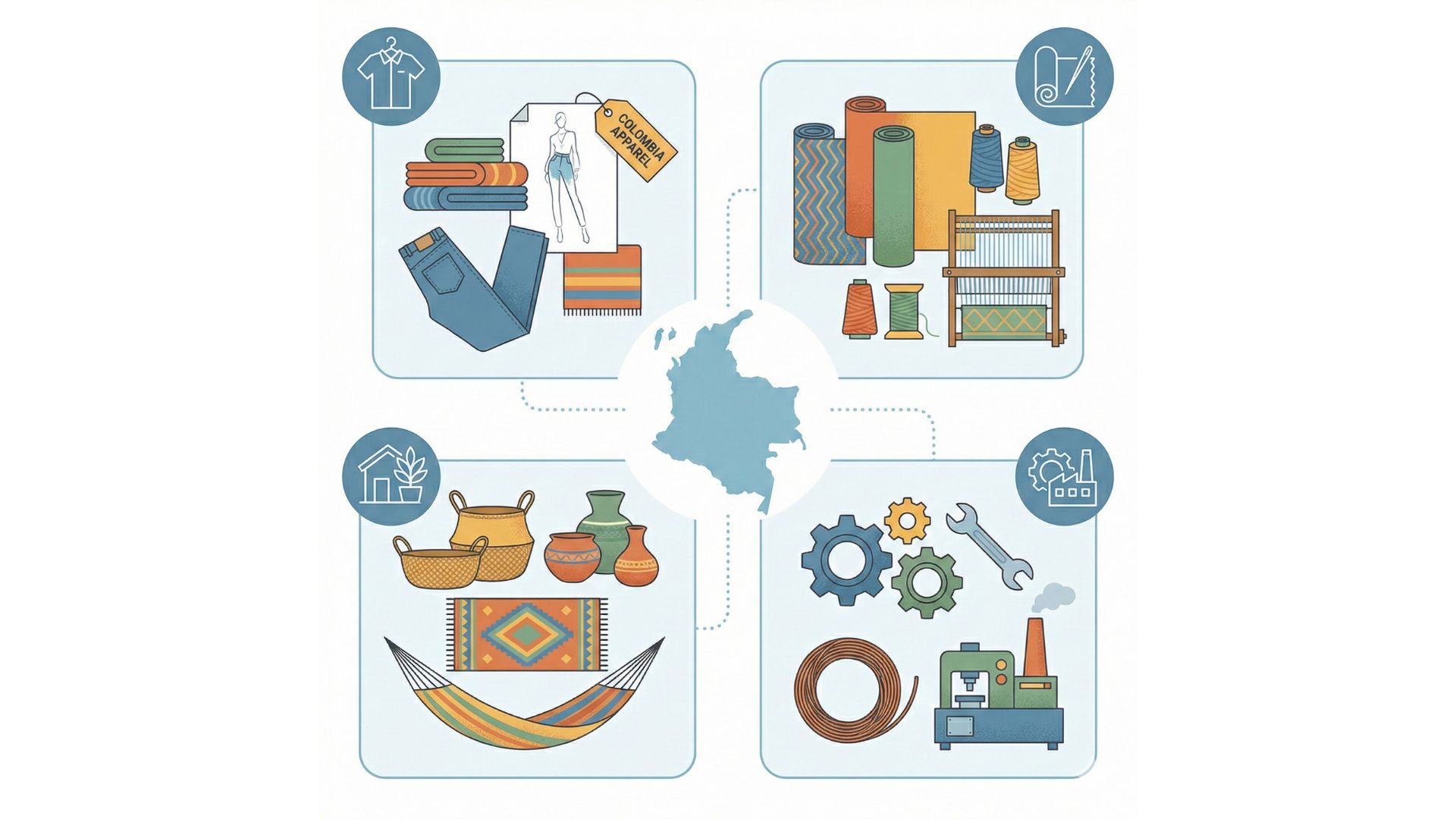
Top Products to Source from Colombia
Explore key U.S.-Colombia trade facts and 2019 statistics. Learn about Colombia's top exports, including oil, coffee, flowers, and emeralds, following the 2012 FTA.

Top Industrial Manufacturing in Colombia
Colombia is among the biggest economies in Latin America and is an upper middle-income economy. Colombia is a country with a growing Gross Domestic Product and …