The Top 5 Industrial Clusters in Mexico
- 1. Monterrey and the Northeast Industrial Corridor
- 2. Guadalajara and the Western Tech Hub
- 3. Mexico City and the Central Manufacturing Zone
- 4. Bajío Region: León, Querétaro, and San Luis Potosí
- 5. Tijuana and the Northern Border Manufacturing Hub
- Key Considerations for Product Sourcing in Mexican Industrial Clusters
Mexico has emerged as a critical hub for global manufacturing and product sourcing, with strategic industrial clusters that attract wholesale buyers, importers, and manufacturers worldwide. Understanding these key regions is essential for US importers and supply chain professionals seeking reliable factory partners and cost-effective production solutions.
1. Monterrey and the Northeast Industrial Corridor
Monterrey, located in Nuevo León, serves as Mexico's premier industrial powerhouse and a gateway for US imports. This cluster specializes in automotive parts, steel manufacturing, and heavy machinery production. The region's proximity to the United States border makes it an ideal sourcing destination for companies looking to reduce lead times and transportation costs. Major factories in this area supply components to Fortune 500 companies, and the concentration of skilled labor and established supply chains makes it attractive for wholesale trade partnerships.
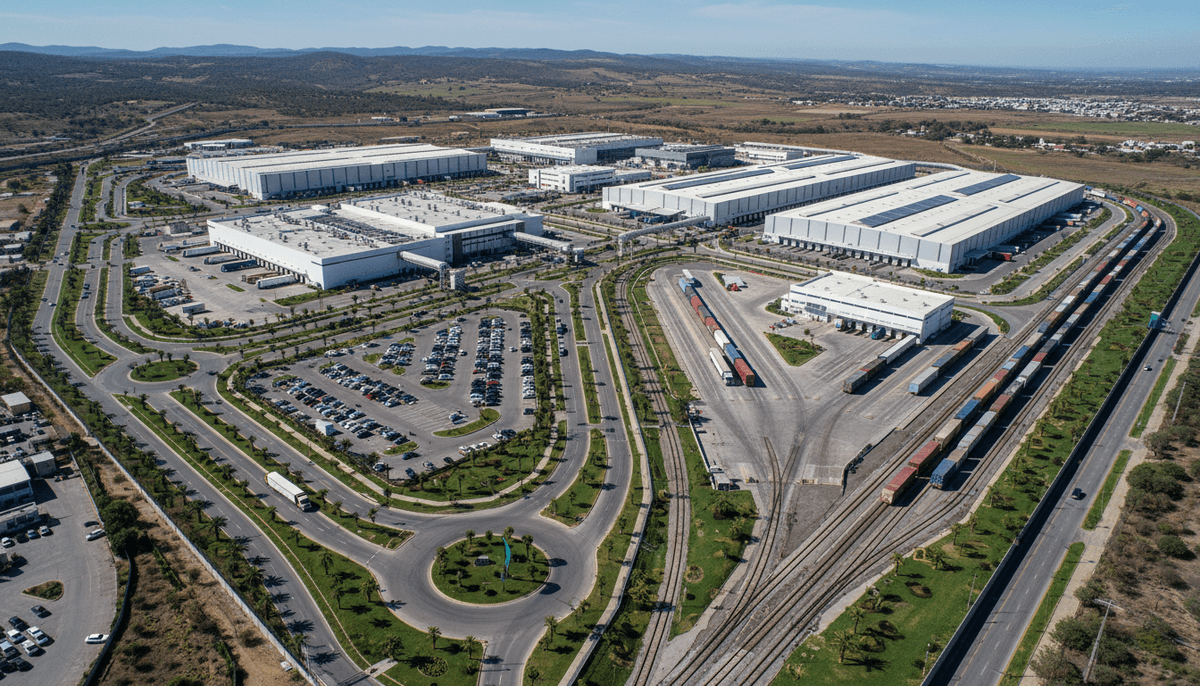
The Monterrey cluster benefits from advanced logistics infrastructure, including direct rail and highway connections to Texas. For product sourcing professionals, this region offers opportunities in metalworking, industrial equipment, and automotive component manufacturing.
2. Guadalajara and the Western Tech Hub
Guadalajara, in Jalisco state, has positioned itself as Mexico's technology and electronics manufacturing center. This industrial cluster is home to numerous factories producing consumer electronics, semiconductors, and IT equipment. The region attracts significant foreign direct investment and hosts manufacturing operations for major global brands seeking nearshoring solutions.
For US importers focused on electronics and technology products, Guadalajara offers factory discovery opportunities with established quality control standards and export-ready production capabilities. The cluster's skilled workforce and innovation ecosystem make it ideal for sourcing high-value manufactured goods.
3. Mexico City and the Central Manufacturing Zone
The Mexico City metropolitan area remains a significant industrial cluster despite being primarily known as the capital. This region specializes in pharmaceuticals, chemicals, food processing, and consumer goods manufacturing. The concentration of distribution centers and logistics hubs makes it a strategic location for wholesale trade operations serving both domestic and international markets.
Factory discovery in this region is particularly valuable for importers seeking pharmaceutical-grade manufacturing, food products, and specialty chemicals. The established regulatory framework and quality certifications make Mexico City an excellent sourcing destination for regulated industries.
4. Bajío Region: León, Querétaro, and San Luis Potosí
The Bajío region has experienced rapid industrial growth and now represents one of Mexico's most dynamic manufacturing clusters. León specializes in leather goods and footwear production, while Querétaro and San Luis Potosí focus on automotive, aerospace, and precision manufacturing. This cluster has become increasingly important for US importers seeking diversified sourcing options.
The Bajío's competitive labor costs, modern factory infrastructure, and strategic location between Mexico City and the northern border make it attractive for wholesale buyers. The region's growing aerospace sector offers opportunities for high-tech product sourcing and factory partnerships with international quality standards.
5. Tijuana and the Northern Border Manufacturing Hub
Tijuana and the broader Baja California region form a critical manufacturing cluster for companies prioritizing proximity to US markets. This area specializes in electronics assembly, automotive manufacturing, medical devices, and consumer products. The maquiladora industry remains strong here, with numerous factories equipped for rapid prototyping and high-volume production.
For US importers, Tijuana offers unmatched advantages in terms of shipping logistics, customs clearance, and supply chain efficiency. Factory discovery in this region is particularly valuable for companies seeking just-in-time manufacturing and rapid product sourcing capabilities.
Key Considerations for Product Sourcing in Mexican Industrial Clusters
When evaluating factories across these industrial clusters, US importers should consider several critical factors. Quality certifications, such as ISO standards and industry-specific accreditations, are essential for wholesale trade partnerships. Additionally, understanding local labor practices, environmental compliance, and export regulations ensures smooth US imports operations.
Mexico's industrial clusters benefit from established trade agreements, including the USMCA, which provides tariff advantages and streamlined customs procedures for qualifying products. Sourcing professionals should leverage these advantages when negotiating factory partnerships and wholesale agreements.
For more information on Mexican manufacturing and sourcing opportunities, visit ProMexico, the official government agency promoting foreign investment. Additional insights on nearshoring strategies can be found in Supply Chain Brain, which regularly covers Mexico's industrial development. The National Association of Manufacturers also provides resources on US-Mexico trade relationships. For detailed market analysis, Mexico Business News offers current reporting on industrial clusters and factory operations. Importers can also consult US International Trade Commission for tariff and compliance information, and American Chamber of Commerce in Mexico for networking and sourcing support.
Mexico's industrial clusters represent exceptional opportunities for US importers seeking reliable manufacturing partners, competitive pricing, and efficient supply chain solutions. By understanding the strengths and specializations of each region, sourcing professionals can make informed decisions and establish sustainable wholesale trade relationships that drive business growth.