Top 5 Textile Fabrics Produced End-to-End in Peru
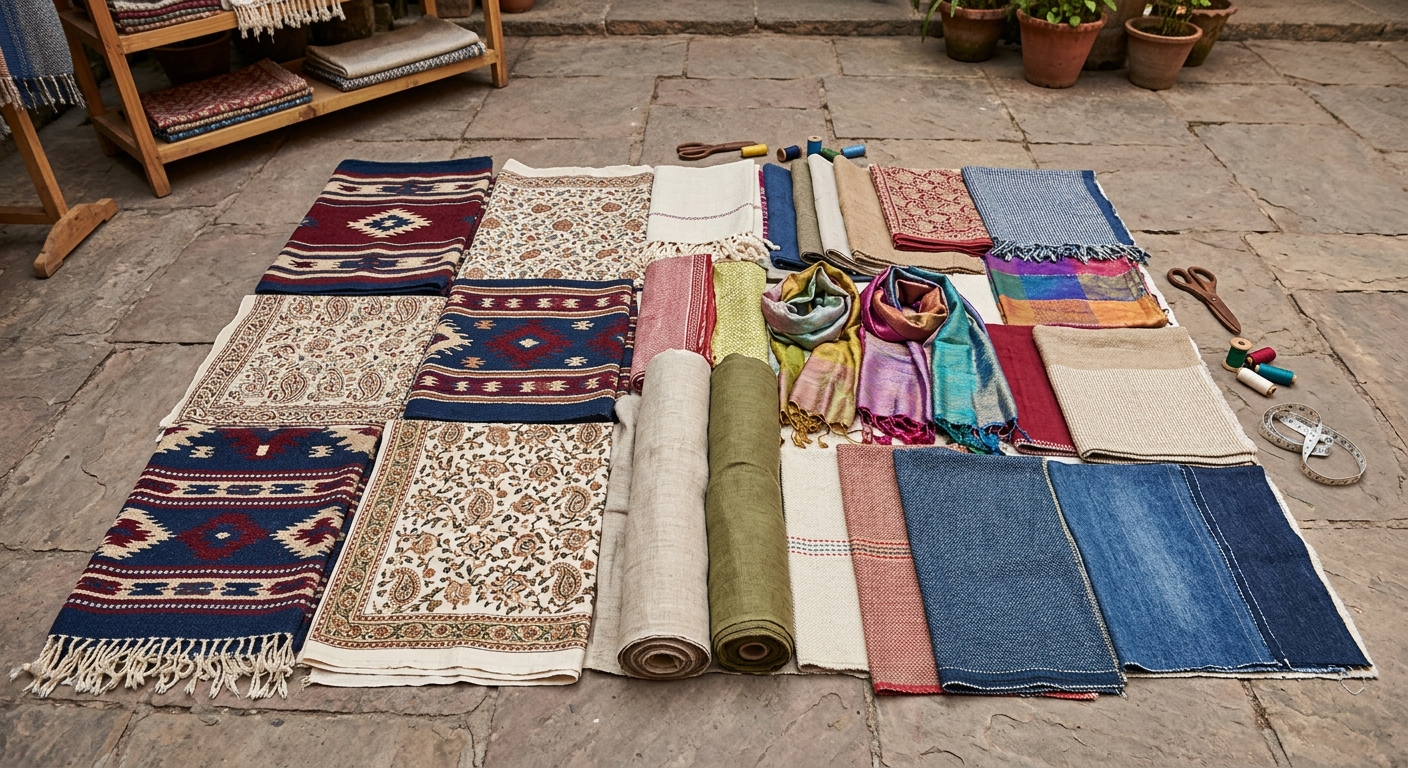
Peru is one of the few sourcing destinations where vertical integration is a genuine selling point, not just a marketing claim. For several key fabrics, the raw fiber is grown, cleaned, spun, woven or knit, and finished within the country — giving buyers tighter quality control, shorter supply chains, and traceable provenance. If you're importing apparel, home textiles, or performance fabrics and haven't evaluated Peruvian mills seriously, here's what to know.
1. Pima Cotton
Peruvian Pima cotton is grown in the coastal river valleys of Piura and Lambayeque, where the arid climate and specific soil conditions produce extra-long staple (ELS) fibers typically ranging from 1.4 to 1.5 inches. That fiber length translates directly into finer yarn counts, stronger fabric, and a smoother hand feel than standard Upland cotton.
The end-to-end story here is real: farms in Piura feed ginning operations, which feed spinning mills, which supply knitting and weaving facilities — many of them operating under one roof or within the same industrial parks in Lima and Arequipa. For buyers, this means you can audit the full chain with a single factory visit and request fiber certificates tied to specific harvests.
Typical product categories: T-shirts, polos, underwear, dress shirts, bed linens, and towels.
MOQ reality: Most Peruvian Pima mills operate at mid-to-high minimums — expect 500 to 1,000 dozen per style for cut-and-sew programs. Fabric-only orders can sometimes be arranged at lower quantities through converters.
2. Alpaca Fiber
Alpaca is Peru's most internationally recognized luxury fiber, and roughly 80% of the world's alpaca population lives in the Peruvian highlands, primarily in the Puno and Cusco regions. The two main grades buyers should know: Huacaya (the most common, with a fluffy crimped texture) and Suri (flatter, silkier, and significantly rarer and more expensive).
Processing — sorting, dehairing, spinning, and finishing — is concentrated in Arequipa, which functions as the global hub for industrial alpaca processing. Several large vertically integrated mills there export directly to U.S. and European brands.
Typical product categories: Sweaters, scarves, blankets, throws, socks, and outerwear linings.
Key sourcing note: "Baby alpaca" refers to fiber fineness (under 22.5 microns), not the age of the animal. Confirm micron count in your product spec sheet and request mill test reports — mislabeling is a known issue in the market.
3. Tangüis Cotton
Less exported than Pima but equally important in Peru's domestic textile industry, Tangüis is a long-staple variety developed specifically for Peru's humid coastal conditions. It produces a softer, more absorbent yarn than most standard cotton grades and is particularly well-suited for knit fabrics.
Most Tangüis production goes into the domestic market or regional Latin American supply chains, but U.S. buyers sourcing knitwear from Peruvian factories will often encounter it in blended or single-jersey constructions. It's a cost-effective alternative to Pima when you need the softness profile without the Pima price premium.
Typical product categories: Knit basics, activewear, baby garments, and jersey bedding.
4. Vicuña Fiber
Vicuña is the rarest and most expensive natural fiber in commercial production. The animals are protected by Peruvian law and can only be shorn under licensed, government-supervised programs — typically through community-managed operations in the high Andes. Annual global production is measured in tons, not thousands of tons.
For most importers, vicuña is not a scalable sourcing option. It's relevant to buyers working in luxury apparel or accessories at very low volumes and very high price points. Fabrics run several hundred dollars per meter at wholesale, and finished garments retail in the thousands.
What matters for sourcing: Always require CITES documentation and official Peruvian export certification. Counterfeit vicuña blends — often mislabeled as "vicuña" but containing alpaca or merino — are common in less-regulated markets.
5. Organic Cotton (Certified)
Peru has developed a meaningful certified organic cotton sector, primarily in the Piura region, where farms operate under GOTS or OCS certification. For U.S. buyers with sustainability requirements or retail customers demanding fiber provenance documentation, Peruvian organic cotton is one of the more reliable sources globally because the certification infrastructure is well-established and the vertical integration means the chain of custody is easier to maintain.
The fiber is primarily Pima variety, so buyers get the ELS quality benefits alongside the organic certification — a combination that's difficult to source from most other origins.
Typical product categories: Baby apparel, premium basics, activewear, and home textiles for specialty retail.
What to Verify Before Committing to a Peruvian Mill
- Vertical integration depth: Ask exactly which steps the factory controls in-house versus what they outsource. A mill that spins and knits internally has a very different risk profile than one buying yarn on the open market.
- Export experience: Confirm the factory has shipped to the U.S. market before and understands FDA fiber content labeling requirements.
- Certifications: For organic or luxury fibers, request current certificates with expiration dates — not just marketing claims.
- Lead times: Peruvian mills serving export markets typically quote 90 to 120 days from approved sample to shipment. Build that into your buying calendar.
Peru's textile strength is narrow but deep. Buyers who match their product category to the right fiber will find some of the most traceable, high-quality supply chains available outside of Europe — at price points that remain competitive for premium positioning.