Top 10 Manufacturing Industries in Peru for U.S. Importers
- 1. Textile and Apparel Manufacturing
- 2. Alpaca and Camelid Fiber Products
- 3. Copper and Metal Products
- 4. Jewelry and Precious Metal Fabrication
- 5. Agro-Industrial Processing
- 6. Fishing and Seafood Processing
- 7. Leather Goods and Footwear
- 8. Wood and Furniture Manufacturing
- 9. Chemical and Cosmetic Manufacturing
- 10. Construction Materials and Ceramics
- Key Sourcing Considerations for Peru
Peru is not the first country most U.S. importers think of when evaluating overseas manufacturers, but it should be on your shortlist for several product categories. The country has a long industrial history, preferential trade access to the U.S. under the U.S.-Peru Trade Promotion Agreement (PTPA), and a manufacturing base that spans everything from high-end alpaca knitwear to refined copper products. Below are the ten manufacturing industries in Peru with the most relevance for B2B importers.
1. Textile and Apparel Manufacturing
Peru's textile industry is one of its most mature export sectors. Factories in Lima and surrounding regions produce cotton knits (primarily Pima and tangüis cotton), woven fabrics, and finished garments. Pima cotton, grown in the Piura region, is a consistent draw for buyers who need a premium, long-staple fiber. MOQs at mid-size Peruvian garment factories typically run from 300 to 1,000 units per style, depending on construction complexity.
2. Alpaca and Camelid Fiber Products
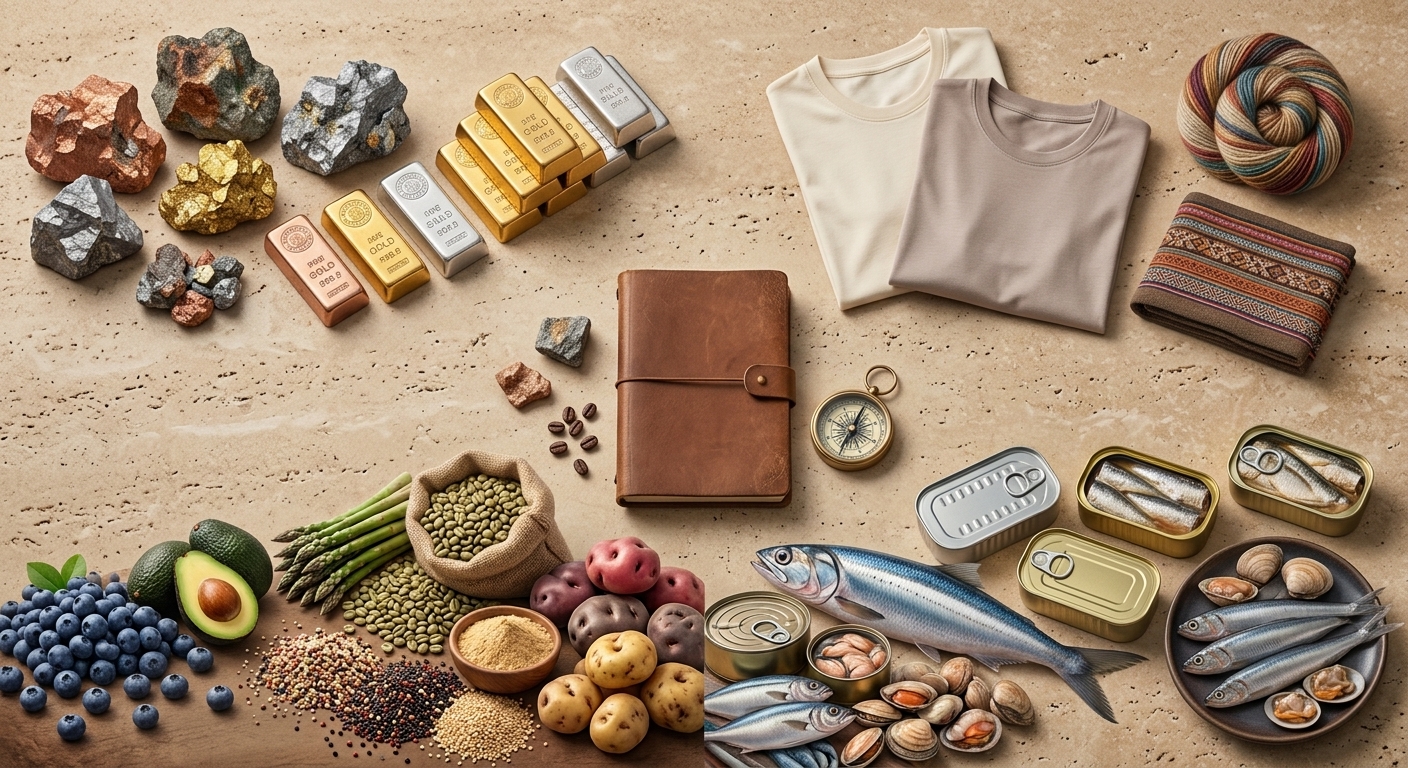
Peru accounts for roughly 80% of the world's alpaca fiber supply. Manufacturers in Arequipa — the center of Peru's alpaca industry — produce yarn, knitwear, woven textiles, and home goods. If you source blankets, sweaters, scarves, or upholstery fabric in alpaca or related camelid fibers (vicuña, llama), Peruvian factories are among the few vertically integrated options globally.
3. Copper and Metal Products
Peru is one of the world's largest copper producers, and that raw material advantage flows downstream into manufactured goods including copper wire, tubing, fittings, and semi-finished products. Industrial buyers sourcing copper-based components for construction, electrical, or plumbing applications will find competitive pricing tied to proximity to raw material.
4. Jewelry and Precious Metal Fabrication
Gold and silver mining are significant in Peru, and a well-established jewelry manufacturing cluster — concentrated in Lima's Miraflores and Callao districts — produces sterling silver, gold-filled, and mixed-metal jewelry. Many factories are accustomed to working with private-label buyers and can accommodate custom designs with sampling lead times of 3 to 6 weeks.
5. Agro-Industrial Processing
Peru exports processed agricultural products including asparagus, artichokes, quinoa, cacao, and coffee in packaged, frozen, or ingredient form. For food and beverage importers sourcing ingredients or private-label packaged goods, Peru's agro-industrial processors operate under international certifications including HACCP, organic (NOP), and fair trade, depending on the facility.
6. Fishing and Seafood Processing
Peru consistently ranks among the world's top fishing nations. Beyond fishmeal (primarily an animal feed input), the country's seafood processors manufacture frozen and canned products including squid, anchovies, sardines, and scallops. Cold-chain infrastructure has improved significantly at Callao and Paita ports, reducing quality risk for frozen shipments to U.S. buyers.
7. Leather Goods and Footwear
Trujillo is Peru's main leather goods manufacturing hub, producing shoes, bags, belts, and accessories. Labor costs remain lower than in Brazil or Argentina, and factories in this region have experience working with foreign buyers on private-label programs. Expect MOQs in the range of 100 to 500 pairs for footwear, with sampling timelines of 4 to 8 weeks.
8. Wood and Furniture Manufacturing
Peru has significant timber resources, including certified hardwoods such as mahogany and cedar. Furniture and wood product manufacturers — largely based in Lima and Ucayali — produce finished furniture, flooring, and cabinetry. Buyers sourcing wood products should verify FSC or equivalent chain-of-custody certification, as timber export compliance is a known risk area in Peru.
9. Chemical and Cosmetic Manufacturing
Peru has a growing contract manufacturing sector for personal care products, natural cosmetics, and botanical extracts. Ingredients derived from native plants — maca, camu camu, sacha inchi, dragon's blood — are produced by specialty processors and sold to cosmetic and supplement brands internationally. GMP certification is available at select facilities.
10. Construction Materials and Ceramics
Cement production is a major domestic industry, though less relevant for direct U.S. import. More actionable for importers are Peru's ceramic tile, brick, and artisanal pottery manufacturers. Hand-crafted ceramic lines from Quinua and Chulucanas have established export histories and appeal to buyers sourcing decorative goods for the U.S. retail market.
Key Sourcing Considerations for Peru
Trade agreement: The PTPA eliminates tariffs on most manufactured goods exported from Peru to the U.S. Confirm your HTS code qualifies and that your supplier can provide a valid certificate of origin.
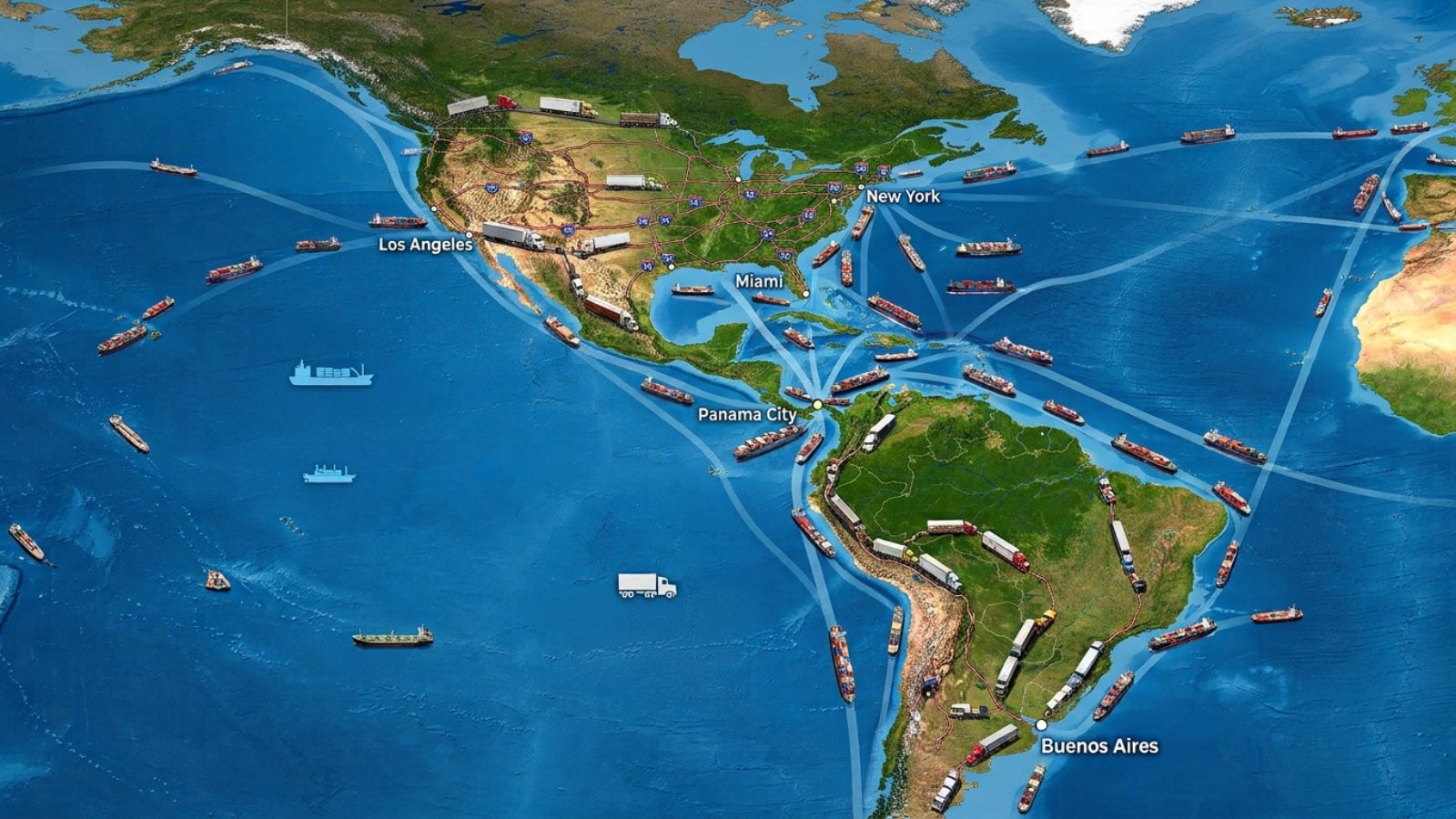
Logistics: Lima's Callao port is the primary export gateway. Transit times to U.S. East Coast ports run approximately 15 to 20 days; West Coast ports are 20 to 30 days depending on routing.
Factory vetting: As in any sourcing market, third-party factory audits are advisable before placing initial purchase orders. Peru has a mix of large, ISO-certified manufacturers and small workshops — due diligence requirements vary accordingly.
Language: Spanish is the working language. Having a bilingual sourcing agent or translator involved in supplier negotiations and QC communication reduces risk materially.