Manufacturing Shirts in Latin America: Costs, MOQs, and Lead Times

- The Latin American Apparel Manufacturing Advantage
- Premium Organic Fibers: Availability and Sourcing
- Cost Structure and Pricing Models
- Minimum Order Quantities and Production Flexibility
- Lead Times and Production Schedules
- Quality Standards and Certifications
- Navigating Tariffs and Trade Agreements
- Finding and Vetting Manufacturers
- Sustainability and Ethical Considerations
- Strategic Recommendations for Importers
Latin America has emerged as a premier destination for apparel manufacturing, offering competitive pricing, skilled labor, and proximity to North American markets. For brands seeking to source premium shirts with organic fibers, the region presents exceptional opportunities. This comprehensive guide explores the landscape of shirt manufacturing in Latin America, with particular focus on premium materials like Pima cotton, bamboo, alpaca, and wool.
The Latin American Apparel Manufacturing Advantage
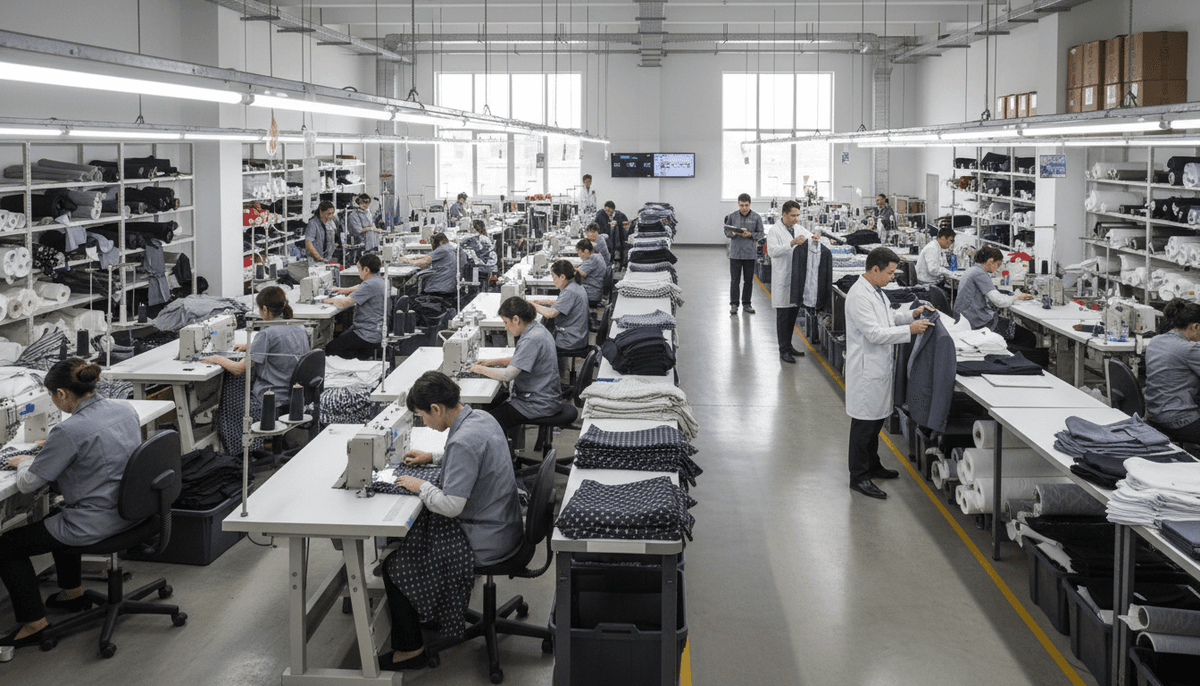
Latin America's apparel sector has grown substantially over the past decade, driven by trade agreements, established supply chains, and a reputation for quality craftsmanship. Countries including Colombia, Peru, Guatemala, and Honduras have developed robust manufacturing ecosystems that cater to wholesale buyers and brands seeking reliable production partners. The region's geographic proximity to the United States reduces shipping times and costs compared to Asian alternatives, making it an attractive option for importers focused on inventory management and rapid fulfillment.
Premium Organic Fibers: Availability and Sourcing
One of Latin America's greatest strengths is its access to world-class premium organic fibers. The region is home to some of the finest natural materials available for shirt manufacturing:
- Pima Cotton: Peru is the global leader in Pima cotton production, cultivating this ultra-soft, durable fiber in ideal climate conditions. Pima cotton offers superior strength, color retention, and comfort compared to conventional cotton, making it ideal for premium shirt lines. Peruvian Pima cotton commands premium pricing but delivers exceptional quality that justifies the investment.
- Bamboo Fiber: Bamboo viscose production has expanded throughout Latin America, particularly in Colombia and Ecuador. This eco-friendly fiber is soft, breathable, and sustainable, appealing to environmentally conscious consumers. Bamboo fabric offers excellent moisture-wicking properties, making it suitable for performance and casual shirt applications.
- Alpaca Fiber: Peru and Bolivia are renowned for alpaca production, offering some of the world's finest alpaca wool. Alpaca fiber is hypoallergenic, warmer than sheep's wool, and luxuriously soft. Alpaca blends create premium knitwear and specialty shirts with exceptional insulation properties and a distinctive aesthetic.
- Merino and Wool Blends: While sheep's wool production is less dominant in Latin America than in Australia or New Zealand, several countries produce quality wool suitable for blended shirt fabrics. Wool offers natural temperature regulation, durability, and a classic appeal for premium menswear and womenswear collections.
Cost Structure and Pricing Models
Manufacturing costs in Latin America vary significantly based on fiber type, production complexity, and order volume. Pima cotton shirts typically range from $4 to $8 per unit at wholesale prices for orders of 500+ units, depending on construction quality and finishing details. Bamboo fiber shirts generally cost $3 to $6 per unit, offering better cost efficiency while maintaining premium positioning. Alpaca and wool blended shirts command higher prices, ranging from $8 to $15 per unit due to material scarcity and specialized production requirements.
Labor costs in Latin America remain substantially lower than in North America or Europe, contributing to competitive wholesale pricing. However, premium fiber sourcing and specialized dyeing or finishing processes can increase per-unit costs. Brands should budget for quality control, compliance certifications, and potential customization fees when calculating total landed costs.
Minimum Order Quantities and Production Flexibility
MOQs for shirt manufacturing in Latin America typically range from 300 to 1,000 units per style, depending on the manufacturer and fiber type. Smaller factories may accept MOQs as low as 200 units, while larger, more established manufacturers often require 1,000+ unit minimums. Premium organic fiber shirts may have slightly higher MOQs due to material sourcing constraints and specialized production processes.
Many Latin American manufacturers offer flexibility in color, size, and design customization within MOQ parameters. This flexibility allows brands to test market demand without committing to massive inventory investments. Some factories provide tiered pricing structures that reward larger orders, incentivizing brands to consolidate styles or increase volumes.
Lead Times and Production Schedules
Lead times for shirt manufacturing in Latin America typically range from 45 to 90 days from order confirmation to shipment, depending on complexity and current factory capacity. Pima cotton and standard organic fiber shirts generally require 60-75 days, while specialty items like alpaca blends may extend to 90+ days due to material sourcing and specialized processing.
Factors affecting lead time include fiber availability, dyeing and finishing requirements, embroidery or printing complexity, and quality inspection protocols. Brands should communicate clearly with manufacturers about delivery deadlines and build buffer time into their supply chain planning. Many factories offer expedited production for premium fees, typically adding 15-30% to unit costs for rush orders.
Quality Standards and Certifications
Latin American manufacturers increasingly pursue international certifications including GOTS (Global Organic Textile Standard), OEKO-TEX, and Fair Trade certifications. These credentials are particularly important for premium organic fiber products, as they validate sustainability claims and ethical production practices. Brands sourcing Pima cotton, bamboo, or alpaca should verify that suppliers maintain appropriate certifications to support marketing narratives and meet retailer requirements.
Quality control in the region has improved dramatically, with many factories implementing rigorous inspection protocols, testing for shrinkage, colorfastness, and durability. Brands should request samples, conduct pre-production meetings, and establish clear quality specifications before committing to large orders. Third-party inspection services are available throughout Latin America to verify compliance with agreed-upon standards.
Navigating Tariffs and Trade Agreements
Understanding tariff implications is critical for US importers sourcing from Latin America. The Dominican Republic-Central America Free Trade Agreement (CAFTA-DR) provides preferential tariff treatment for apparel manufactured in eligible countries, potentially reducing duties significantly. Colombia and Peru benefit from trade preference programs that can lower import costs. However, rules of origin requirements must be met, and proper documentation is essential to claim tariff benefits.
Brands should consult with customs brokers or trade compliance specialists to understand the tariff classification of their specific products and identify opportunities for duty reduction. Proper classification of organic fiber content and manufacturing origin can result in substantial savings on large import volumes.
Finding and Vetting Manufacturers
Identifying reliable manufacturing partners in Latin America requires research and due diligence. Industry directories, trade shows, and sourcing platforms like Alibaba and Thomas Net list Latin American apparel manufacturers. However, direct engagement with regional trade associations and industry groups often yields better results. The Peruvian textile association, Colombian apparel clusters, and Central American manufacturing networks maintain directories of vetted suppliers.
Brands should request references from existing clients, review factory certifications, and conduct site visits when possible. Video conferencing and virtual factory tours have become standard practice, allowing remote evaluation of facilities and production capabilities. Requesting samples and conducting small pilot orders helps assess quality and communication before committing to larger volumes.
Sustainability and Ethical Considerations
Latin American manufacturers increasingly emphasize sustainable practices and ethical labor standards, aligning with consumer demand for responsible production. Organic fiber sourcing inherently supports sustainability goals, and many Latin American factories implement water conservation, waste reduction, and renewable energy initiatives. Brands can leverage these practices in marketing while supporting responsible manufacturing.
Fair trade certifications and transparent supply chains are becoming competitive advantages in the premium apparel market. Latin American manufacturers' proximity to raw material sources—particularly for Pima cotton, alpaca, and bamboo—enables greater supply chain transparency and traceability compared to distant Asian alternatives.
Strategic Recommendations for Importers
Brands seeking to manufacture premium organic fiber shirts in Latin America should prioritize building long-term relationships with manufacturers rather than pursuing transactional, one-off orders. Consistent partnerships enable better pricing, priority production scheduling, and collaborative product development. Starting with smaller pilot orders allows brands to assess quality, communication, and reliability before scaling volumes.
Diversifying across multiple manufacturers reduces supply chain risk and provides negotiating leverage. Maintaining relationships with 2-3 capable factories in different countries ensures continuity if one facility experiences capacity constraints or quality issues. This approach also enables brands to optimize production based on specific fiber types and manufacturing specialties.
For detailed insights on apparel sourcing strategies, consider reviewing Sourcing Journal, which covers global manufacturing trends and trade policy updates. Additionally, Apparel News provides industry-specific reporting on Latin American manufacturing developments and market analysis.
Latin America represents a compelling opportunity for brands seeking premium organic fiber shirts with competitive pricing, reasonable lead times, and ethical production practices. By understanding cost structures, MOQ requirements, and lead time parameters, importers can develop efficient sourcing strategies that balance quality, cost, and supply chain resilience. The region's established infrastructure, skilled workforce, and access to world-class organic fibers position it as an essential sourcing destination for discerning brands committed to quality and sustainability.