
The Sourcing Journal
Practical guides on prototyping, sampling, factory vetting, and everything else in between.

Top 10 U.S. Online (Ecommerce-Only) Women's Clothing Stores
A ranked look at the ten largest U.S. ecommerce-only women's clothing retailers — useful sourcing intelligence for importers competing in or supplying this market.
Top Product Categories to Source from by Latin American Country
Latin America’s GDP is set to grow in 2020 thanks to Latin America’s four biggest economies: Brazil, Mexico, Argentina,…
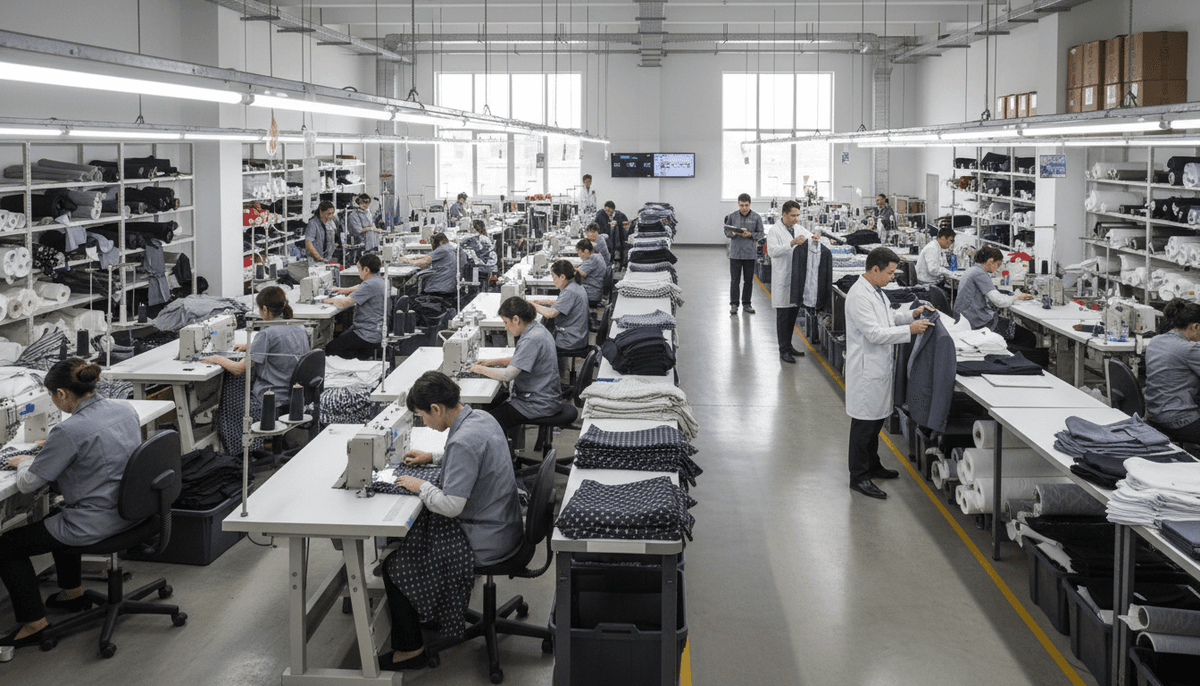
From Sample to Bulk: The Complete Timeline and Cost Breakdown for Apparel Production
Complete guide to apparel production timelines and costs: fabric, trims, labor, QC, and logistics. Learn how nearshoring to Latin America reduces lead times.
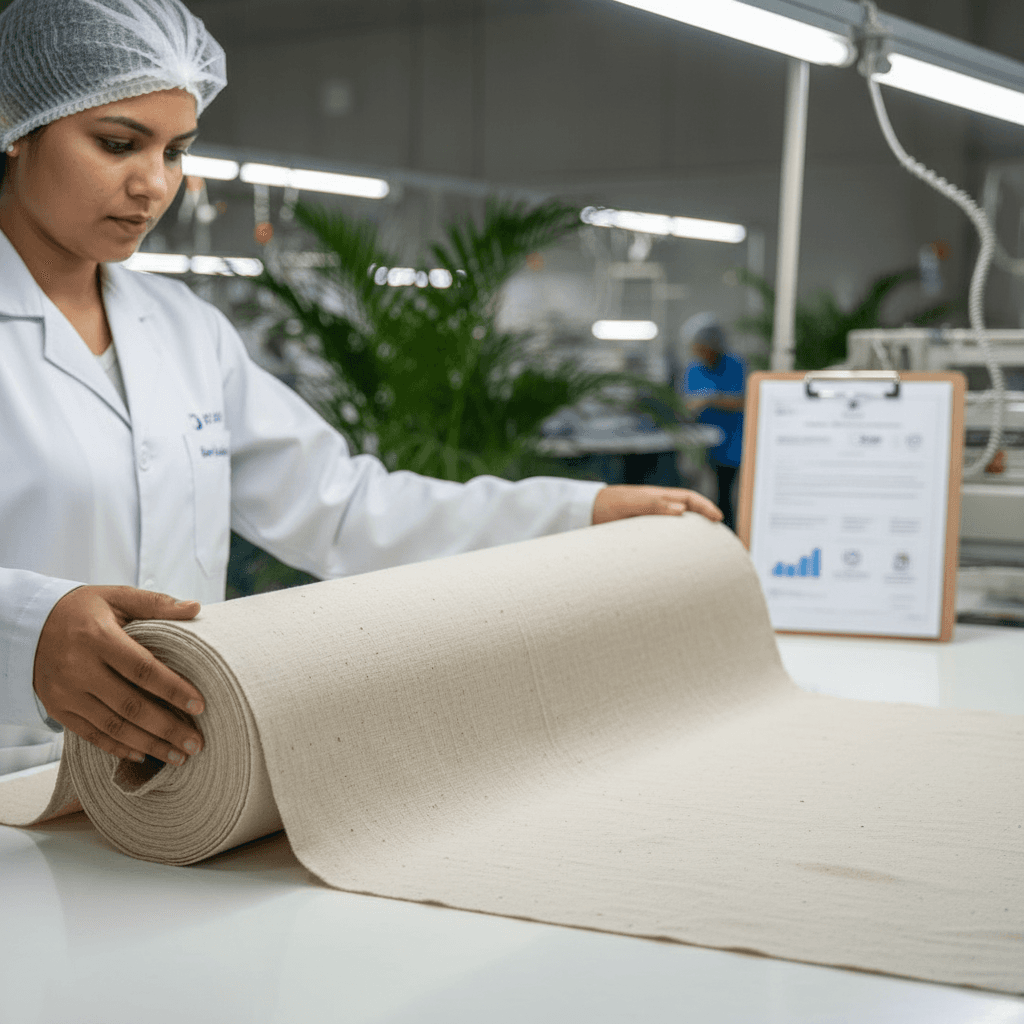
Sustainability Certifications in Apparel Manufacturing: What Brands Actually Need in 2026
Guide to apparel sustainability certifications (GOTS, OEKO-TEX, BSCI, WRAP) for importers sourcing from Latin American manufacturers in 2026.
Where to Source Palm Oil
Palm oil is the most widely produced vegetable oil in the world and continues to grow in its use, replacing other…
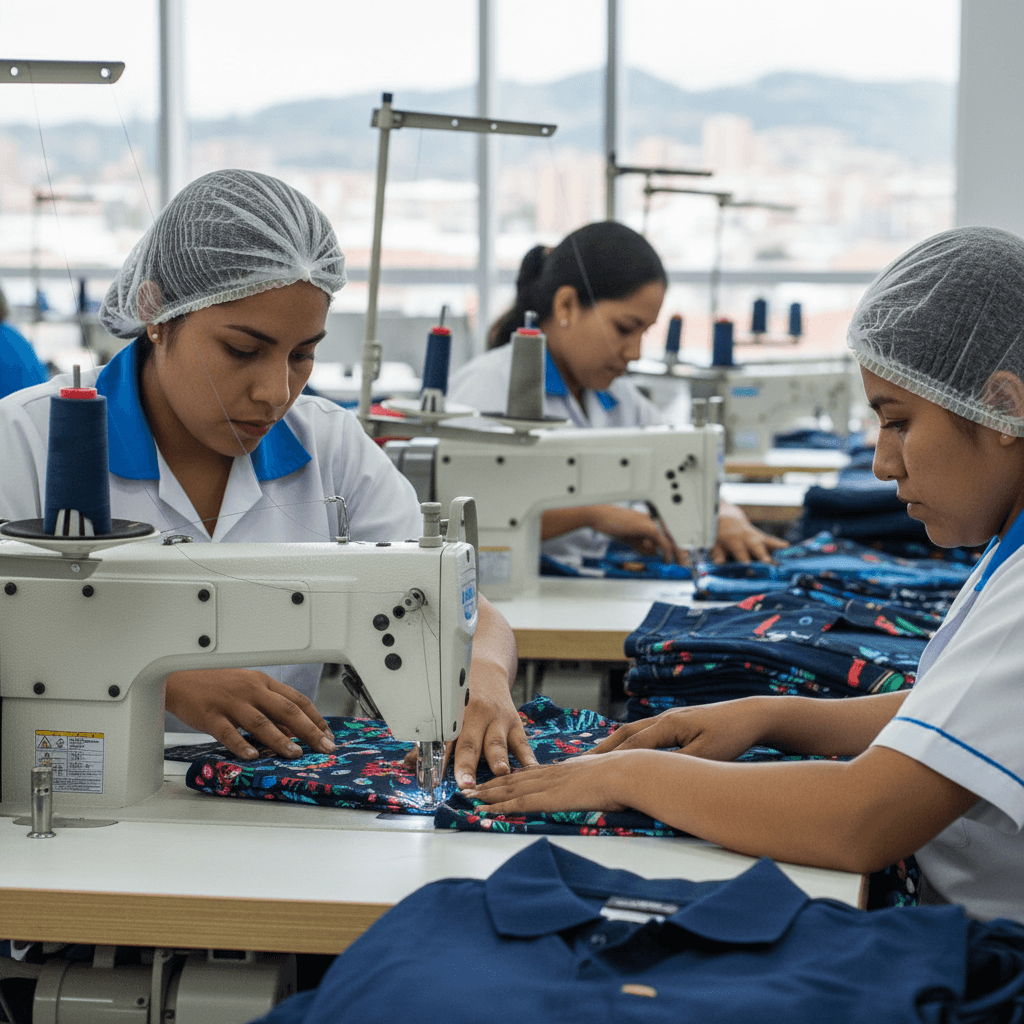
Top 5 Colombian Cities for Apparel Production
Discover Colombia's top 5 apparel manufacturing cities: Medellín, Bogotá, Cali, Barranquilla, and Santa Marta. Expert guide for US importers and wholesale sourcing.

Top 5 Women's Activewear Brands - Lessons That Can Be Learned About Their Product Strategy
Learn product strategy lessons from top women's activewear brands. Insights on sourcing, manufacturing, and wholesale distribution in the activewear market.
Certifications That Matter – ISO, WRAP, OEKO-TEX, and Compliance Requirements for 2026
Essential guide to ISO, WRAP, OEKO-TEX certifications for 2026 sourcing. Verify compliance, avoid fraud, and build compliant supply chains.
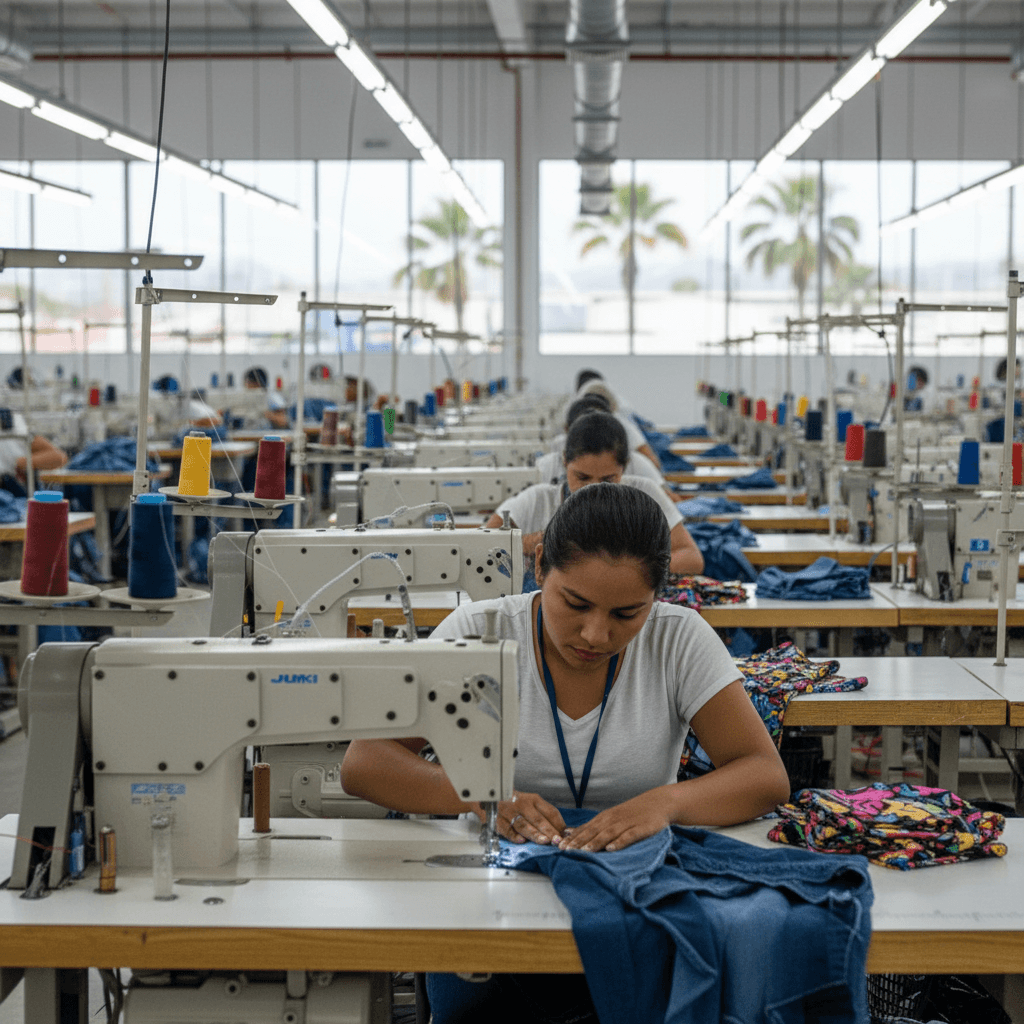
Total Cost of Ownership (TCO) Analysis: Latin America vs. Asia Sourcing
Compare Latin America vs. Asia apparel sourcing with TCO analysis. Explore tariff impacts, lead times, and cost advantages of nearshoring to Mexico and Colombia.
Sourcing 101: The Difference Between Suppliers, Distributors & Manufacturers
In today’s manufacturing landscape, understanding where your materials are coming from, and improving collaboration…
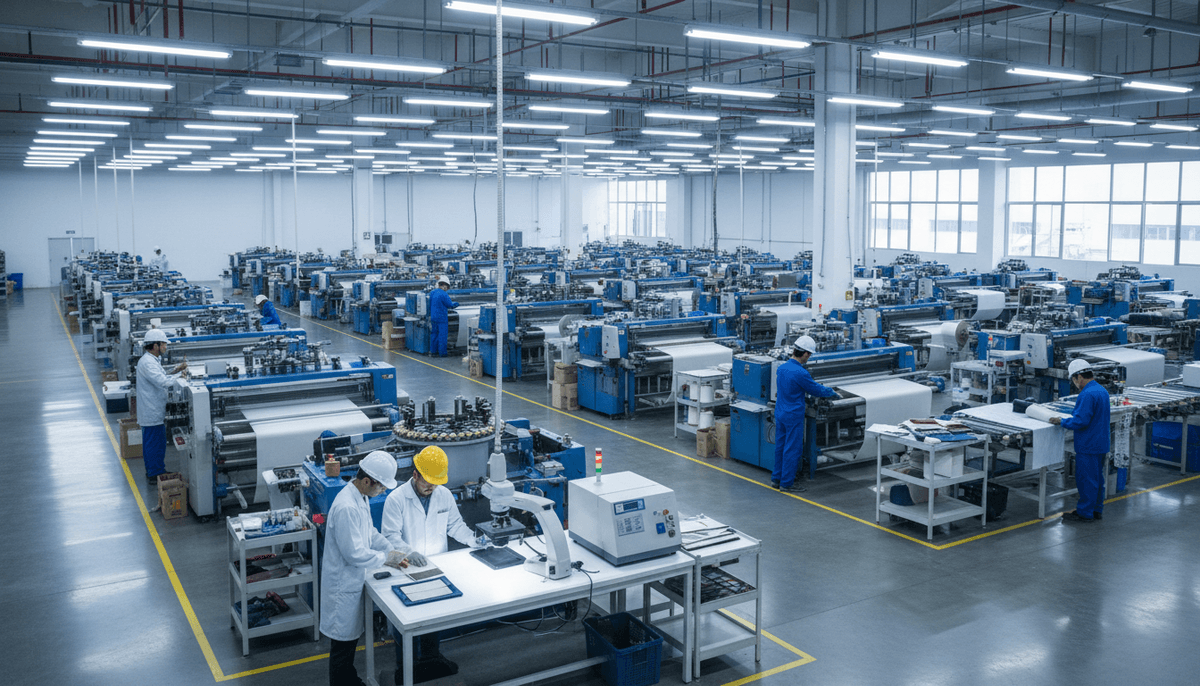
Finding and Vetting Apparel Manufacturers: Beyond Alibaba and Trade Shows
Discover proven strategies for finding and vetting apparel manufacturers beyond Alibaba. Learn red flags, evaluation frameworks, and Latin American sourcing advantages.

Manufacturing Shirts in Latin America: Costs, MOQs, and Lead Times
Guide to manufacturing premium organic fiber shirts in Latin America: Pima cotton, bamboo, alpaca costs, MOQs, lead times, and sourcing strategies.
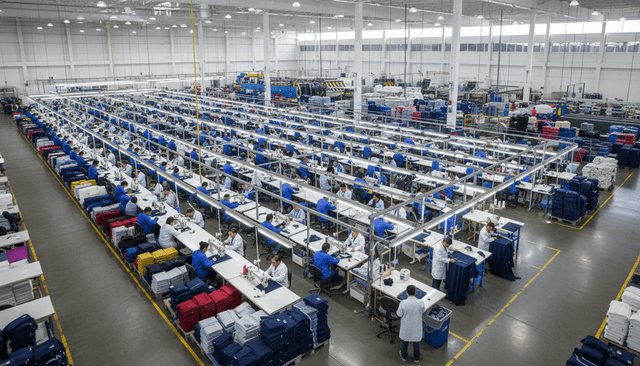
How to Find a Clothing Manufacturer in Mexico: What Brands Need to Know
Complete guide to finding clothing manufacturers in Mexico. Learn sourcing strategies, evaluate factories, negotiate terms, and build lasting partnerships for apparel production.

The Tariff-Driven Supply Chain Reorientation of 2026
2026 tariff surge at 26.4% reshapes apparel supply chains. Bangladesh, Vietnam, India divert exports to Europe. EU-India FTA creates winners and losers in global sourcing.

Top 5 Organic Fabrics for Top Quality Sportswear
Discover the top 5 organic fabrics for premium sportswear: cotton, bamboo viscose, linen, hemp, and merino wool. Sourcing guide for US importers.

10 Home Goods Products You Should Be Producing in Latin America Right Now.
Explore 10 must-produce home goods in Latin America to boost your supply chain with nearshore benefits, artisan quality, competitive pricing, and innovation!!!

Top 5 Mexican States for Heavy Industrial Production
Discover the top 5 Mexican states for heavy industrial production and why they're ideal for nearshoring and Latin American sourcing.

Top 7 Sourcing Hubs for Swimwear in Latin America: Unlocking Quality and Efficiency in Apparel Sourcing
Explore the top 7 sourcing hubs for swimwear in Latin America, where quality, innovation, and nearshoring benefits drive apparel sourcing success for top win

Top 5 Latin American Countries for Sustainable Home Decor
Discover sustainable home decor from Latin America with a mix of artisanal tradition & modern eco-friendly design - Mexico, Colombia, Brazil, Costa Rica, Chile.
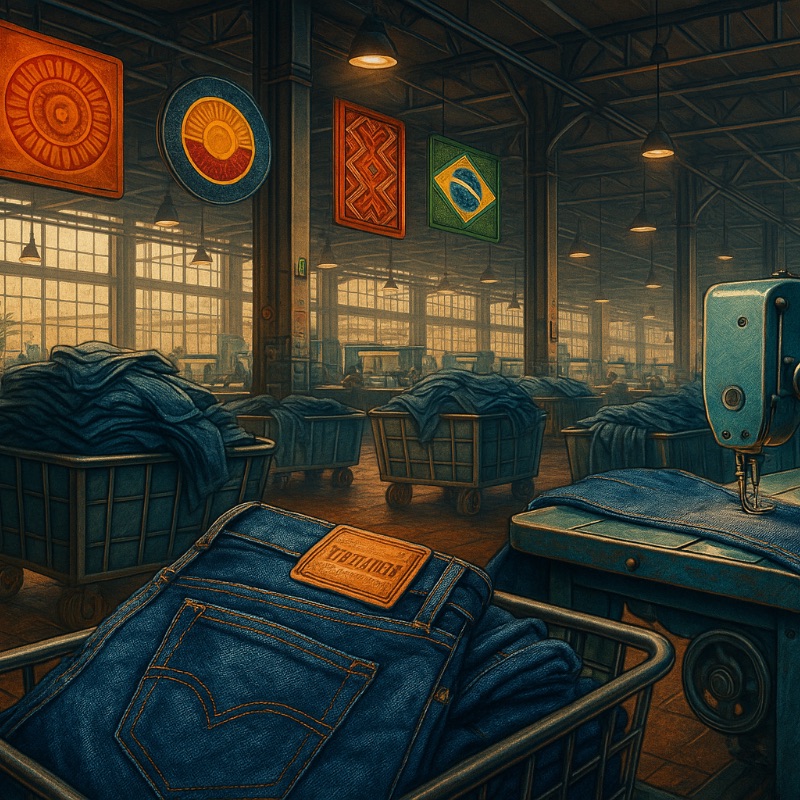
Top 5 Latin American Countries for Premium Denim Production: A Sourcing Expert's Guide
Top 5 Latin American countries for premium denim production offer nearshoring, expert sourcing, mexican & central america suppliers plus elite product sampling.

Article: Ensuring Reliable, Vetted Suppliers Throughout Latin America
Latin America Sourcing Latin America: A Leading Destination for Sourcing As U.S. businesses look to shorten supply…
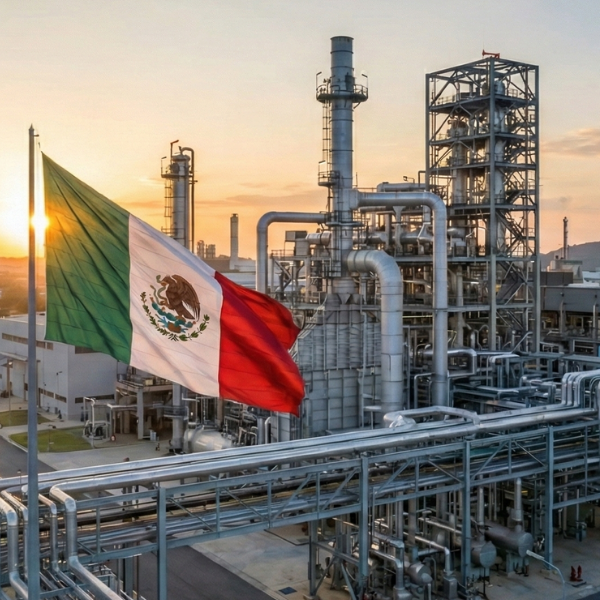
What is the Best Website to Find Suppliers from Mexico?
Top Websites for Finding Reliable Suppliers in Mexico Top Websites for Finding Reliable Suppliers in Mexico Finding…

Sourcing 101: The Difference Between Private Label & White Label
Private Label vs. White Label Private Label vs. White Label: Understanding the Differences When it comes to selling…
The Benefits of Apparel Production in Latin America
Latin America Sourcing - Textile Manufacturing The COVID-19 Pandemic and the Rise of Latin American Textile…

Top Industries Manufacturing in Colombia
Colombia is among the biggest economies in Latin America and is an upper middle-income economy. Colombia is a country with a growing Gross Domestic Product and increasingly attractive policies for entrepreneurs. Thanks to its privileged geographical position, the variety of its climates and products, as well as the development of a legal, stable and flexible policy, the most welcoming place is the ideal platform for global trade. The country’s large coastline on both the Atlantic and the Pacific oceans, which facilitates trade through the sea and the development of different port areas. Moreover, Colombia is directly connected to five countries in the region, making it a perfect place for bilateral trade development. The country was the 5th largest economy in Latin America in 1990 with of GDP of $1,500 before rising to become the 4th largest in 2015 and the 31st largest in the world. By the year 2015, the GDP per capita had risen to $14,000 and the GDP was $700 billion. The poverty levels had also dropped from highs of 65% in 1990 to 24% by 2015. Industries such as electronics, shipbuilding, tourism, mining, construction, and automobile grew rapidly between the 2000s and 2010s. The country is the 2nd biggest producer of domestically made appliances and electronics outside Mexico. The nation has the fastest growing economy in the western world. The government has in recent years shown a keen interest in exporting the nation’s pop culture through video games, movies, fashion, music, TV shows, and cosmetics to diversify the economy and improve the country’s image on the world stage. Manufacturing Hub of South America Petroleum accounts for about 45% of the nation's exports while manufacturing account for about 12% of the country's exports. The information technology sector is one the fastest growing in the world with developed IT infrastructure such as the longest fiber-optic network in South America. In the last decade, the country experienced a considerable economic boom. The nation has been producing domestic appliances since the 1930s, but it was not until the 1990s when the corporations in the country began exporting the products to neighboring countries. The country is also a hub for foreign appliance manufacturing with companies such as GE, LG, and Whirlpool showing interest in setting plants in the country. The country is currently the third largest producer of appliances after Mexico and Brazil. The country is also a major producer of electronics in South America and provides the second largest market for high tech electronics in South America. The government also launched a national campaign to boost the market share for local companies. Top Manufacturing Industries in Colombia The Colombian manufacturing sector has advantages for investors to seize the opportunities. Among these, Colombia stands out for its access to raw materials at competitive costs and qualified human talent at costs lower than those of the region. Furthermore, Colombia is characterized as a manufacturing export platform for the region. Below is a list of the top manufacturing industries in Colombia. 1. Textile and Fashion Colombia has become the number one flat weave fabric exporter in South America for products such as bras, jeans, and shapewear. The Colombian fashion industry comprises 9.4% of the total industrial GDP and employs around 600,000 people. In 2019, clothing and footwear sales in the country amounted to USD 8 billion and more than 1,200 Colombian companies in this industry exported their garments to over 100 countries. The city of Medellin is the nation’s traditional center of textile production. The Colombian textile industry has acquired greater specialization and recognition in the export of high value-added products. In 2019, over 1,200 companies exported their products to more than 100 countries, which were worth USD10,000 or more. Colombia has a robust business network with over 14,000 companies in the fashion industry, mostly MSMEs, and a qualified, specialized, and internationally renowned workforce. 2. Cosmetics & Personal Care Colombia has a long history producing and exporting cosmetics and personal care products in the region. Colombia offers a consolidated market with high levels of consumption and is considered a regional distribution platform , thus making Colombia an ideal foreign investment destination for the cosmetics and personal care sector. Besides, Colombia’s varied business network and wide range of natural ingredients meet the international market’s needs. Cosmetics and personal care sales in Colombia have shown an outstanding performance in recent years. Colombia has seen USD$3.06 billion in sales in the cosmetics and personal care sector, and forecasts for the next five years show a 2% growth. Per capita consumption of beauty and personal care products in Latin America exceeds the global average, as do consumption rates in other sectors such as fragrances, men’s grooming, deodorants, oral care, hair removal products, and baby and child-specific products. 3. Petrochemicals The availability and competitive prices of the petrochemical industry's raw materials, as well as a qualified workforce, make Colombia an excellent destination to produce and distribute products derived from the petrochemical sector to the rest of the region. The petrochemical industry serves various industries while maintaining a growing demand for materials and a consolidated sales market. Colombia consumes over US 3.744 billion in plastic and rubber resins every year and imports US $2.287 billion worth of products. The size of the plastics market records a compound annual historical growth of 10.1%. Similarly, production grew 8% on average in the last five years. The plastics and rubber sector in Colombia serves diverse industries that show potential for growth in the coming years, such as medical supplies, construction, and the automotive sectors. 4. Packaging Colombia has a mature container and packaging industry which represents USD 840 million in annual sales. As it grows, it boosts other segments such as cosmetics, personal care products, and processed foods. The Latin American market is the second largest for personal care products and cosmetics packaging, and the third largest for household cleaning product packaging. This is one of Colombia’s most competitive sectors, with a regulatory framework developed to facilitate a circular economy, ample supply of raw materials, and wide variety of local stakeholders with whom to form partnerships. Colombia has the raw materials to supply the sector. Base industries in Colombia supply raw materials for the container and packaging sector, including petrochemicals and cellulose for paper production and glass manufacturing. The domestic availability of these materials translates into savings in import costs. From basic raw materials to the final product, There is a vast majority of domestic components in glass production in Colombia. The country’s National Planning Department (DNP) estimates that imported components do not exceed 16% in glass production and 19% in the mirror and fiberglass production chain. 5. Automotive Colombia has a vehicle fleet of 15.3 million units and a business network of assembly plants as well as auto parts and accessory manufacturers which are potentially capable of serving the local market and exporting to regional markets. With a total of 263,320 vehicles and 604,960 motorcycles sold in 2019, Colombia remained the fourth largest vehicle manufacturer and second largest motorcycle manufacturer in Latin America. Colombia has an attractive domestic market with potential to grow the automotive industry. Low motorization in Colombia provides the opportunity for assembly plants to meet a potential demand. In Colombia, there are 81 family and passenger vehicles per 1000 residents, which is well below other countries in the region with less population, such as Chile (204) and Argentina (241). Bogotá, Cundinamarca, Antioquia, the Coffee Region, and Valle del Cauca are some departments in Colombia where auto parts and assembly businesses could grow. In 2019, 7.3 million vehicles were manufactured in Latin America; Colombia remains the fourth largest manufacturer with 127,000 vehicles. As for motorcycles, Colombia is the second largest manufacturer, with an annual average of over 500,000 units. In 2019, Colombia manufactured approximately 650,000 motorcycles (up 10.5% over 2018). In Colombia, there are over 8,000 registered vehicle maintenance and repair businesses and a qualified workforce to meet the needs of local assembly plants. Conclusion The gradual reopening of the market begins to boost the labor force and employment opportunities. Colombians are the key to favorable growth for all sectors, regions and industries. Their skills and attitude towards work, as well as their warmth to build relationships, is one of the biggest reasons to invest in Colombia. For instance, the country’s services for outsourcing and BPO services are well-renowned. Investors have more reasons to invest in Colombia, as it demonstrates why it is the world’s most welcoming place. Not only is it one of the top 3 best countries to do business with in Latin America, but its economic sectors are prepared to show the best of Colombia industrial production. The most welcoming place to do business awaits you with open doors. Discover why Colombia, on our website here. About Papaya Marketplace Papaya Marketplace offers buyers a full service experience in the origination, sourcing and managing of products. The platform was founded on the idea that curation and service are the most important elements in the buyer’s journey. Papaya Marketplace is building technology that addresses the pains of sourcing products internationally at attractive prices.
Top Products to Source from Colombia
Explore key U.S.-Colombia trade facts and 2019 statistics. Learn about Colombia's top exports, including oil, coffee, flowers, and emeralds, following the 2012 FTA.

Top Industrial Manufacturing in Colombia
Colombia is among the biggest economies in Latin America and is an upper middle-income economy. Colombia is a country with a growing Gross Domestic Product and …