Top 5 Organic Fabrics for Top Quality Sportswear
The global sportswear market is increasingly shifting toward sustainable materials, with organic fabrics leading the charge. For sourcing professionals and manufacturers looking to import high-quality athletic wear, understanding the best organic fabric options is essential. This comprehensive guide explores the top five organic fabrics that deliver superior performance, durability, and environmental credentials for premium sportswear production.
1. Organic Cotton Blends
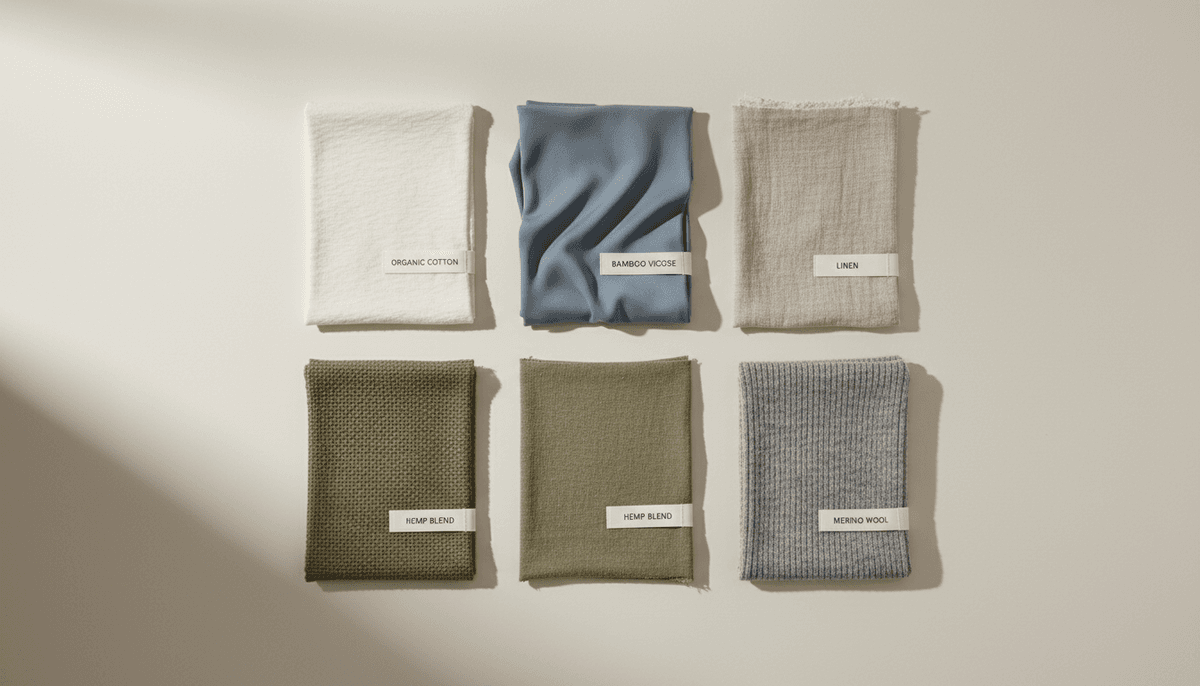
Organic cotton remains the foundation of sustainable sportswear manufacturing. Unlike conventional cotton, organic cotton is grown without synthetic pesticides or fertilizers, making it an eco-friendly choice for wholesale sportswear suppliers. When sourced from certified factories, organic cotton blends offer excellent breathability, moisture-wicking properties, and comfort for athletic applications. For US importers, organic cotton fabrics are widely available from manufacturers in India, Turkey, and Peru, with certifications like GOTS (Global Organic Textile Standard) ensuring quality and traceability throughout the supply chain.
2. Organic Bamboo Viscose
Bamboo viscose derived from organic bamboo is revolutionizing the sportswear industry. This fabric is naturally hypoallergenic, incredibly soft, and offers superior moisture management compared to traditional synthetics. Bamboo grows rapidly without requiring pesticides, making it an ideal sustainable raw material for factory sourcing. The fabric's thermoregulating properties make it perfect for high-performance athletic wear. When importing bamboo viscose sportswear, verify that your suppliers use closed-loop production processes to minimize environmental impact and ensure compliance with US textile import regulations.
3. Organic Linen
Organic linen is gaining traction in the sportswear sector, particularly for warm-weather athletic apparel. Sourced from flax plants grown without synthetic inputs, linen offers exceptional durability and breathability. The fabric becomes softer with each wash, making it ideal for long-lasting sportswear products. For wholesale buyers and importers, organic linen provides a premium positioning opportunity in the market. European manufacturers, particularly in Belgium and France, specialize in high-quality organic linen production with excellent export capabilities to North America.
4. Organic Hemp Blends
Hemp fabric is one of the most sustainable options available for sportswear manufacturing. Organic hemp requires minimal water, no pesticides, and regenerates soil health. When blended with organic cotton or bamboo viscose, hemp creates durable, breathable fabrics ideal for performance wear. Hemp's natural antimicrobial properties reduce odor, making it excellent for athletic applications. Sourcing organic hemp blends from certified factories in Asia and Europe provides importers with competitive pricing while maintaining premium quality standards. The fabric's durability ensures longer product lifecycles, appealing to environmentally conscious consumers.
5. Organic Wool and Merino Blends
Organic wool, particularly merino wool, offers unmatched temperature regulation and moisture-wicking capabilities for sportswear. Sourced from organically managed farms, this natural fiber is biodegradable and requires no synthetic treatments. Merino wool blends are particularly popular for base layers and cold-weather athletic wear. When sourcing organic wool sportswear, work with factories certified by organizations like the Responsible Wool Standard (RWS) to ensure animal welfare and environmental standards. New Zealand and Australia are primary sources for premium organic merino wool, with established export networks for US importers.
Sourcing Organic Fabrics for Sportswear: Key Considerations
When importing organic sportswear fabrics, several factors impact your sourcing strategy. First, verify certifications such as GOTS, OEKO-TEX, or Fair Trade to ensure compliance with US import standards and consumer expectations. Second, establish relationships with factories that maintain transparent supply chains, allowing you to track materials from cultivation to finished product. Third, consider fabric blends that combine multiple organic materials to optimize performance characteristics while maintaining sustainability credentials. Finally, evaluate factory capacity, lead times, and minimum order quantities to align with your wholesale distribution requirements.
Market Trends and Import Opportunities
The organic sportswear market is experiencing double-digit growth annually, driven by consumer demand for sustainable products. US importers can capitalize on this trend by sourcing from emerging manufacturers in Southeast Asia and established producers in Europe. Many factories now offer small-batch production and customization options, enabling brands to differentiate their product lines. Additionally, government incentives and trade agreements in various countries can reduce import costs for certified organic textiles, improving margins for wholesale buyers.
For more information on sustainable textile sourcing, explore resources from Global Organic Textile Standard (GOTS), which provides comprehensive certification and factory directories. The OEKO-TEX organization offers additional testing and certification services for organic fabrics. For US importers, the US International Trade Commission provides detailed information on textile import regulations and tariff classifications. Industry insights are available through Textile Exchange, which tracks organic fiber production globally. For factory discovery and supplier verification, platforms like Alibaba and specialized B2B networks connect importers with certified organic fabric manufacturers worldwide. Finally, Sustainable Apparel Coalition offers resources for evaluating factory sustainability practices and supply chain transparency.