From Sample to Bulk: The Complete Timeline and Cost Breakdown for Apparel Production
- Why Understanding Production Timelines and Costs Matters
- The Sample Development Phase: Setting the Foundation
- Fabric Sourcing and Material Costs
- Trim and Notions: The Hidden Cost Factor
- Labor Costs and Manufacturing Lead Times
- Quality Control and Testing Costs
- Shipping and Logistics Considerations
- Total Cost Breakdown Example
- Timeline Comparison: Latin America vs. Asia
- Strategies for Cost Optimization
- Choosing the Right Factory Partner
- Conclusion
Why Understanding Production Timelines and Costs Matters
Brands that underestimate production timelines and costs face costly surprises that can derail product launches and damage profitability. Whether you're sourcing apparel from factories in Latin America, Asia, or elsewhere, understanding the full cost breakdown and realistic lead times is essential for successful product sourcing and wholesale trade operations. This comprehensive guide walks you through every stage of apparel production, from initial sampling to bulk manufacturing.
The Sample Development Phase: Setting the Foundation
The sample phase is where your design becomes reality. During this critical stage, you'll work with your factory partner to create prototypes that validate your design, fit, and quality standards. Sample development typically takes 2 to 4 weeks, depending on design complexity and factory capacity. Costs for sampling range from $50 to $500 per style, depending on fabric selection, construction details, and the factory's location. Nearshoring to Latin American suppliers can reduce sample turnaround times compared to traditional Asian suppliers, enabling faster iteration cycles and quicker time-to-market for your brand.
Fabric Sourcing and Material Costs
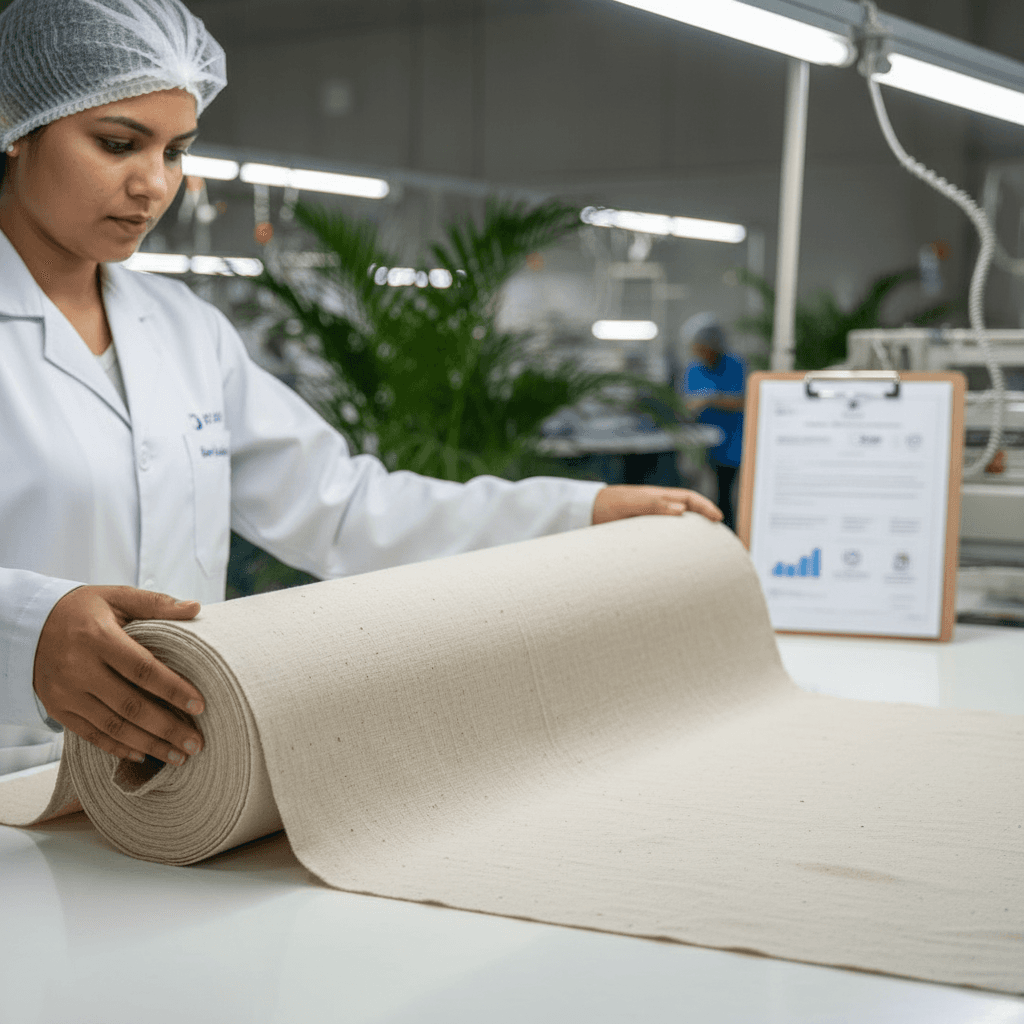
Fabric represents one of the largest cost components in apparel production. When sourcing materials for bulk production, you'll need to account for fabric costs, which typically range from 30 to 50 percent of the total manufacturing cost. Factors affecting fabric pricing include fiber content (cotton, polyester, blends), weight, finish, and minimum order quantities. Working with experienced factory partners who have established relationships with fabric mills can help you negotiate better pricing. Many Latin American factories have direct access to regional fabric suppliers, reducing lead times and transportation costs compared to importing fabrics from Asia.
Trim and Notions: The Hidden Cost Factor
Trims and notions—including buttons, zippers, labels, thread, and elastic—often get overlooked in cost calculations but can significantly impact your bottom line. Trim costs typically account for 5 to 15 percent of total production costs. When planning your wholesale trade operations, ensure you budget for all trim components and factor in minimum order quantities from trim suppliers. Many factories source trims locally or regionally, which can reduce lead times and improve supply chain reliability for your apparel manufacturing.
Labor Costs and Manufacturing Lead Times
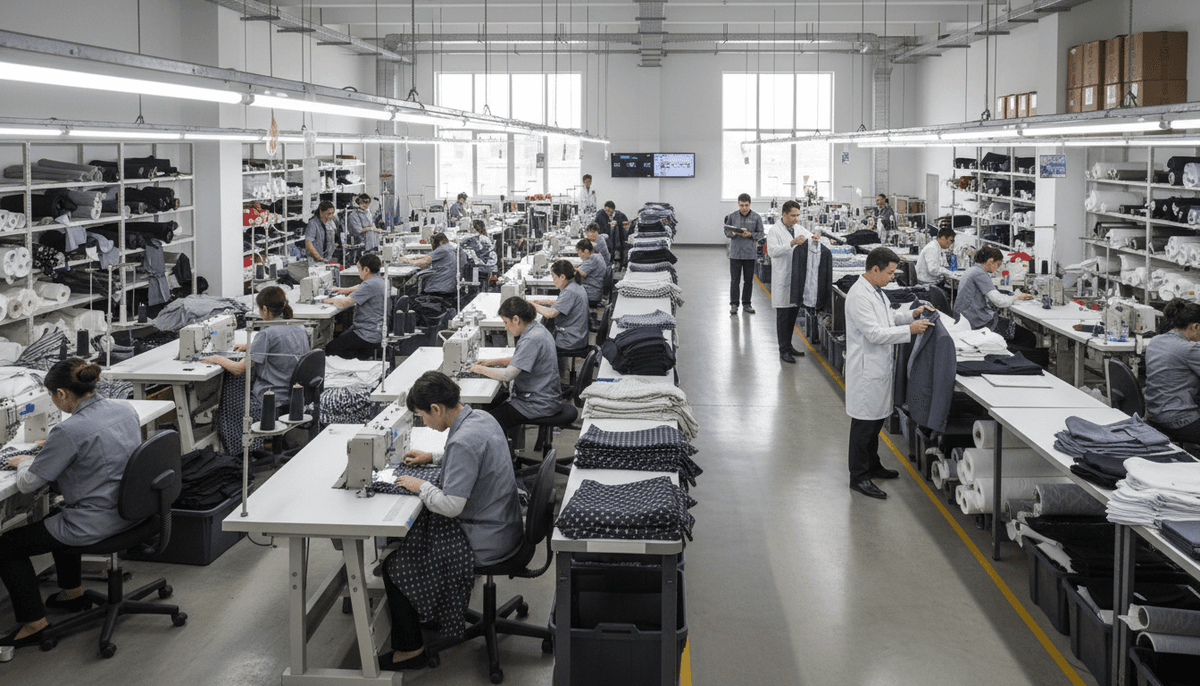
Labor represents another substantial portion of production costs, typically ranging from 15 to 30 percent of total manufacturing expenses. Labor costs vary significantly by geography—Latin American factories often offer competitive labor rates while maintaining high quality standards. Standard bulk production lead times range from 4 to 8 weeks after sample approval, depending on order volume, factory capacity, and complexity. Nearshoring to Latin America can reduce lead times by 2 to 3 weeks compared to Asian suppliers, allowing for faster inventory replenishment and more responsive product development cycles. This advantage is particularly valuable for brands pursuing agile manufacturing strategies.
Quality Control and Testing Costs
Quality control is non-negotiable in apparel production. Budget 2 to 5 percent of total production costs for QC activities, including in-process inspections, final inspections, and third-party testing. Testing may include colorfastness, shrinkage, tensile strength, and compliance with safety standards. Many factories in Latin America maintain ISO certifications and modern testing facilities, ensuring your products meet international quality standards. Investing in robust QC processes protects your brand reputation and reduces costly returns and customer complaints.
Shipping and Logistics Considerations
Transportation costs vary based on order volume, destination, and shipping method. Air freight is faster but more expensive, while ocean freight is economical for large shipments but requires longer lead times. Nearshoring to Latin American suppliers offers a significant advantage: reduced shipping distances and costs compared to Asian suppliers, plus faster delivery to North American markets. When calculating total landed costs for US imports, factor in freight, customs duties, and inland transportation to your distribution centers.
Total Cost Breakdown Example
For a typical cotton t-shirt produced in bulk, here's a realistic cost breakdown: fabric costs represent 35 percent, trims and notions 8 percent, labor 20 percent, overhead and factory profit 15 percent, quality control 5 percent, and packaging and shipping 17 percent. This totals approximately $4 to $6 per unit for a basic style, depending on fabric quality and order volume. Larger orders typically result in lower per-unit costs due to economies of scale.
Timeline Comparison: Latin America vs. Asia
Latin American nearshoring offers compelling timeline advantages. Sample development in Latin America typically takes 2 to 3 weeks versus 3 to 4 weeks in Asia. Bulk production lead times are 4 to 6 weeks in Latin America compared to 6 to 8 weeks in Asia. Shipping time from Latin America to the US is 1 to 2 weeks by truck or air, versus 3 to 4 weeks by ocean from Asia. Total time from design to delivery can be 2 to 3 weeks faster with Latin American suppliers, enabling faster iteration cycles and more responsive inventory management.
Strategies for Cost Optimization
To optimize your apparel production costs, consider consolidating orders to achieve minimum quantities and volume discounts. Work closely with your factory partner on factory discovery and supplier evaluation to identify opportunities for material substitution or process improvements. Negotiate payment terms that align with your cash flow needs. Implement lean manufacturing principles to reduce waste and improve efficiency. Consider nearshoring to Latin America to reduce lead times and transportation costs while maintaining quality standards. Building long-term relationships with reliable factory partners can lead to better pricing and priority production scheduling.
Choosing the Right Factory Partner
Selecting the right factory is crucial for managing timelines and costs effectively. Look for factories with experience in your specific product category, modern equipment, and strong quality management systems. Verify certifications such as SEDEX, BSCI, or SA8000 to ensure ethical manufacturing practices. Request references from other brands and conduct factory audits before committing to production. For US imports and wholesale trade operations, prioritize factories with experience navigating customs compliance and documentation requirements. Many Latin American factories specialize in nearshoring for North American brands and understand the unique requirements of the US market.
Conclusion
Understanding the complete timeline and cost breakdown for apparel production is essential for brand success. By accounting for all cost components—fabric, trims, labor, quality control, and logistics—you can make informed sourcing decisions and avoid costly surprises. Nearshoring to Latin American suppliers offers significant advantages in lead times, transportation costs, and supply chain responsiveness. For more insights on optimizing your apparel sourcing strategy, explore resources from industry leaders like Apparel Sourcing Magazine, Just Style, and Sourcing Journal. By partnering with experienced factories and implementing strategic sourcing practices, you can build a competitive advantage in the dynamic world of apparel manufacturing and wholesale trade.