Finding and Vetting Apparel Manufacturers: Beyond Alibaba and Trade Shows
- The Fragmentation Problem in Apparel Sourcing
- Beyond Alibaba: Alternative Sourcing Channels
- Latin American Manufacturing: An Underutilized Advantage
- Critical Red Flags During Manufacturer Evaluation
- Comprehensive Factory Evaluation Framework
- Stage One: Initial Screening
- Stage Two: Technical Assessment
- Stage Three: Compliance and Certification Review
- Stage Four: Financial and Operational Stability
- Stage Five: Reference Checks
- On-Site Factory Visits: What to Look For
- Building Long-Term Manufacturing Partnerships
- Leveraging Technology and Resources
- Conclusion: Making Informed Sourcing Decisions
Manufacturer discovery remains one of the most fragmented and challenging aspects of apparel sourcing. While Alibaba and international trade shows have long dominated the landscape, savvy importers and brand owners know that the best manufacturing partnerships often lie beyond these conventional channels. This comprehensive guide covers practical sourcing channels, critical red flags to watch, and proven evaluation methods to determine whether a factory can actually deliver on their promises—with special focus on Latin American manufacturing options.
The Fragmentation Problem in Apparel Sourcing
The global apparel manufacturing ecosystem is highly fragmented. Thousands of factories operate across multiple continents, each with different capabilities, quality standards, and reliability levels. Traditional sourcing methods like Alibaba and trade shows provide visibility into only a fraction of available manufacturers. Many of the most reliable and innovative factories never appear on these platforms, preferring to work through established relationships and industry networks. This fragmentation creates both opportunity and risk for importers seeking to build sustainable supply chains.
Beyond Alibaba: Alternative Sourcing Channels
While Alibaba remains a starting point for many sourcing professionals, it should never be your only channel. Consider these proven alternatives:
- Industry-Specific Directories: Organizations like the American Apparel and Footwear Association (AAFA) maintain vetted manufacturer databases. These directories often include factories that have already passed basic compliance and quality standards.
- Direct Networking: Attend regional industry events, join sourcing associations, and build relationships with freight forwarders and customs brokers who work directly with manufacturers. These professionals often have insider knowledge of reliable factories.
- Trade Missions and Government Programs: Many countries offer trade missions and export promotion programs. The U.S. Commercial Service and similar organizations in other countries can connect you with pre-vetted manufacturers.
- Sourcing Agents and Consultants: Experienced sourcing agents maintain networks of factories they've personally vetted. While they charge fees, their expertise can save significant time and reduce risk.
- LinkedIn and Professional Networks: Many factory owners and sourcing managers are active on LinkedIn. Direct outreach to manufacturing professionals can yield high-quality leads.
- Industry Publications: Trade journals and sourcing publications regularly feature manufacturer profiles and case studies. These often highlight innovative or specialized producers.
Latin American Manufacturing: An Underutilized Advantage
Latin America represents a significant but often overlooked sourcing region for apparel manufacturers. Countries like Colombia, Mexico, Guatemala, and Honduras offer distinct advantages for U.S. importers. Proximity to North American markets reduces lead times and transportation costs. Many Latin American factories specialize in higher-value products, technical textiles, and small-to-medium batch production. Additionally, factories in this region often have stronger labor compliance records and environmental standards compared to distant Asian competitors. The region's integration into trade agreements like USMCA provides tariff advantages for qualifying goods.
Critical Red Flags During Manufacturer Evaluation
Identifying unreliable manufacturers early saves time and money. Watch for these warning signs:
- Vague Responses to Technical Questions: Legitimate manufacturers can discuss their equipment, processes, and capabilities in detail. Evasive answers suggest limited actual production capacity.
- Pressure to Commit Quickly: Reputable factories understand that sourcing decisions require due diligence. Aggressive sales tactics indicate desperation or inexperience.
- Unwillingness to Provide References: Any manufacturer worth working with should provide contact information for existing clients. Refusal is a major red flag.
- Inconsistent Pricing: Dramatic price variations between quotes for identical specifications suggest either dishonesty or inability to control costs.
- Poor Communication: Slow email responses, language barriers without solutions, or unclear communication indicate operational challenges.
- No Visible Quality Control Process: Ask about their QC procedures, testing protocols, and defect rates. Vague answers suggest inadequate quality management.
- Unwillingness to Discuss Compliance: Factories should openly discuss labor practices, environmental compliance, and certifications. Resistance is concerning.
- Unrealistic Lead Times: If a manufacturer promises impossibly fast turnaround on complex orders, they're either lying or cutting corners on quality.
Comprehensive Factory Evaluation Framework
A systematic evaluation process reduces risk and ensures you partner with capable manufacturers. Follow this framework:
Stage One: Initial Screening
Request detailed information about the factory's history, ownership structure, and primary product categories. Ask for their production capacity, typical order minimums, and lead times. Request a list of current clients and certifications. Legitimate manufacturers should provide this information readily. Use this stage to eliminate obvious poor fits and unqualified producers.
Stage Two: Technical Assessment
Discuss your specific product requirements in detail. Ask the manufacturer to explain their production process, equipment specifications, and quality control measures. Request samples of similar products they've produced. Evaluate whether their capabilities align with your needs. Ask about their experience with your specific product category and any technical challenges they've overcome.
Stage Three: Compliance and Certification Review
Verify certifications relevant to your industry. For apparel, look for ISO 9001 (quality management), OEKO-TEX (chemical safety), or Fair Trade certifications. Request documentation of labor compliance audits. Ask about their environmental practices and waste management. Verify that they comply with local labor laws and international standards. Consider requesting a third-party audit if the order volume justifies the expense.
Stage Four: Financial and Operational Stability
Assess the manufacturer's financial health and operational stability. Ask about their supply chain for raw materials. Understand their payment terms and whether they require deposits. Evaluate their inventory management practices. Ask about their contingency plans for equipment failures or supply disruptions. Financially unstable manufacturers may struggle to fulfill large orders or maintain quality.
Stage Five: Reference Checks
Contact existing clients directly. Ask about their experience with quality, timeliness, communication, and problem-solving. Inquire about any issues they've encountered and how the manufacturer handled them. Ask whether they would recommend the factory for similar products. Reference checks provide invaluable real-world insights that manufacturers won't volunteer.
On-Site Factory Visits: What to Look For
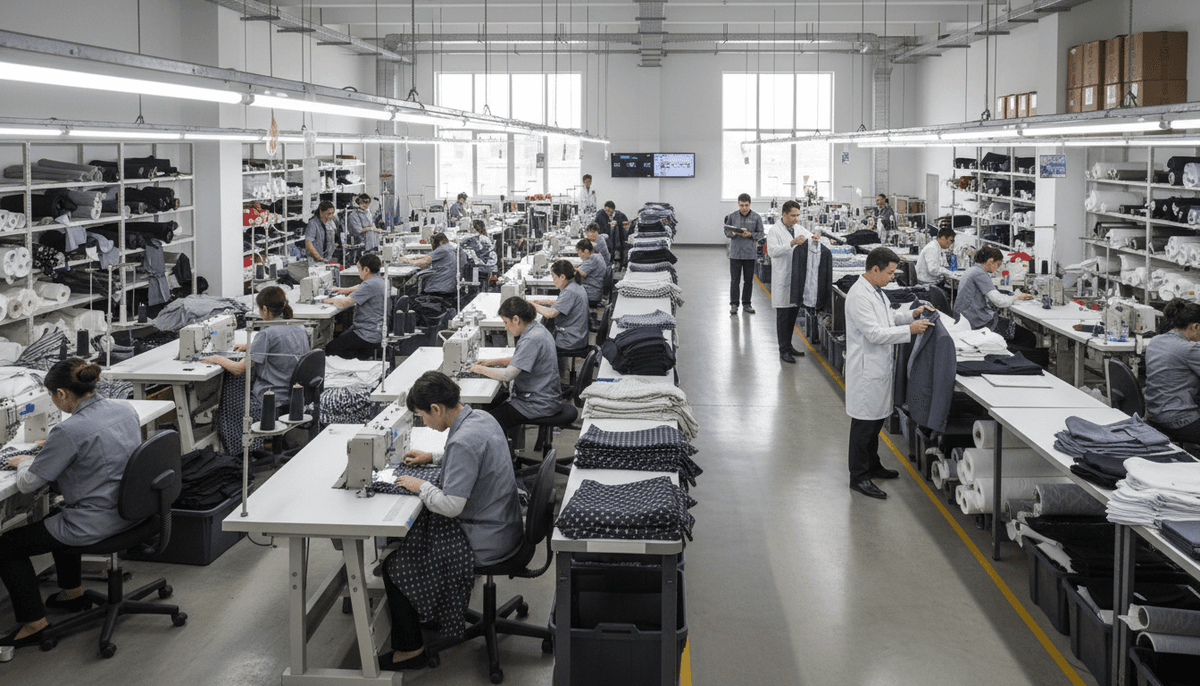
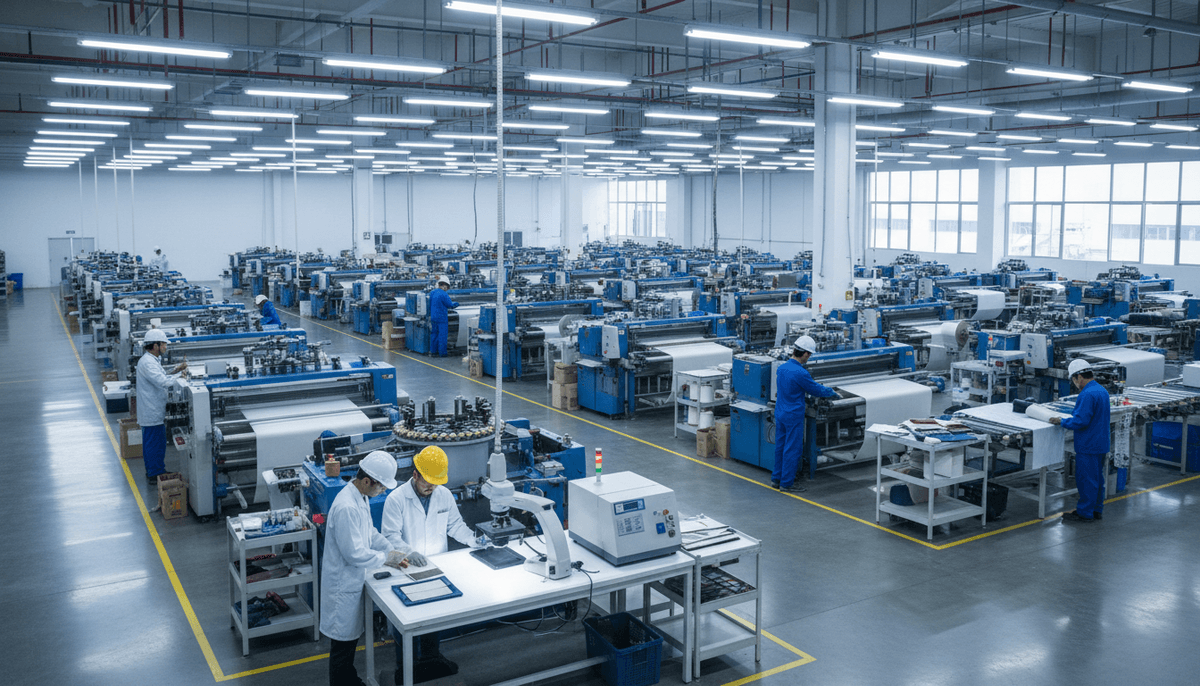
When possible, visit potential manufacturers in person. Factory visits reveal details that remote communication cannot. Observe the overall cleanliness and organization of the facility. Check whether equipment appears well-maintained and modern. Look for evidence of quality control processes and testing equipment. Observe worker conditions and safety practices. Speak with production managers about their processes and challenges. Ask to see production records and quality documentation. A well-organized, clean facility with engaged workers and visible quality processes indicates a professional operation.
Building Long-Term Manufacturing Partnerships
Once you've identified a qualified manufacturer, invest in building a strong partnership. Start with smaller orders to establish working relationships and verify their capabilities. Provide clear specifications and communicate expectations explicitly. Establish regular communication cadences. Share forecasts and demand planning information when possible. Treat your manufacturer as a partner, not just a vendor. Reliable manufacturers appreciate clients who are organized, communicative, and fair in their dealings. Long-term partnerships reduce costs, improve quality, and create stability for both parties.
Leveraging Technology and Resources
Modern sourcing professionals use technology to streamline manufacturer evaluation. Alibaba remains useful for initial research despite its limitations. Thomas Industrial Network provides detailed manufacturer profiles and verification. GlobalSpec offers industry-specific supplier directories. LinkedIn enables direct networking with manufacturing professionals. Industry associations maintain vetted supplier lists. Sourcing software platforms help track communications, specifications, and evaluations across multiple manufacturers. Leverage these tools to build a comprehensive view of available manufacturers and streamline your evaluation process.
Conclusion: Making Informed Sourcing Decisions
Finding and vetting apparel manufacturers requires systematic evaluation, thorough due diligence, and willingness to look beyond conventional channels. By understanding the fragmented nature of global manufacturing, exploring alternative sourcing channels including underutilized Latin American options, and implementing a comprehensive evaluation framework, you can identify manufacturers capable of delivering quality products reliably. The investment in proper vetting upfront prevents costly mistakes, quality issues, and supply chain disruptions later. Whether you're sourcing from established Asian manufacturers or exploring emerging Latin American producers, the principles of careful evaluation and relationship building remain constant. Success in apparel sourcing depends not on finding the cheapest manufacturer, but on finding the right manufacturer for your specific needs, capabilities, and values.