How Apparel Products Are Imported Into the USA Step-by-Step - A Brand Owner's Guide
- Understanding US Apparel Import Regulations
- Finding and Vetting Apparel Factories and Suppliers
- Negotiating Pricing and Terms with Manufacturers
- Managing Product Development and Quality Control
- Navigating Tariffs and Harmonized Tariff Codes
- Arranging Shipping and Logistics
- Preparing Customs Documentation and Compliance
- Clearing Customs and Receiving Your Shipment
- Understanding Landed Costs and Pricing Strategy
- Building Long-Term Supplier Relationships
- Staying Compliant with Labor and Ethical Standards
- Leveraging Technology and Trade Resources
- Common Mistakes to Avoid When Importing Apparel
- Scaling Your Apparel Import Business
Importing apparel products into the United States is a complex process that requires understanding tariffs, regulations, logistics, and compliance requirements. Whether you're a brand owner sourcing from overseas factories or a wholesale trader looking to expand your product line, this comprehensive guide will walk you through each step of the US apparel import process.
Understanding US Apparel Import Regulations
Before you begin importing apparel products, you must understand the regulatory framework governing textile and clothing imports. The US Customs and Border Protection (CBP) enforces strict rules on country of origin, labeling, and product safety. All apparel must comply with the Textile Fiber Products Identification Act (TFPIA), which requires accurate fiber content labeling. Additionally, apparel imports are subject to quotas and tariffs that vary by product category and country of origin. Working with a customs broker or trade compliance expert can help you navigate these regulations and avoid costly delays.
Finding and Vetting Apparel Factories and Suppliers
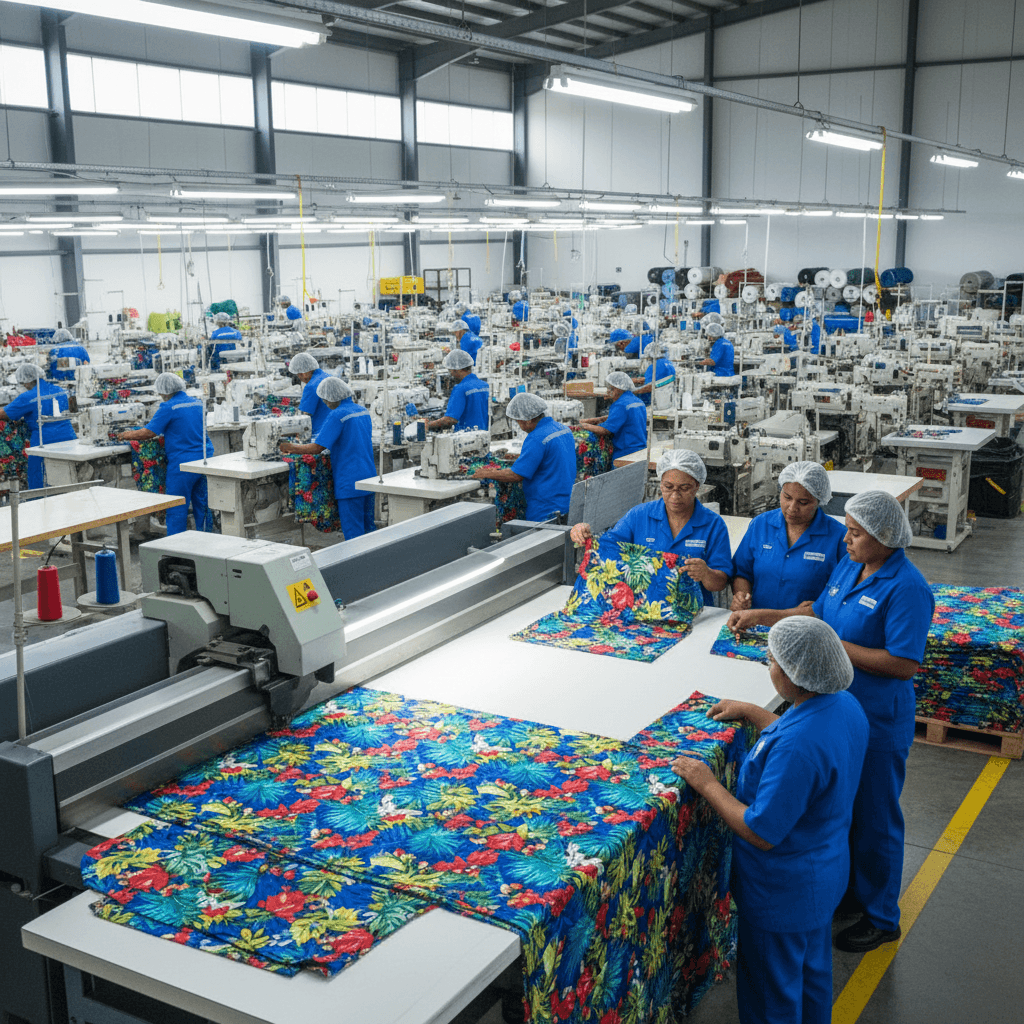
The first practical step in importing apparel is identifying reliable factories and wholesale suppliers. Factory discovery platforms and trade shows are excellent resources for connecting with manufacturers in key sourcing regions like Vietnam, China, India, and Bangladesh. When evaluating potential suppliers, request samples, verify their certifications (such as SEDEX or BSCI for ethical manufacturing), and conduct background checks. Ask about their production capacity, lead times, minimum order quantities (MOQs), and quality control processes. Building relationships with multiple suppliers reduces risk and ensures you have backup options if one factory faces production delays.
Negotiating Pricing and Terms with Manufacturers
Once you've identified potential factories, the negotiation phase begins. Request detailed quotes that break down material costs, labor, overhead, and profit margins. Understand the difference between FOB (Free on Board) and CIF (Cost, Insurance, and Freight) pricing models. FOB pricing means you pay for shipping and insurance separately, while CIF includes these costs. Negotiate payment terms—many factories require deposits (typically 30-50%) before production begins, with the balance due before shipment. Consider requesting price breaks for larger orders and discuss payment methods such as wire transfers, letters of credit, or escrow services. Document all agreements in writing to prevent misunderstandings.
Managing Product Development and Quality Control
Before mass production, work with your factory on product development and sampling. Request multiple rounds of samples to ensure the apparel meets your specifications for fit, color, fabric quality, and construction. Establish clear quality standards and inspection protocols. Many importers hire third-party quality control inspectors to conduct pre-shipment inspections (PSI) at the factory. These inspections verify that products meet agreed-upon standards before they leave the manufacturing facility. Document all quality requirements in your purchase order and maintain detailed records of approvals and revisions.
Navigating Tariffs and Harmonized Tariff Codes
Apparel products are classified under specific Harmonized Tariff Schedule (HTS) codes, which determine the applicable tariff rates. These codes are based on fiber content, garment type, and construction method. For example, cotton t-shirts have different tariff rates than synthetic blends or wool sweaters. Tariff rates vary significantly by country of origin due to trade agreements like USMCA (United States-Mexico-Canada Agreement) or GSP (Generalized System of Preferences). Misclassifying products can result in penalties and delays. Work with a customs broker to ensure proper HTS classification and to explore tariff optimization strategies. Understanding these codes is crucial for accurate cost calculations and wholesale pricing.
Arranging Shipping and Logistics
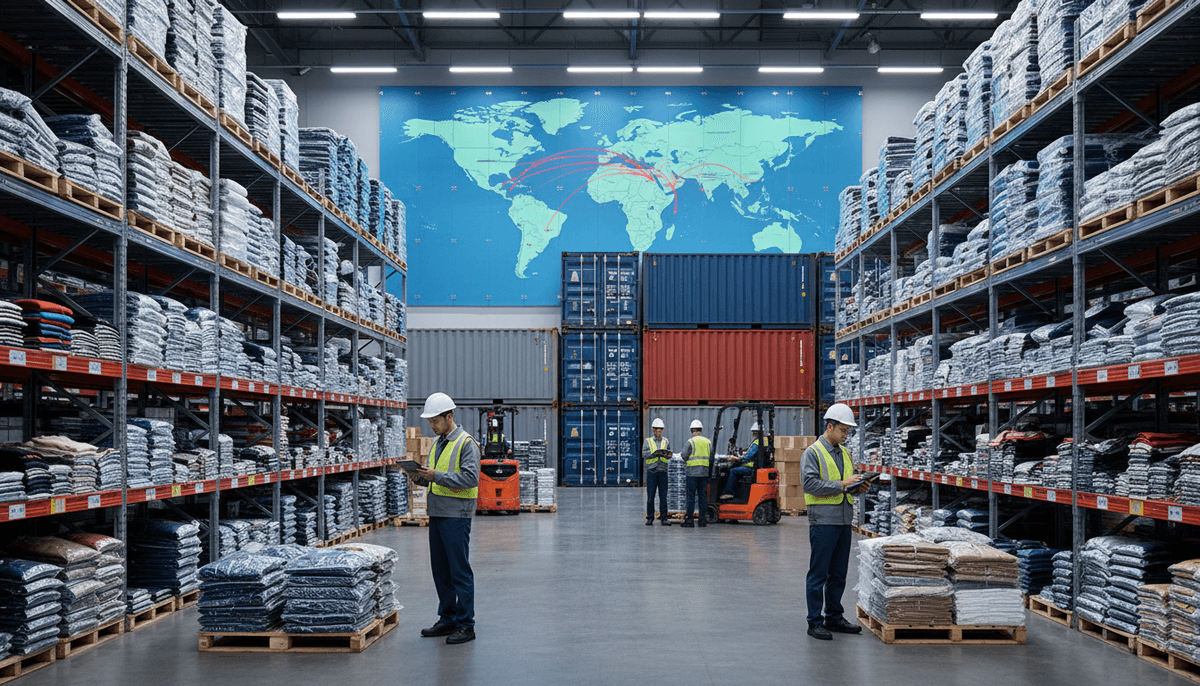
Once production is complete and quality inspections pass, you'll need to arrange shipping. Most apparel imports use ocean freight, which is more economical than air freight for large volumes. You can choose between Full Container Load (FCL) or Less Than Container Load (LCL) shipping depending on your order volume. FCL is more cost-effective for larger shipments, while LCL works for smaller orders but may have higher per-unit costs. Coordinate with freight forwarders who specialize in apparel imports—they handle documentation, customs clearance, and delivery to your warehouse. Factor in lead times, which typically range from 4-8 weeks for ocean freight from Asia to the US West Coast.
Preparing Customs Documentation and Compliance
Proper documentation is essential for smooth customs clearance. You'll need a commercial invoice, packing list, bill of lading, and certificate of origin. The commercial invoice must include detailed product descriptions, quantities, unit prices, and total value. The certificate of origin proves where the apparel was manufactured and determines eligibility for preferential tariff rates. Ensure all labels comply with FTC (Federal Trade Commission) requirements, including fiber content, country of origin, and manufacturer information. Some apparel categories require additional certifications, such as flammability standards for children's sleepwear. Failing to meet these requirements can result in shipment detention or rejection at the port.
Clearing Customs and Receiving Your Shipment
When your apparel shipment arrives at a US port, it enters the customs clearance process. Your customs broker will submit entry documents to CBP and pay applicable duties and tariffs. CBP may conduct a physical examination of your shipment to verify contents and compliance. This process typically takes 3-7 business days, though it can be longer if issues arise. Once cleared, your shipment is released for delivery to your warehouse or distribution center. Keep detailed records of all import documentation, including entry numbers and duty payments, for your accounting and compliance records.
Understanding Landed Costs and Pricing Strategy
The total cost of imported apparel includes more than just the factory price. Landed costs encompass the product cost, shipping, insurance, tariffs, customs broker fees, and any additional handling charges. Calculate your landed cost per unit accurately to ensure profitable wholesale pricing. Many brand owners use a markup of 2-3 times the landed cost for wholesale pricing, depending on market conditions and competition. Understanding your true landed costs helps you make informed decisions about supplier selection, order volumes, and pricing strategy. Use spreadsheets or import management software to track these costs across multiple shipments and suppliers.
Building Long-Term Supplier Relationships
Successful apparel importing relies on strong relationships with factories and suppliers. Regular communication, fair payment practices, and consistent orders build trust and can lead to better pricing, priority production slots, and improved quality. Visit your suppliers in person when possible to understand their operations and demonstrate commitment. Provide advance forecasts of your seasonal needs so factories can plan production capacity. Consider long-term partnerships with key suppliers rather than constantly switching to find the lowest price—stability often results in better quality and reliability. Many experienced importers maintain relationships with 2-3 primary suppliers plus backup options for risk mitigation.
Staying Compliant with Labor and Ethical Standards
US consumers and retailers increasingly demand ethically sourced apparel. Ensure your suppliers comply with labor laws, including fair wages, safe working conditions, and restrictions on child labor. Request certifications from recognized auditing organizations such as SEDEX or BSCI. Conduct periodic audits of your suppliers' facilities to verify compliance. Many major retailers require their suppliers to meet specific ethical standards before placing orders. Building a reputation for ethical sourcing can be a competitive advantage in the market and helps you avoid reputational damage and potential legal issues.
Leveraging Technology and Trade Resources
Modern apparel importers use technology to streamline operations. Import management platforms help track shipments, manage documentation, and calculate costs. Trade databases and industry publications provide market intelligence on tariff changes, supplier performance, and industry trends. Organizations like the US Fashion Industry Association and American Apparel and Footwear Association offer resources and networking opportunities. Stay informed about changes in trade policy, tariffs, and regulations that could impact your import costs and timelines. Joining industry groups and attending trade shows connects you with other importers, suppliers, and service providers.
Common Mistakes to Avoid When Importing Apparel
Many first-time apparel importers make costly mistakes. Underestimating lead times can result in stockouts and missed sales opportunities. Failing to verify supplier credentials can lead to quality issues or ethical violations. Misclassifying products for tariff purposes invites CBP penalties. Neglecting to budget for all landed costs results in unprofitable pricing. Ordering too much inventory without market validation ties up capital and creates storage problems. Working with inexperienced customs brokers can cause delays and compliance issues. Avoid these pitfalls by thoroughly planning your import strategy, working with experienced partners, and building in contingency time and budget.
Scaling Your Apparel Import Business
As your import business grows, you'll need to scale operations strategically. Increase order volumes gradually to build relationships with suppliers and test market demand. Diversify your supplier base across multiple countries to reduce risk and access different product categories. Invest in warehouse management systems and inventory tracking to optimize stock levels. Consider hiring dedicated import specialists or working with freight forwarders who can manage multiple shipments simultaneously. Explore opportunities to work directly with factories rather than through middlemen to improve margins. Monitor market trends and adjust your product mix based on customer demand and wholesale pricing dynamics.
Importing apparel into the USA requires careful planning, attention to detail, and ongoing education about regulations and market conditions. By following this step-by-step guide and building strong relationships with reliable suppliers and service providers, you can successfully establish a profitable apparel import business. For more information on US import regulations, visit the US Customs and Border Protection website. Stay informed about tariff changes by checking the US International Trade Commission, and consider consulting with a customs broker for personalized guidance on your specific import needs.