Nearshoring Apparel Production: Why Latin America is Becoming the Strategic Alternative to Asia
- The Nearshoring Imperative: Why Companies Are Rethinking Asia
- Latin American Apparel Production Capabilities by Country
- Mexico: The Nearshoring Leader
- Colombia: Textile Innovation Hub
- Guatemala and Central America: Volume Production
- Peru and Ecuador: Specialty Textiles
- Product Categories Best Suited for Latin American Production
- Managing the Transition from Asian Suppliers
- Supplier Evaluation and Factory Discovery
- Quality Assurance and Standards Alignment
- Capacity Planning and Volume Commitments
- Logistics and Supply Chain Integration
- The Business Case for Nearshoring Apparel
- Challenges and Considerations
- Future Outlook: Latin America's Growing Role in Global Apparel Supply Chains
The global apparel supply chain is undergoing a seismic shift. With 56% of executives planning nearshoring or reshoring strategies in 2026, Latin America has emerged as a compelling alternative to traditional Asian manufacturing hubs. This transformation reflects changing business priorities, geopolitical considerations, and the need for greater supply chain resilience in the apparel and textile industries.
The Nearshoring Imperative: Why Companies Are Rethinking Asia
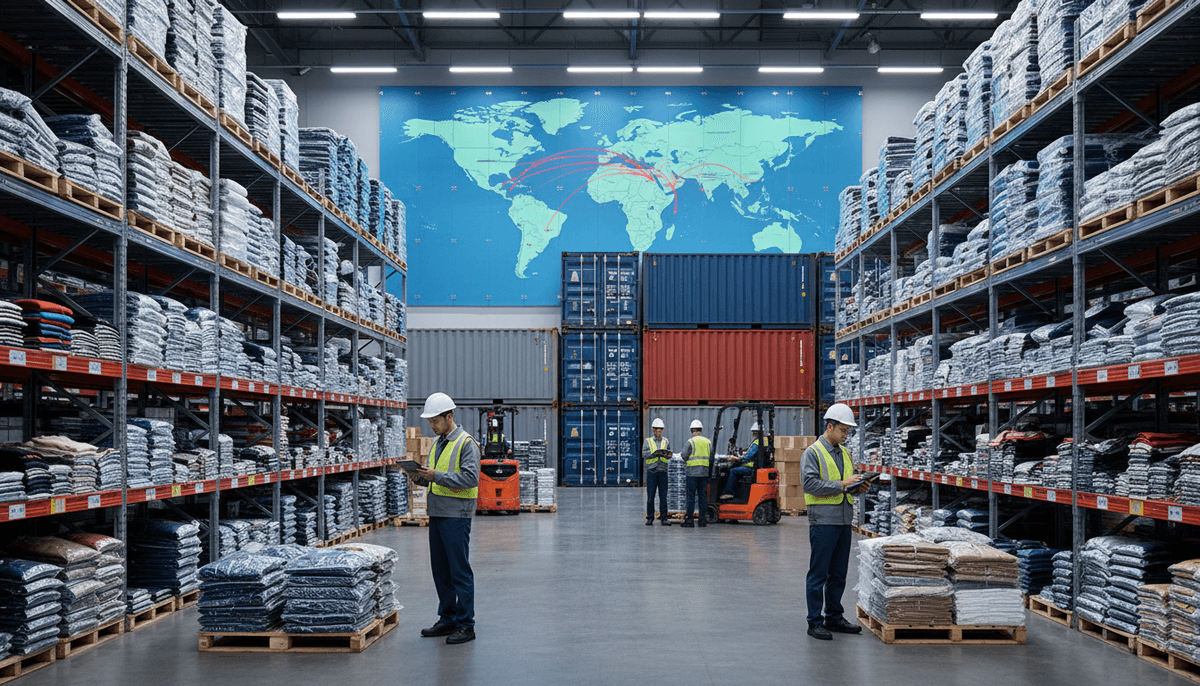
For decades, Asia dominated apparel production due to low labor costs and established manufacturing infrastructure. However, rising labor costs in Vietnam, Cambodia, and Bangladesh, combined with extended lead times and supply chain vulnerabilities exposed by recent global disruptions, have prompted brands and retailers to reconsider their sourcing strategies. Nearshoring to Latin America offers proximity to North American markets, faster turnaround times, and the ability to respond more quickly to consumer demand trends.
The shift toward nearshoring represents a fundamental change in how companies evaluate total cost of ownership. While unit costs may be slightly higher in Latin America compared to Southeast Asia, the reduction in logistics costs, inventory carrying costs, and time-to-market advantages create compelling financial justification for the transition.
Latin American Apparel Production Capabilities by Country
Latin America possesses diverse and sophisticated apparel manufacturing capabilities across multiple countries, each with distinct strengths in product categories and technical expertise.
Mexico: The Nearshoring Leader
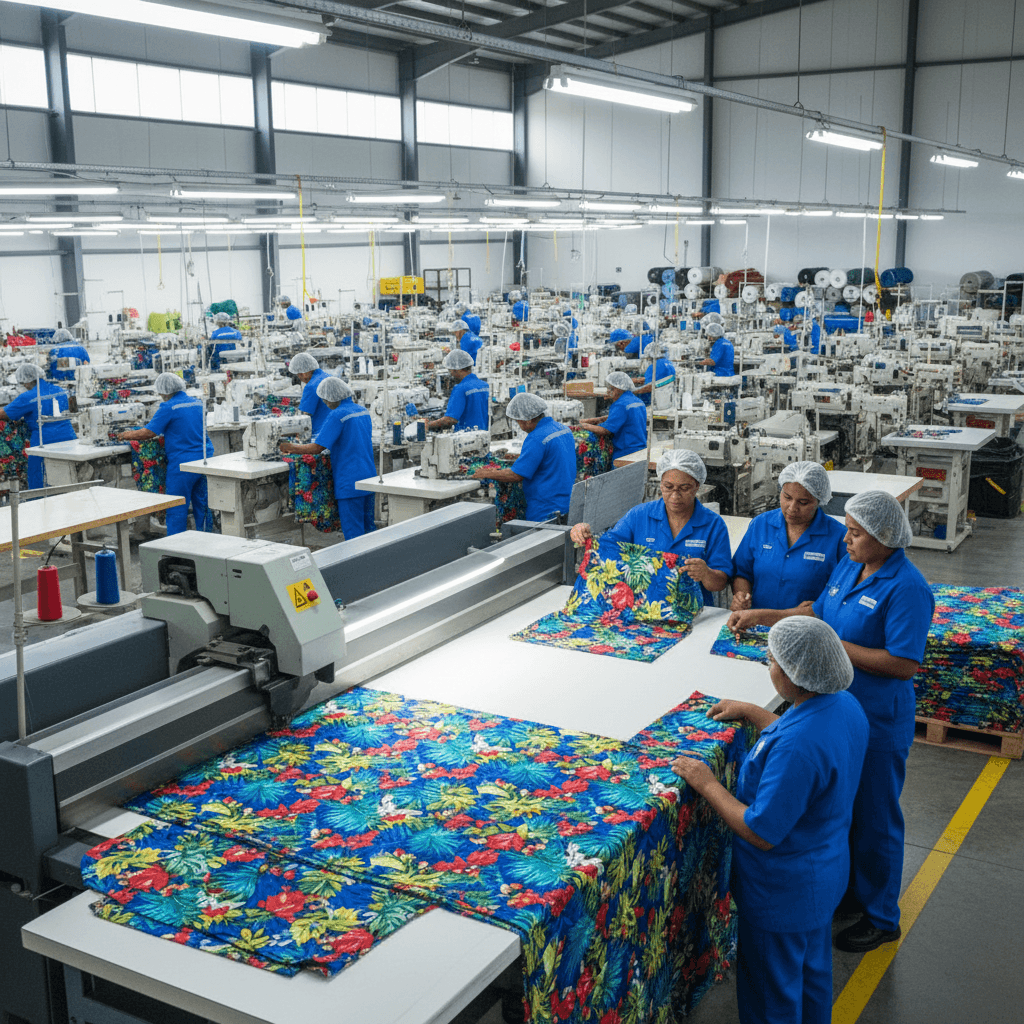
Mexico remains the dominant player in Latin American apparel production, particularly for denim, casual wear, and performance fabrics. Mexican factories benefit from proximity to the United States, established quality standards, and integration with North American supply chains. The country's manufacturing base includes both large-scale operations and specialized facilities capable of producing complex technical garments. Mexico's advantage extends to its ability to handle quick-turn orders and seasonal adjustments, making it ideal for brands seeking flexibility in their product sourcing strategy.
Colombia: Textile Innovation Hub
Colombia has positioned itself as a center for textile innovation and specialty fabrics. The country's apparel manufacturers excel in producing high-quality basics, activewear, and garments requiring advanced fabric treatments. Colombian factories are increasingly adopting sustainable manufacturing practices and investing in automation, making them attractive to brands prioritizing environmental responsibility in their wholesale trade operations.
Guatemala and Central America: Volume Production
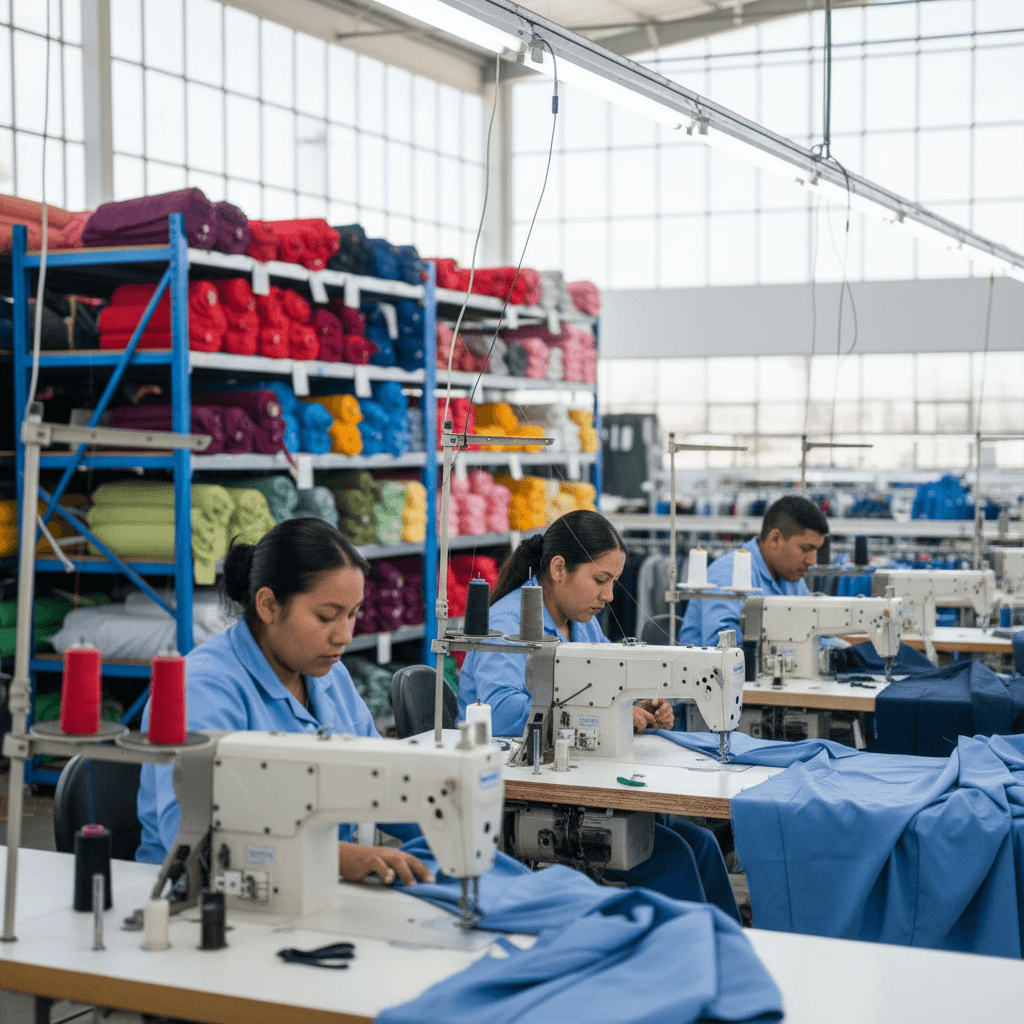
Guatemala, El Salvador, and Honduras offer cost-competitive apparel production for basic and mid-tier products. These countries provide significant volume capacity for t-shirts, basic knits, and simple woven garments. Their manufacturing base is well-suited for brands seeking to diversify away from single-country dependencies while maintaining competitive pricing in their US imports strategy.
Peru and Ecuador: Specialty Textiles
Peru and Ecuador specialize in natural fiber production, including cotton and alpaca-based apparel. These countries are particularly strong in sustainable and premium product categories, appealing to brands emphasizing ethical sourcing and environmental stewardship in their product sourcing decisions.
Product Categories Best Suited for Latin American Production
Not all apparel products are equally suited for nearshoring. Understanding which product categories benefit most from Latin American production is essential for developing an effective sourcing strategy.
Denim and Heavy Fabrics: Mexico and Colombia excel in denim production, offering quality comparable to Asian manufacturers with significantly faster lead times. This category represents one of the strongest opportunities for nearshoring.
Activewear and Performance Fabrics: Latin American manufacturers have invested heavily in technical textile capabilities, making them competitive in the growing activewear segment. Colombian and Mexican factories produce high-performance fabrics for athletic and outdoor apparel.
Basics and Essentials: T-shirts, basic knits, and fundamental wardrobe items are well-suited for Central American production, where cost structures remain competitive while maintaining quality standards.
Seasonal and Trend-Driven Products: The speed-to-market advantage of nearshoring makes Latin America ideal for fashion-forward items requiring rapid production and quick inventory replenishment.
Sustainable and Premium Products: Brands emphasizing sustainability, fair labor practices, and premium positioning benefit from Latin American production, particularly from Colombia, Peru, and Ecuador.
Managing the Transition from Asian Suppliers
Transitioning from established Asian supply chains to Latin American manufacturers requires careful planning and strategic execution. Companies must address several critical considerations to ensure successful factory discovery and supplier integration.
Supplier Evaluation and Factory Discovery
Identifying qualified apparel manufacturers in Latin America requires systematic evaluation of production capabilities, quality standards, and compliance certifications. Brands should assess factories across multiple dimensions including technical capacity, quality management systems, labor practices, environmental compliance, and financial stability. Working with sourcing specialists familiar with the Latin American manufacturing landscape can accelerate factory discovery and reduce risk.
Quality Assurance and Standards Alignment
Establishing consistent quality standards across new suppliers is essential. Brands must communicate detailed specifications, conduct pre-production samples, and implement robust quality control processes. Many Latin American manufacturers maintain certifications such as SEDEX, BSCI, or SA8000, demonstrating commitment to ethical and quality standards.
Capacity Planning and Volume Commitments
Latin American factories may have different capacity profiles than Asian counterparts. Brands must align production volumes with supplier capabilities and negotiate realistic lead times. Building long-term partnerships with committed volume commitments helps suppliers invest in equipment and training, improving efficiency and quality over time.
Logistics and Supply Chain Integration
Nearshoring reduces transportation time but requires integration with North American logistics networks. Brands should evaluate port infrastructure, customs procedures, and inland transportation options. Proximity to US markets enables more frequent shipments and smaller order quantities, improving inventory management and reducing working capital requirements.
The Business Case for Nearshoring Apparel
The financial justification for nearshoring extends beyond simple unit cost comparisons. A comprehensive total cost of ownership analysis typically reveals significant advantages:
- Reduced lead times enable faster inventory turns and lower safety stock requirements
- Lower logistics costs offset modest increases in manufacturing labor costs
- Improved supply chain visibility and reduced geopolitical risk
- Enhanced ability to respond to market trends and consumer demand fluctuations
- Reduced working capital tied up in inventory and in-transit goods
- Improved sustainability metrics through shorter transportation distances
Challenges and Considerations
While nearshoring offers substantial benefits, brands must acknowledge and address inherent challenges. Latin American manufacturers may require investment in technology and training to match Asian competitors' efficiency levels. Some specialized product categories remain more cost-effective to source from Asia. Additionally, brands must navigate different regulatory environments, labor practices, and business cultures across multiple Latin American countries.
Currency fluctuations, particularly regarding the US dollar, can impact pricing stability. Brands should develop hedging strategies and negotiate pricing terms that account for currency volatility in their wholesale trade agreements.
Future Outlook: Latin America's Growing Role in Global Apparel Supply Chains
The trend toward nearshoring is expected to accelerate through 2026 and beyond. As more brands establish Latin American supply chains, the region's manufacturing infrastructure will continue to develop and specialize. Investment in automation, sustainability, and technical capabilities will enhance competitiveness and expand the range of products suitable for regional production.
For brands seeking to optimize their US imports strategy and reduce supply chain risk, Latin America represents a strategic opportunity. The combination of geographic proximity, improving manufacturing capabilities, and competitive pricing creates a compelling value proposition for apparel sourcing decisions.
To learn more about nearshoring trends and Latin American manufacturing capabilities, brands should consult industry resources and connect with sourcing specialists experienced in product sourcing and factory discovery across the region. The transition from traditional Asian suppliers to Latin American manufacturers represents not merely a cost optimization exercise, but a fundamental restructuring of global apparel supply chains for greater resilience, speed, and sustainability. For more insights on this transformation, explore McKinsey's analysis of fashion retail transformation, Supply Chain Brain's nearshoring strategies, and Just Style's coverage of nearshoring in apparel. Additionally, Sourcing Journal's Latin America manufacturing insights and Textile Exchange's sustainability reports provide valuable context for understanding the broader implications of this supply chain shift.