Bangladesh-US Zero-Tariff Textile Deal & Competitive Dynamics
- Understanding the February 2026 Agreement
- The Zero-Tariff Advantage for Bangladesh Exporters
- India's 18% Tariff Burden and Market Implications
- Strategic Sourcing Considerations for US Importers
- Factory Discovery and Supplier Evaluation in Bangladesh
- Competitive Dynamics and Market Consolidation
- Navigating Compliance and Input Sourcing Requirements
- Long-Term Strategic Implications for South Asian Sourcing
- Practical Steps for Importers to Optimize Sourcing Strategy
Understanding the February 2026 Agreement
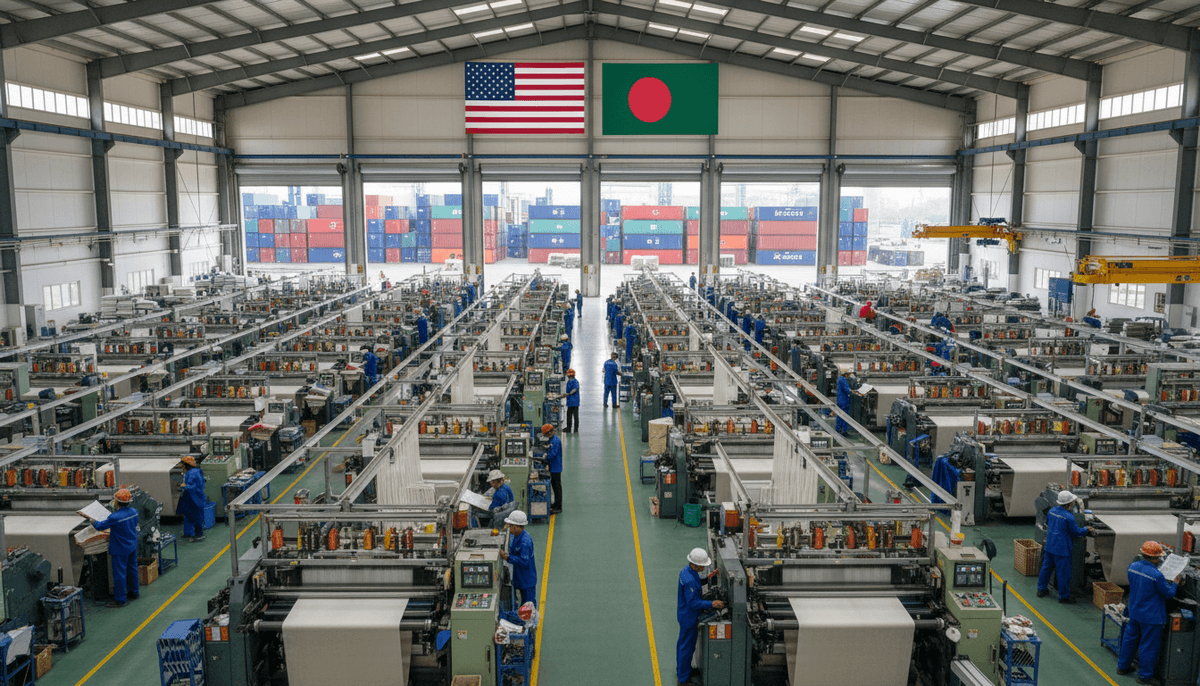
In February 2026, Bangladesh and the United States finalized a groundbreaking zero-tariff agreement on select textile and apparel products manufactured with US-sourced inputs. This landmark trade deal fundamentally reshapes the competitive landscape for apparel sourcing across South Asia, creating significant opportunities for importers and wholesale buyers sourcing from Bangladesh while simultaneously pressuring competitors in neighboring markets like India.
The Zero-Tariff Advantage for Bangladesh Exporters
Under this new agreement, Bangladeshi textile manufacturers and apparel factories gain a substantial competitive edge by offering duty-free access to the US market for products incorporating American-sourced materials and components. This incentive structure encourages vertical integration within the supply chain, as factories must source inputs from US suppliers to qualify for preferential tariff treatment. For US importers and product sourcing professionals, this creates opportunities to work with established Bangladesh factories that have already developed relationships with American textile suppliers.
India's 18% Tariff Burden and Market Implications
Conversely, Indian apparel and textile exporters face an 18% tariff on comparable products, creating a significant cost disadvantage in the US market. This tariff differential means that wholesale buyers and importers must carefully evaluate their sourcing strategies, as Indian-made products now carry substantially higher landed costs compared to Bangladesh alternatives. The tariff gap incentivizes a shift in factory discovery and supplier evaluation toward Bangladesh-based manufacturers, potentially disrupting established sourcing relationships with Indian suppliers.
Strategic Sourcing Considerations for US Importers
For companies engaged in product sourcing and US imports, this agreement presents several critical decision points. Importers must assess whether their current supply chain configuration optimizes for the new tariff environment. Key considerations include:
- Evaluating Bangladesh factory capabilities and certifications for your specific product categories
- Understanding the US-sourced input requirements and their impact on total landed costs
- Assessing supply chain flexibility to shift production or source inputs from alternative suppliers
- Reviewing existing contracts with Indian suppliers to determine renegotiation opportunities
- Analyzing the total cost of ownership including tariffs, logistics, and quality compliance
Factory Discovery and Supplier Evaluation in Bangladesh
The agreement accelerates the need for comprehensive factory discovery in Bangladesh. Importers should prioritize identifying and vetting Bangladesh textile and apparel manufacturers that meet their quality standards, compliance requirements, and production capacity. The Bangladesh Garment Manufacturers and Exporters Association (BGMEA) serves as a valuable resource for locating certified factories. Additionally, working with experienced sourcing agents and conducting on-site factory audits becomes increasingly important as importers expand their Bangladesh supplier base.
Competitive Dynamics and Market Consolidation
This tariff disparity is likely to accelerate consolidation within the apparel sourcing industry. Larger importers with established Bangladesh relationships and the ability to absorb transition costs will gain market share, while smaller competitors may struggle to adapt their supply chains quickly. The agreement also incentivizes Bangladesh factories to invest in capacity expansion and technology upgrades to capture increased demand from US importers seeking to minimize tariff exposure.
Navigating Compliance and Input Sourcing Requirements
To qualify for zero-tariff treatment, Bangladesh manufacturers must demonstrate that their products incorporate US-sourced inputs meeting specific content thresholds. This requirement creates opportunities for US textile suppliers and component manufacturers but also adds complexity to the sourcing process. Importers must work closely with their Bangladesh factories to ensure proper documentation and compliance with rules of origin requirements. The US Trade Representative's office provides detailed guidance on tariff classifications and preferential trade agreement requirements.
Long-Term Strategic Implications for South Asian Sourcing
Beyond immediate tariff advantages, this agreement signals a broader shift in US trade policy toward Bangladesh, potentially opening doors for expanded preferential treatment in other product categories. Importers should monitor US Department of Commerce announcements regarding potential extensions of the agreement or similar arrangements with other South Asian suppliers. The competitive pressure on Indian exporters may also prompt policy responses that could further reshape the regional sourcing landscape.
Practical Steps for Importers to Optimize Sourcing Strategy
Companies looking to capitalize on this opportunity should begin by conducting a comprehensive audit of their current apparel and textile sourcing footprint. Identify products currently sourced from India that could be transitioned to Bangladesh manufacturers, calculate the tariff savings potential, and evaluate the feasibility of switching suppliers. Engage with established wholesale trade platforms and industry directories to identify pre-vetted Bangladesh factories. Consider hiring local sourcing consultants with deep knowledge of Bangladesh's manufacturing ecosystem to accelerate factory discovery and supplier relationship development.
The Bangladesh-US zero-tariff textile deal represents a significant inflection point in global apparel sourcing. Importers who quickly adapt their supply chain strategies to leverage this agreement will gain competitive advantages in pricing and market positioning, while those who delay risk losing market share to more agile competitors. Success requires proactive factory discovery, rigorous supplier evaluation, and careful attention to compliance requirements, but the potential cost savings and supply chain optimization opportunities make this transition a strategic imperative for forward-thinking importers and wholesale buyers.