The Tariff Crisis in Apparel & Textiles - 2026 Supply Chain Restructuring
- The Tariff Crisis in Apparel & Textiles: 2026 Supply Chain Restructuring
- The Tariff Explosion: What Changed and Why
- The Price Impact: 21% Short-Term, 6% Long-Term Increases
- The Asian Exodus: Vietnam, Bangladesh, Cambodia, and Indonesia Under Pressure
- The Shift to Mexico, Central America, and Africa
- Strategic Sourcing Responses: Nearshoring and Diversification
- The Factory Discovery Challenge
- Consumer Pricing and Market Dynamics
- Looking Ahead: 2026 and Beyond
The Tariff Crisis in Apparel & Textiles: 2026 Supply Chain Restructuring
The apparel and textile industry faces an unprecedented tariff shock in 2026. Tariff rates have doubled from 14.6% to 30.4% in 2025, triggering a seismic shift in global sourcing strategies. For procurement professionals, supply chain managers, and wholesale importers, understanding this restructuring is critical to maintaining margins and securing reliable factory partnerships.
The Tariff Explosion: What Changed and Why
The dramatic increase in apparel tariffs represents one of the most significant trade policy shifts in recent years. This escalation stems from broader protectionist trade policies aimed at reshoring manufacturing and reducing reliance on Asian production hubs. The 30.4% tariff rate now applied to most apparel categories has fundamentally altered the cost structure of US imports, making traditional sourcing models economically unviable for many brands and retailers.
For importers accustomed to leveraging low-cost Asian factories, the math no longer works. A garment that cost $5 to produce in Vietnam now carries an additional $1.52 in tariffs alone, before considering logistics, duties, and other compliance costs. This has forced sourcing professionals to rapidly reassess their factory networks and supplier relationships.
The Price Impact: 21% Short-Term, 6% Long-Term Increases
Apparel is experiencing the steepest price increases of any consumer category. In the short term, retailers and brands are absorbing or passing through approximately 21% price increases to consumers. This dramatic spike reflects the immediate tariff burden combined with supply chain disruption costs as companies scramble to find alternative sourcing.
Long-term projections suggest a more moderate 6% price increase as supply chains stabilize and new manufacturing capacity comes online in tariff-advantaged regions. However, this stabilization assumes successful factory discovery and production ramp-up in alternative sourcing destinations, which remains uncertain.
The Asian Exodus: Vietnam, Bangladesh, Cambodia, and Indonesia Under Pressure
Traditional apparel sourcing powerhouses are facing unprecedented headwinds. Vietnam, which has long dominated US apparel imports, is experiencing a significant volume decline as brands and importers seek tariff-advantaged alternatives. Bangladesh, Cambodia, and Indonesia—all critical players in the global textile supply chain—are similarly affected.
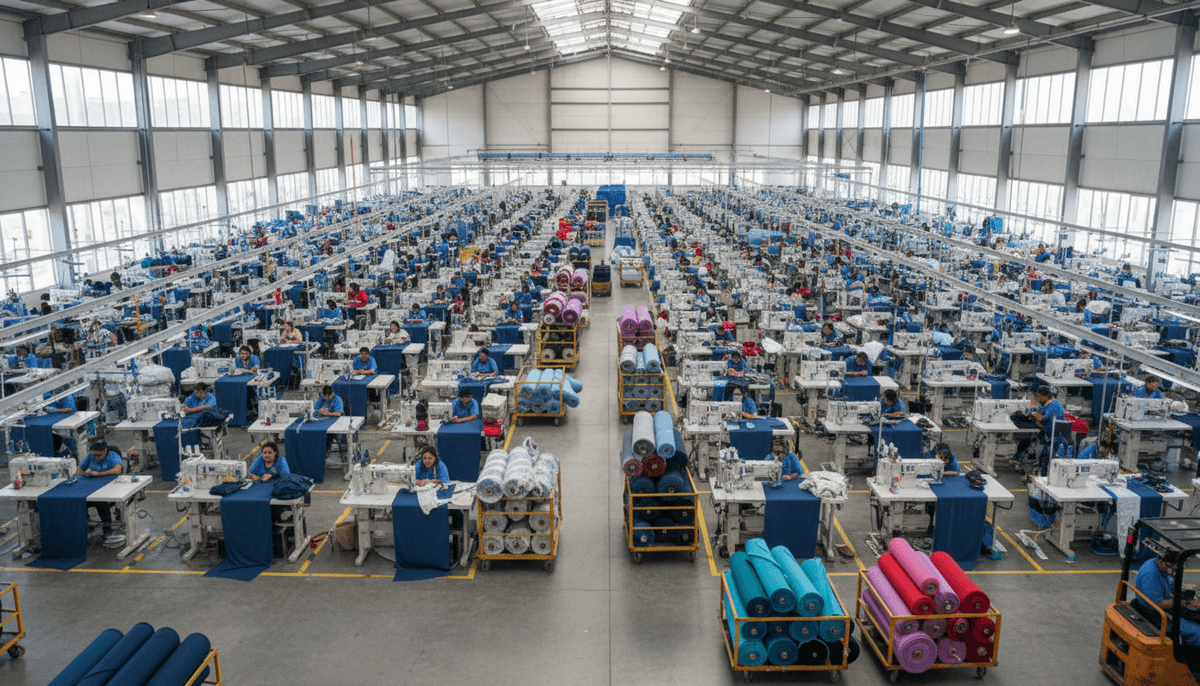
These countries collectively represent decades of accumulated manufacturing expertise, established quality control systems, and proven factory networks. However, tariff disadvantages are forcing even the most loyal importers to diversify their sourcing footprint. Factory owners in these regions are reporting reduced order volumes and increased pressure to lower prices, creating a challenging environment for suppliers who have invested heavily in compliance and quality infrastructure.
The Shift to Mexico, Central America, and Africa
The tariff restructuring has created a clear incentive to source from regions with preferential trade agreements or lower tariff exposure. Mexico, benefiting from USMCA, has become the primary beneficiary of this shift. Central American countries including Guatemala, Honduras, and El Salvador are experiencing increased interest from sourcing professionals seeking to establish new factory partnerships and production capacity.
Africa is emerging as a longer-term alternative, with countries like Ethiopia and Kenya attracting investment in apparel manufacturing. While African factories currently lack the scale and established quality systems of Asian competitors, the tariff advantage and potential for lower labor costs are driving increased factory discovery efforts and pilot production runs.
For procurement teams, this geographic diversification requires new supplier evaluation frameworks, quality assurance protocols, and logistics partnerships. The cost of factory discovery and supplier development in new regions must be weighed against tariff savings and supply chain resilience benefits.
Strategic Sourcing Responses: Nearshoring and Diversification
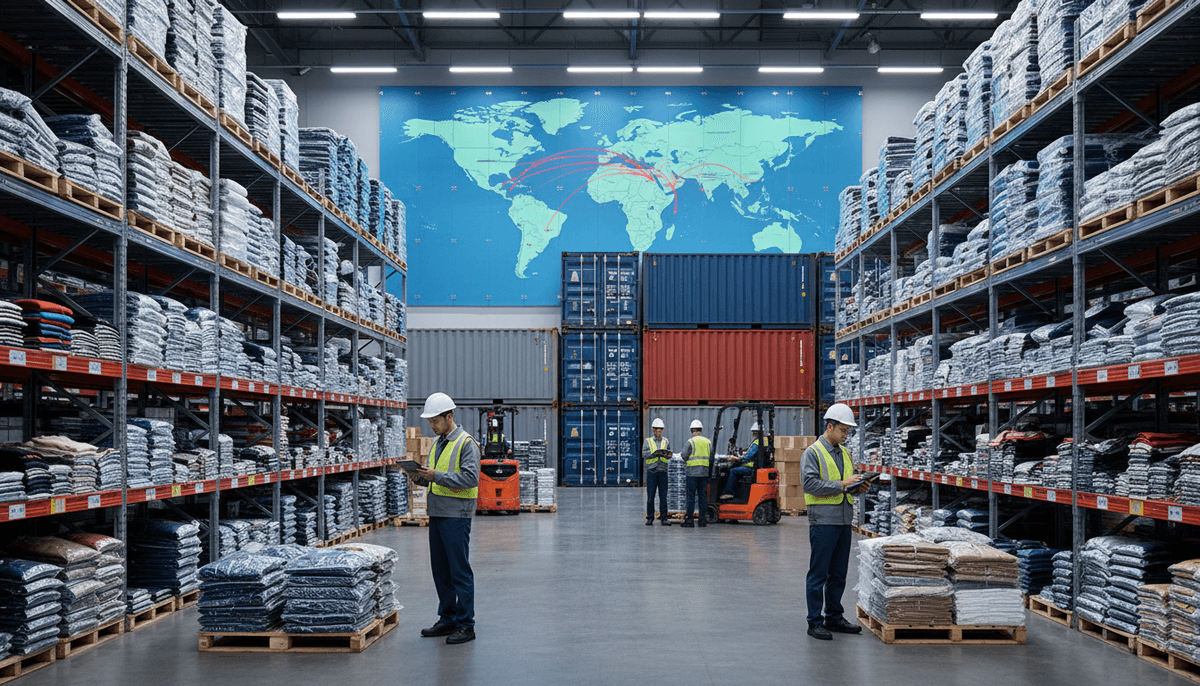
Leading importers and brands are implementing multi-pronged sourcing strategies to navigate the tariff crisis. Nearshoring to Mexico and Central America reduces both tariff exposure and lead times, improving inventory management and demand responsiveness. Simultaneously, many companies are maintaining selective sourcing from Asia for specific product categories where quality premiums or specialized manufacturing capabilities justify the tariff cost.
Vertical integration and direct factory partnerships are becoming increasingly valuable. Companies that own or have long-term commitments with factories in tariff-advantaged regions can lock in pricing and secure capacity. This is driving consolidation in the wholesale import sector and creating opportunities for sourcing professionals with established factory networks in Mexico and Central America.
The Factory Discovery Challenge
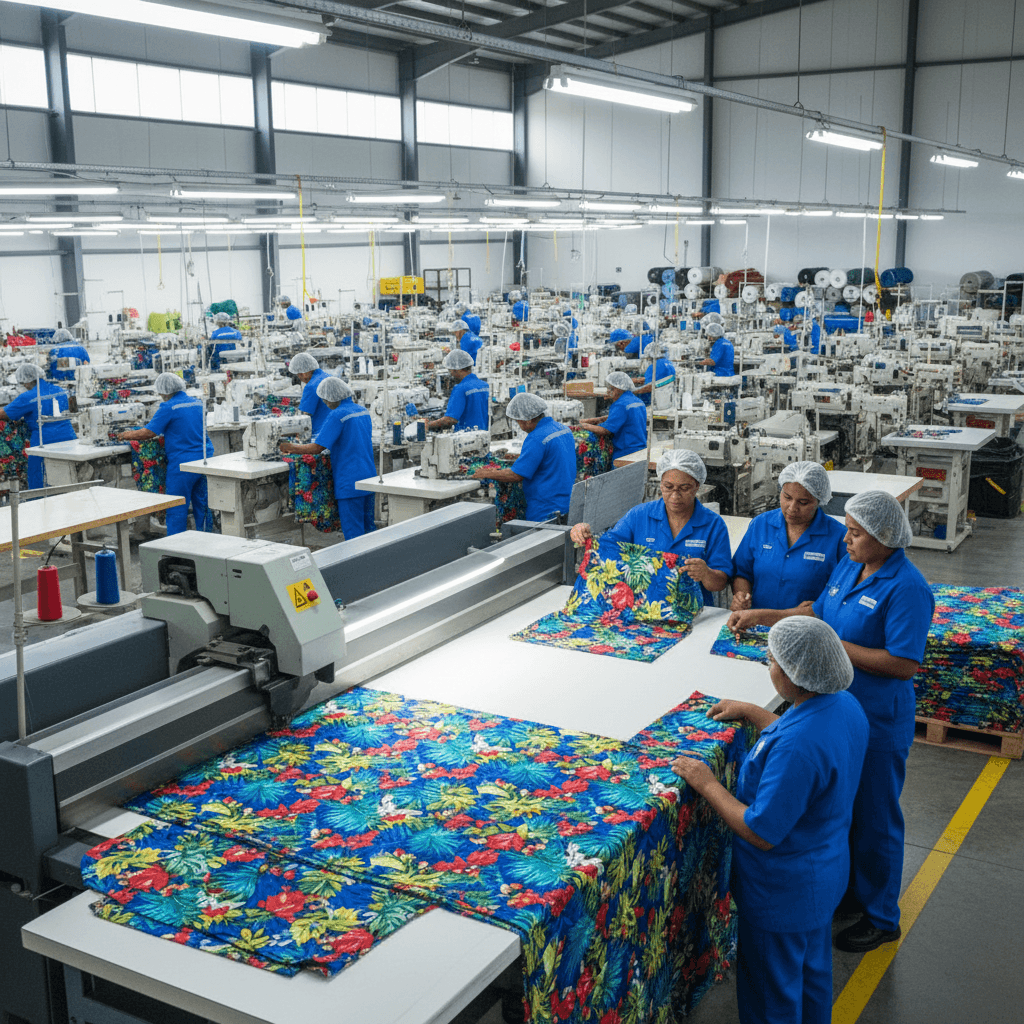
Rapid sourcing shifts create significant factory discovery challenges. Procurement teams must identify, evaluate, and qualify new suppliers in unfamiliar markets while maintaining quality standards and production timelines. This requires investment in on-site audits, sample production runs, and relationship building with factory owners and production managers in new regions.
The most successful importers are leveraging sourcing platforms, trade associations, and local sourcing consultants to accelerate factory discovery. However, capacity constraints in tariff-advantaged regions mean that not all volume can be easily relocated. Strategic prioritization of product categories and customer accounts is essential.
Consumer Pricing and Market Dynamics
The 21% short-term price increase is already visible in retail pricing. Consumers are facing higher prices for basic apparel categories, from t-shirts to jeans to outerwear. This price elasticity is creating market pressure on brands and retailers to find cost efficiencies elsewhere in the supply chain or accept margin compression.
Some retailers are responding by shifting product mix toward higher-margin items or private label products sourced from tariff-advantaged regions. Others are investing in automation and technology to reduce labor costs and offset tariff impacts. The competitive landscape is shifting rapidly, with winners and losers emerging based on sourcing agility and supply chain optimization.
Looking Ahead: 2026 and Beyond
The apparel tariff crisis will continue to reshape global supply chains throughout 2026 and beyond. Sourcing professionals must remain agile, continuously monitoring tariff policy changes, factory capacity in alternative regions, and consumer demand trends. Building resilient, diversified supplier networks is no longer optional—it is essential for competitive survival.
For more insights on trade policy impacts and supply chain restructuring, see Reuters coverage of apparel tariff impacts, Supply Chain Brain's analysis of nearshoring trends, and Sourcing Journal's factory discovery resources. Industry leaders are also tracking developments through the US International Trade Commission, which provides detailed tariff schedules and trade data. Additional context on Mexico's manufacturing advantage is available from Mexican Business Today, and African manufacturing opportunities are covered by African Business Magazine.