USMCA Tariff Qualification for Apparel: How to Achieve Duty-Free Status from Mexico
The United States-Mexico-Canada Agreement (USMCA) has fundamentally transformed apparel sourcing strategies for brands importing from Mexico. With 88.7% of U.S. apparel imports from Mexico now claiming duty-free USMCA benefits, understanding the compliance requirements has become essential for maintaining competitive pricing and avoiding unexpected tariff exposure. This comprehensive guide explores the practical steps required to achieve and maintain duty-free status under USMCA rules of origin.
Understanding USMCA Apparel Rules of Origin
The USMCA establishes specific rules of origin for apparel products, primarily through the yarn-forward rule. This requirement mandates that apparel must be produced from yarn that originates in one of the three USMCA member countries (United States, Mexico, or Canada) to qualify for duty-free treatment. The yarn-forward standard is the most stringent rule of origin requirement in the agreement and applies to most apparel categories, including knit fabrics, woven fabrics, and finished garments.
For apparel manufacturers and importers, the yarn-forward rule means that sourcing decisions must begin at the fiber and yarn stage, not at the fabric or finished goods stage. This upstream focus requires strategic planning and supplier relationship management across the entire supply chain. Brands that fail to maintain yarn-forward compliance face tariff rates ranging from 16% to 32% on apparel imports, significantly impacting margins and competitiveness.
Bill-of-Materials Sourcing Strategy
Developing a compliant bill-of-materials (BOM) is the foundation of USMCA qualification. A comprehensive BOM identifies every component of the finished garment, including the yarn, fabric, trims, buttons, zippers, and thread. Each component must be traced back to its origin to ensure USMCA compliance.
When sourcing materials for USMCA-compliant apparel, brands should prioritize suppliers who can provide documentation proving yarn origin. This includes certificates of origin, mill certifications, and supplier declarations. Many Mexican fabric mills and yarn producers now maintain USMCA compliance documentation as a competitive advantage, making it easier for brands to source compliant materials.
The BOM sourcing process involves several key steps: first, identify all material inputs required for the garment; second, determine the origin of each input; third, calculate the regional value content if applicable; and fourth, document all sourcing decisions with supporting evidence. This systematic approach reduces the risk of tariff reclassification and provides clear audit trails for customs compliance.
Article 2.5 Clawback Mechanisms and Tariff Exposure
One of the most critical but often misunderstood aspects of USMCA compliance is Article 2.5, which addresses the clawback mechanism. This provision allows customs authorities to deny USMCA benefits retroactively if a product is found to be non-compliant, even if the importer believed the shipment qualified for duty-free treatment.
The clawback mechanism creates significant tariff exposure for brands that fail to maintain proper documentation or make sourcing errors. When a product is denied USMCA benefits, the importer becomes liable for back duties, interest, and potential penalties. For large shipments of apparel, this exposure can amount to hundreds of thousands of dollars.
To mitigate clawback risk, brands should implement robust compliance verification systems. This includes conducting supplier audits, maintaining detailed sourcing records, and working with customs brokers who specialize in USMCA compliance. Many brands are also investing in supply chain visibility software that tracks material origins in real-time, providing early warning of potential compliance issues.
Practical Guidance for Achieving Duty-Free Status
Achieving consistent duty-free status under USMCA requires a multi-faceted approach that combines supplier selection, documentation management, and ongoing compliance monitoring. The following strategies have proven effective for brands importing apparel from Mexico:
- Establish supplier partnerships with USMCA-certified mills and yarn producers: Work exclusively with suppliers who maintain USMCA compliance documentation and can provide certificates of origin for all materials.
- Implement a material tracking system: Use software or spreadsheet systems to track the origin of every material input, from yarn through finished goods.
- Conduct regular supplier audits: Verify that suppliers are maintaining accurate records and sourcing materials from USMCA-compliant sources.
- Maintain comprehensive documentation: Keep all certificates of origin, supplier declarations, and sourcing records for a minimum of five years to support customs audits.
- Work with experienced customs brokers: Engage brokers who specialize in USMCA compliance to review shipments before importation and identify potential issues.
- Monitor tariff classification changes: Stay informed about updates to tariff classifications and USMCA rules that may affect your products.
Factory Discovery and Supplier Qualification
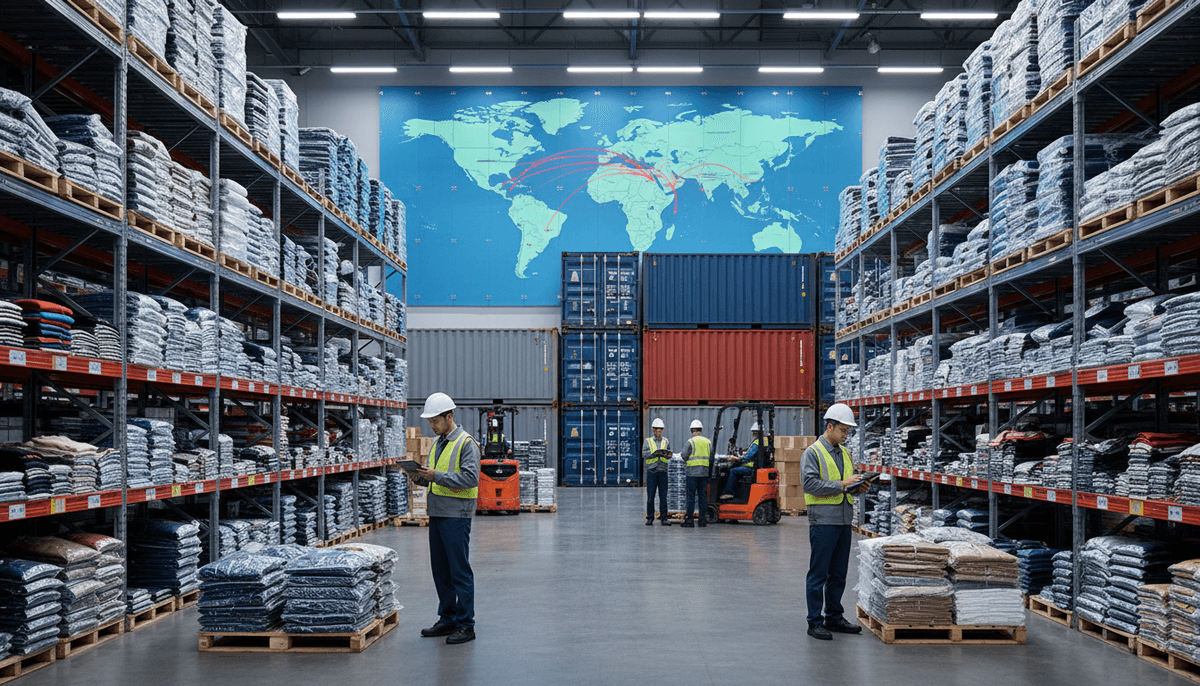
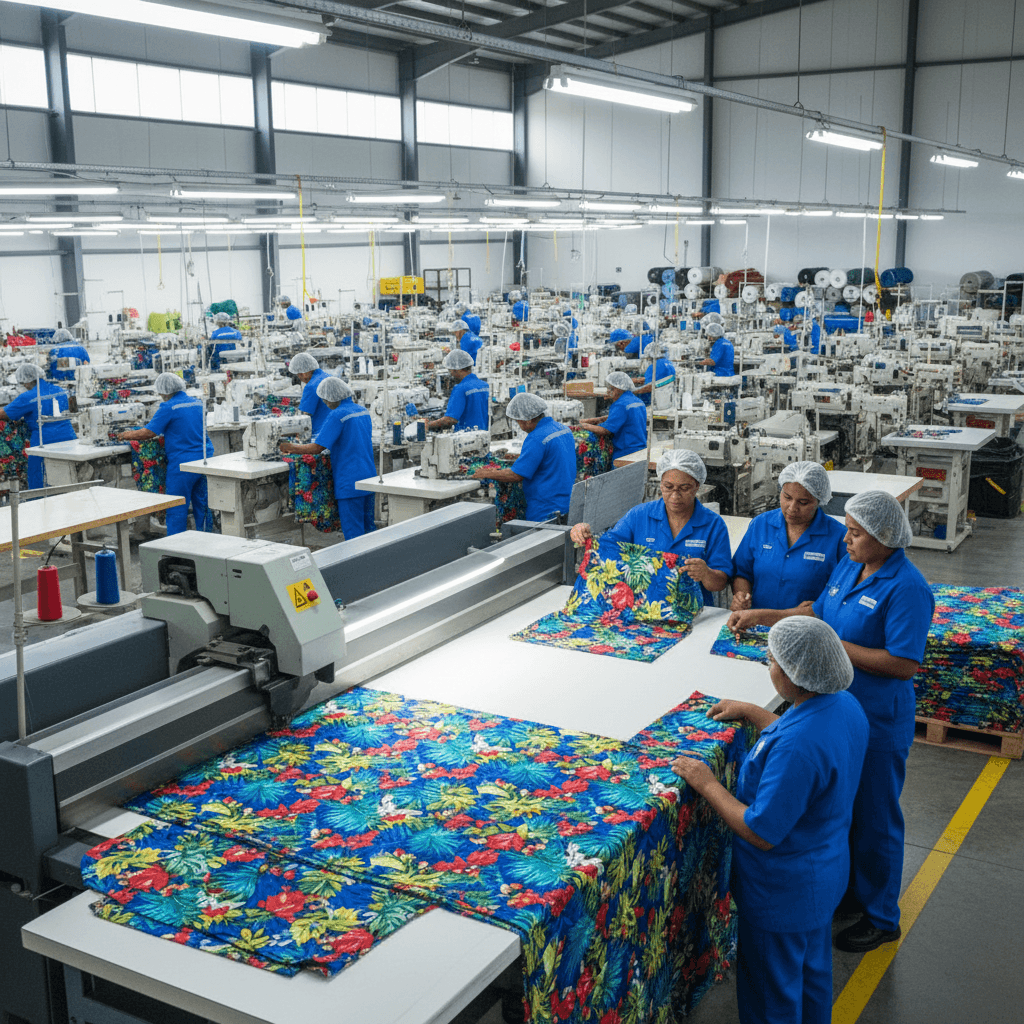
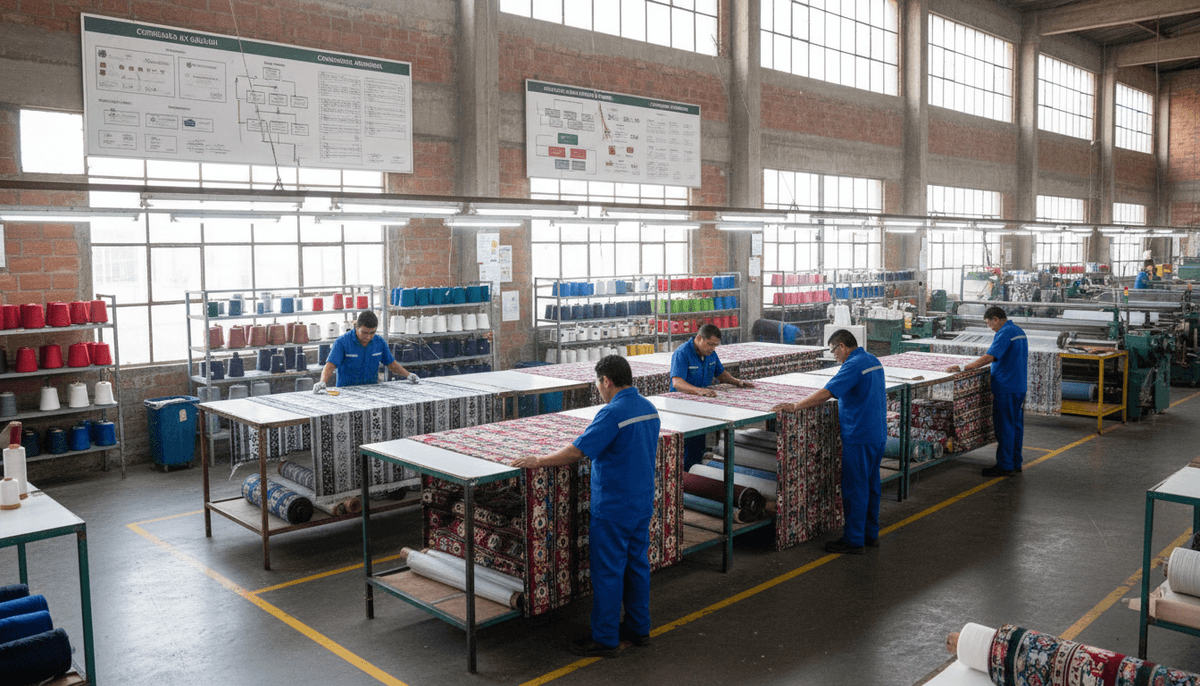
Finding and qualifying factories that can produce USMCA-compliant apparel is a critical component of the sourcing process. Many brands are expanding their factory networks in Mexico specifically to access USMCA benefits, but not all Mexican factories maintain the compliance infrastructure required for duty-free qualification.
When evaluating potential suppliers, brands should assess their ability to source USMCA-compliant materials, maintain proper documentation, and support compliance audits. This evaluation should include facility visits, supplier interviews, and review of existing compliance documentation. Factories that have invested in USMCA compliance systems are typically more reliable partners and less likely to create tariff exposure.
The factory discovery process has been accelerated by online platforms and trade associations that specialize in connecting brands with USMCA-compliant suppliers. These resources provide valuable information about factory capabilities, compliance certifications, and production capacity, reducing the time and cost of supplier qualification.
Documentation and Customs Compliance
Proper documentation is the cornerstone of USMCA compliance. Every shipment of apparel imported under USMCA benefits must be supported by documentation proving that the product meets the yarn-forward rule. This documentation includes:
- Commercial invoices showing the origin of materials
- Certificates of origin from suppliers
- Mill certifications for fabrics and yarns
- Supplier declarations of USMCA compliance
- Internal bill-of-materials records
- Customs entry documentation claiming USMCA benefits
Customs brokers and importers must maintain these documents for a minimum of five years and make them available for inspection during customs audits. Many brands are digitizing their documentation systems to improve accessibility and reduce the risk of lost or incomplete records.
Market Trends and Future Considerations
The apparel industry's adoption of USMCA benefits continues to grow, with brands increasingly recognizing the competitive advantages of duty-free sourcing from Mexico. However, this trend has also increased scrutiny from U.S. Customs and Border Protection, which has expanded audits and enforcement activities related to USMCA compliance.
Looking forward, brands should expect continued focus on USMCA compliance verification and documentation requirements. Investing in compliance infrastructure now will position brands to navigate future regulatory changes and maintain access to duty-free benefits. Additionally, brands should monitor developments in nearshoring and supply chain resilience, as USMCA benefits are driving increased investment in Mexican apparel manufacturing capacity.
For more information on USMCA compliance and apparel sourcing strategies, consult resources from the official USMCA website, industry associations, and experienced customs brokers. Staying informed about rule changes and best practices will help ensure your apparel imports maintain duty-free status and avoid costly tariff exposure.