The Best Product Sourcing Agencies in Latin America
Latin America rarely tops the list when U.S. buyers think about overseas sourcing — but for certain product categories, it offers real advantages: geographic proximity, favorable trade agreements, shorter lead times, and growing manufacturing capacity. The challenge is finding reliable sourcing agencies that can connect you to vetted factories rather than trading companies with thin margins and limited accountability.
This guide covers what to look for in a Latin American sourcing agency, which countries have the strongest manufacturing infrastructure, and how to evaluate agencies before you commit to a purchase order.
Why Source from Latin America at All
Before hiring an agency, the business case needs to be clear. Latin America makes sense for U.S. importers when:
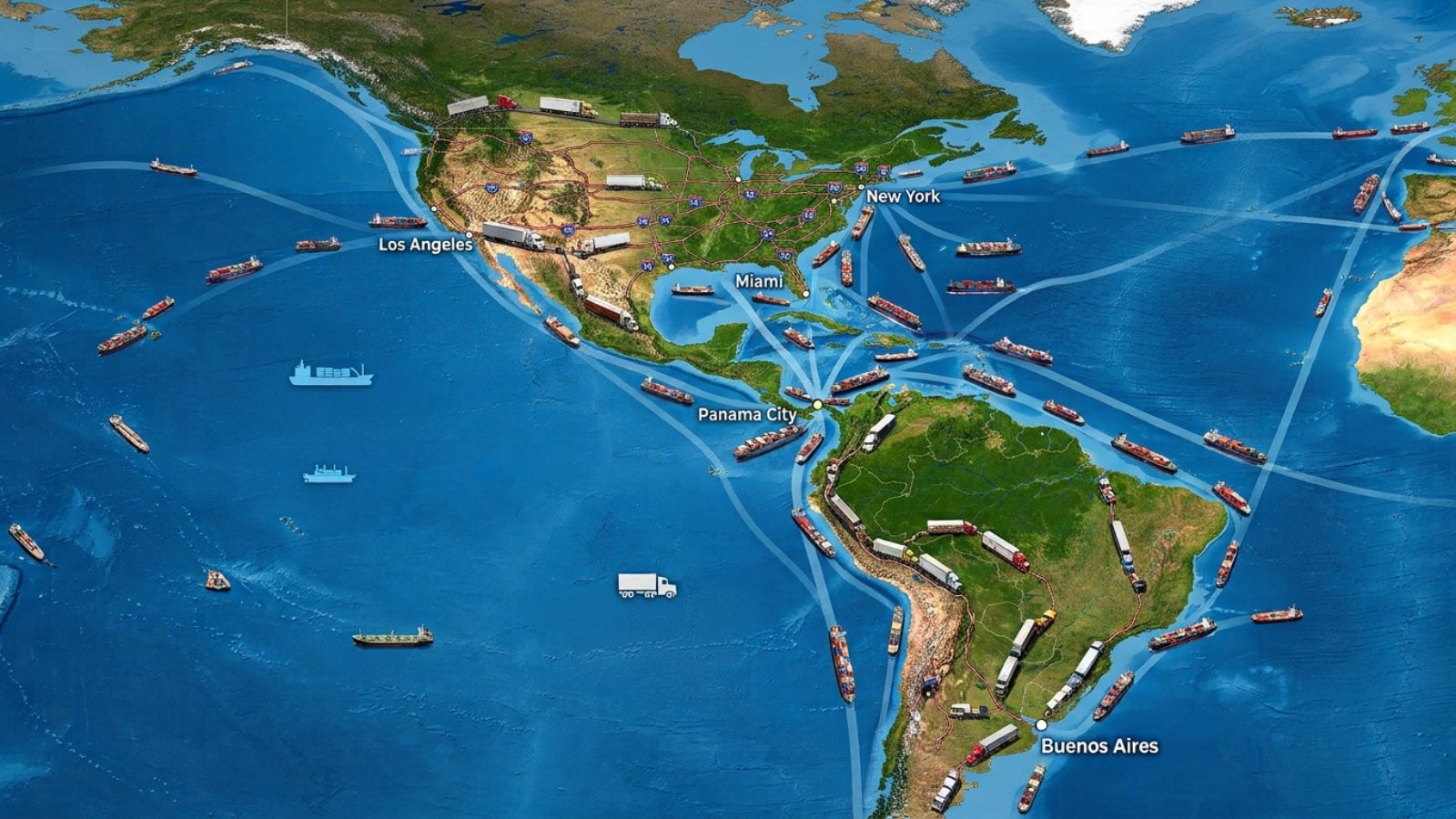
- Nearshoring matters. Ocean freight from China runs 25–40 days. From Mexico, it can be 3–7 days by truck or rail. For time-sensitive replenishments, that difference is significant.
- USMCA and other trade agreements apply. Products manufactured in Mexico may qualify for zero or reduced tariffs under USMCA, which changes the landed cost calculation entirely compared to China-origin goods subject to Section 301 tariffs.
- Your product category fits. Textiles, apparel, automotive components, leather goods, furniture, food and agricultural products, ceramics, and certain plastics are well-suited to the region. Consumer electronics and highly technical components are not.
Key Countries and Their Manufacturing Strengths
Mexico is the most mature sourcing destination in the region for U.S. buyers. Monterrey, Guadalajara, and the Bajío region host established contract manufacturers across automotive parts, metal fabrication, injection-molded plastics, and apparel. The maquiladora structure is well understood by most sourcing agencies operating here.
Colombia has grown its manufacturing base in apparel, leather goods, and cosmetics. Medellín in particular has a strong textile cluster. Lead times to U.S. ports on the East Coast are competitive.
Brazil is the region's largest economy and has industrial capacity in footwear, furniture, agricultural equipment, and food processing. However, Brazil's complex tax structure and import/export regulations make a well-connected local agency essential rather than optional.
Peru is a strong option for natural fibers — alpaca wool, pima cotton, and similar textiles. Factories in Lima and Arequipa regularly export to European and U.S. buyers.
Guatemala and Honduras remain competitive in cut-and-sew apparel, particularly for buyers who need proximity and CAFTA-DR trade benefits.
What a Good Sourcing Agency in Latin America Does
A legitimate sourcing agency in this region should be able to:
- Identify and pre-screen factories based on your product specs, MOQ requirements, and certifications
- Conduct or coordinate factory audits (social compliance, quality systems, capacity)
- Manage sampling rounds and communicate directly with production teams in Spanish or Portuguese on your behalf
- Oversee production QC and arrange pre-shipment inspections
- Handle export documentation, coordinate with freight forwarders, and ensure correct country-of-origin documentation for customs purposes
Agencies that only broker introductions without ongoing production oversight are trading companies by another name. Clarify scope before signing any agreement.
How to Evaluate a Sourcing Agency Before You Hire
1. Ask for a client reference list in your product category. A strong textile agency in Colombia may have no useful contacts in Mexican metal fabrication. Category-specific experience matters more than general regional coverage.
2. Verify how they are compensated. Agencies typically charge a service fee (flat or percentage of FOB value), take a margin on factory pricing, or both. Lack of transparency here is a red flag. A reliable agency will clearly separate their fee from the factory price.
3. Request a sample factory audit report. Any agency claiming to vet suppliers should be able to show you a redacted example of how they document factory visits — capacity, quality systems, labor practices, and certifications.
4. Confirm in-country presence. An agency operating remotely from Miami with "contacts" in Mexico City is not the same as one with staff on the ground who visit factories regularly. Ask directly: do you have employees or retained agents physically located near the factories you recommend?
5. Test responsiveness and communication. Time zone alignment is one of Latin America's advantages. If an agency takes three days to respond to an RFQ, that is not a logistics problem — it is a management problem.
Red Flags to Watch For
- Agencies that guarantee factory pricing before reviewing your specs
- Requests for large upfront retainers before any factory has been identified
- No verifiable audit history or third-party inspection partnerships
- Pressure to place orders quickly without a sampling phase
- Inability to provide Harmonized Tariff Schedule (HTS) guidance or connect you with a customs broker
Working with an Agency vs. Sourcing Directly
For buyers doing their first production run in a new country, an agency reduces risk significantly — but it adds cost. Once you have established relationships with two or three reliable factories in a region, direct sourcing often becomes more efficient. Use agency relationships strategically: to enter a new market, to vet a category you have not sourced before, or to manage production in a country where language and logistics are unfamiliar.
Latin America is not a shortcut to cheap production. It is a viable sourcing region for specific product categories where proximity, trade agreements, and manufacturing capability align with your supply chain requirements. A well-chosen sourcing agency can accelerate that alignment considerably.