The Top 10 Cities by Manufacturing Output in the Americas
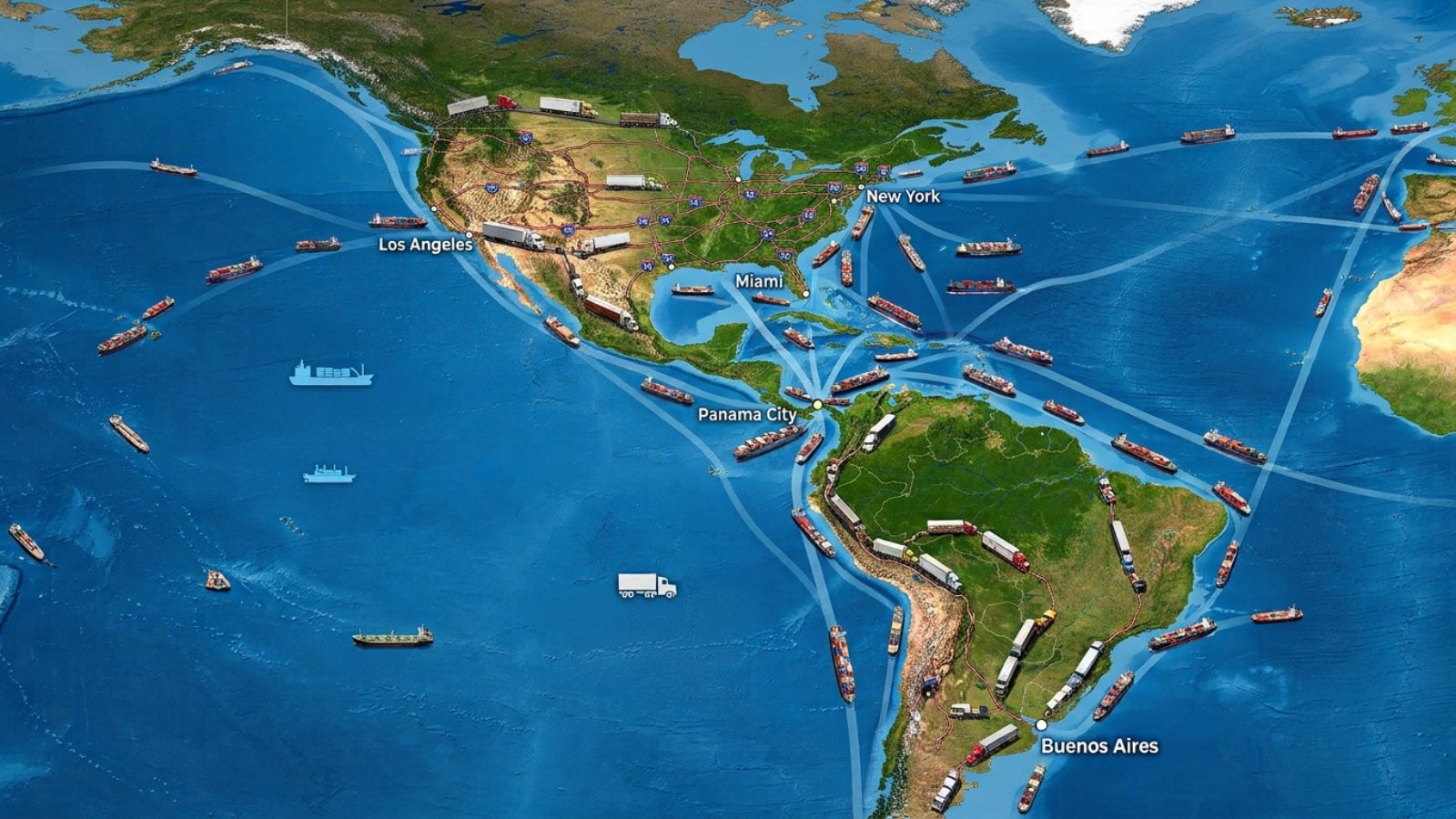
If you're sourcing from the Americas, knowing which cities concentrate the most manufacturing output shapes where you look for suppliers, how you plan audits, and what lead times and freight costs you can realistically expect. The list below covers the major industrial metros across North, Central, and South America, ranked by general manufacturing significance — including auto, electronics, food processing, apparel, aerospace, and heavy industry.
1. São Paulo, Brazil
São Paulo is the industrial capital of Latin America. The greater metro area produces vehicles, machinery, chemicals, pharmaceuticals, and processed foods. Its ABC Paulista industrial belt — Santo André, São Bernardo do Campo, and São Caetano do Sul — houses major auto assembly and parts suppliers. For importers, the challenge is Brazil's complex tax structure (ICMS, IPI), but the sheer supplier density makes it worth navigating.
2. Mexico City, Mexico
The Mexico City metro and its surrounding State of Mexico municipalities are home to food and beverage manufacturing, plastics, textiles, and consumer goods. Proximity to major highways connecting to the U.S. border and ports on both coasts gives Mexico City-based factories reasonable logistics access, though manufacturers targeting U.S. buyers often prefer northern Mexico for speed.
3. Monterrey, Mexico
Monterrey punches well above its population in manufacturing terms. It is Mexico's heavy industry hub — steel, cement, glass, auto parts, electronics assembly, and appliances. It sits roughly 150 miles from the U.S. border at Laredo, making it a strong nearshoring option for buyers who want shorter lead times and easier factory visits than Asia-based sourcing.
4. Chicago, USA
Chicago remains the largest manufacturing metro in the United States by output. It leads in fabricated metals, food processing, chemicals, and printing. The region's freight infrastructure — rail, highway, and the Port of Indiana — makes it a distribution and production hub for buyers sourcing domestically or managing inbound freight from overseas.
5. Los Angeles, USA
Los Angeles is the largest U.S. port complex and a significant manufacturing city in its own right. Aerospace, apparel, furniture, food products, and medical devices are all produced here. For importers, L.A. doubles as an entry point for ocean freight from Asia and a domestic supplier base, particularly for apparel and consumer goods.
6. Detroit, USA
Detroit's manufacturing identity remains tied to automotive — vehicle assembly, stamping, powertrain components, and tier-1 and tier-2 auto suppliers. But the metro also produces industrial equipment and defense-related components. If your product intersects with automotive supply chains (brackets, seals, wiring, tooling), Detroit is a sourcing region worth mapping.
7. Guadalajara, Mexico
Guadalajara is Mexico's electronics and technology manufacturing center, often called the "Silicon Valley of Mexico." It hosts a dense cluster of EMS (electronics manufacturing services) companies, printed circuit board assemblers, and medical device manufacturers. U.S. buyers in electronics, medical, and tech hardware categories should have Guadalajara on their supplier shortlist.
8. Buenos Aires, Argentina
Buenos Aires is Argentina's dominant industrial center, with significant output in food and beverage, chemicals, plastics, and auto parts. Currency volatility and import/export regulations have historically complicated sourcing relationships, but the city's manufacturing base is substantial and technically capable, particularly in food-grade and pharmaceutical production.
9. Bogotá, Colombia
Bogotá has grown as a manufacturing hub for textiles and apparel, food processing, chemicals, and plastics. Colombia's trade agreements — including the U.S.-Colombia Free Trade Agreement — can reduce duty costs on qualifying goods. Apparel importers in particular have found Colombian factories competitive on quality for certain product categories.
10. Toronto, Canada
Toronto and the surrounding Golden Horseshoe region represent Canada's manufacturing heartland. Automotive, aerospace, food processing, and industrial machinery are the dominant sectors. For U.S. buyers, Canadian suppliers offer USMCA preferential duty treatment, no language barrier, and straightforward logistics across shared land borders.
What This Means for Your Sourcing Strategy
City-level manufacturing concentration tells you where to focus supplier searches, which trade shows to attend, and where factory audit trips make the most logistical sense. A few practical takeaways:
- Nearshoring candidates: Monterrey and Guadalajara consistently appear in conversations about shifting production closer to the U.S. market. Both offer mature supplier ecosystems and manageable transit times.
- Trade agreement leverage: Mexico (USMCA), Colombia (U.S.-Colombia FTA), and Canada (USMCA) all offer potential duty savings that Asia-based sourcing does not.
- Factory visit planning: If you're auditing multiple suppliers, cluster visits by metro area. Flying into São Paulo, Monterrey, or Chicago and scheduling 3–5 factory visits in the same week is far more efficient than ad hoc travel.
- Logistics realism: Manufacturing output in a city does not equal easy export logistics. Buenos Aires and São Paulo both have bureaucratic freight processes. Factor customs clearance time and documentation complexity into your lead time estimates, not just production time.