USMCA Review in 2026: Rules of Origin and Nearshoring Viability Under Scrutiny

The United States-Mexico-Canada Agreement (USMCA) enters its formal six-year review in 2026, marking a critical juncture for apparel manufacturers, textile suppliers, and industrial sourcing professionals across North America. As importers and product sourcing teams reassess their supply chain strategies, the rules of origin definitions that govern duty-free access for nearshored goods have become the focal point of intense scrutiny. The uncertainty surrounding these regulations threatens to undermine the entire nearshoring strategy that has been reshaping Western Hemisphere manufacturing over the past several years.
Understanding the USMCA Review Process
The USMCA, which replaced NAFTA on July 1, 2020, includes a mandatory review mechanism scheduled for 2026. This review allows the three signatory nations—the United States, Mexico, and Canada—to assess the agreement's performance and propose modifications. For importers and wholesale trade professionals, this review represents both an opportunity and a risk. The outcomes could either strengthen nearshoring incentives or introduce new compliance complexities that disrupt established supply chains.
Rules of Origin: The Foundation of Nearshoring Economics
Rules of origin (ROO) are the technical specifications that determine whether a product qualifies for preferential tariff treatment under the USMCA. For apparel and textiles, these rules are particularly stringent. A garment must meet specific yarn-forward or fiber-forward requirements to enter the United States duty-free from Mexico or Canada. This means that fabric must be produced from yarn sourced within the USMCA region, creating a closed-loop manufacturing ecosystem.
For product sourcing professionals and factory discovery teams, understanding these rules is essential. A slight change in ROO definitions could render entire production facilities non-compliant, forcing importers to redirect orders to alternative suppliers or face significant tariff liabilities. The current rules have incentivized nearshoring by making it economically viable to produce apparel in Mexico rather than importing finished goods from Asia.
The Nearshoring Boom and Its Vulnerabilities
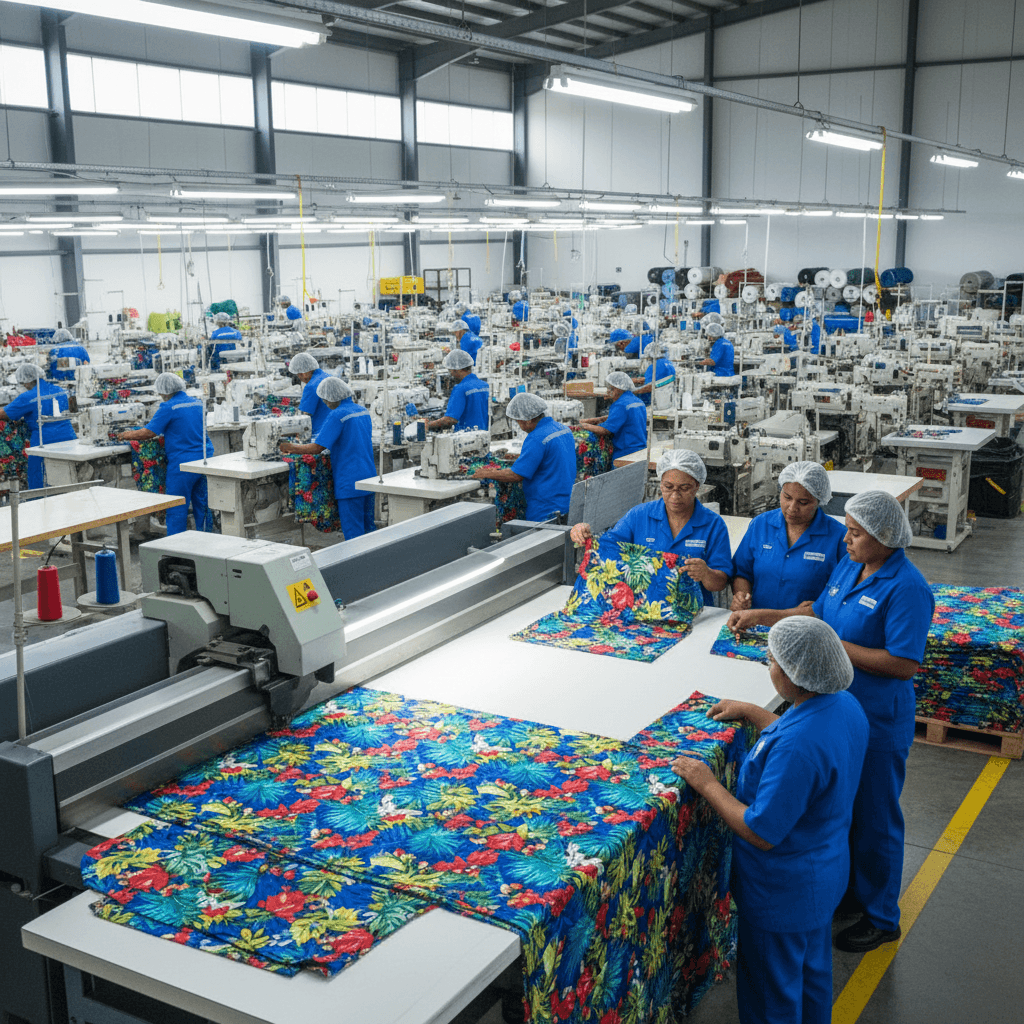
Over the past five years, nearshoring has transformed Western Hemisphere manufacturing. Major apparel brands and wholesale importers have invested billions in Mexican production facilities, attracted by reduced lead times, lower logistics costs, and duty-free access to the US market. This shift has created thousands of jobs in Mexico and strengthened the region's manufacturing base.
However, this boom rests on the assumption that current ROO definitions will remain stable. If the 2026 review results in stricter rules—such as higher regional value content requirements or more restrictive yarn sourcing provisions—the economics of nearshoring could shift dramatically. Importers who have built their supply chains around Mexican factories may find themselves forced to reconsider their sourcing strategies.
Key Issues Under Review
Several critical issues are expected to dominate the 2026 USMCA review:
- Yarn-Forward Requirements: The current yarn-forward rule requires that apparel be made from yarn produced in the USMCA region. Some stakeholders are pushing for relaxation, while others want stricter enforcement.
- Regional Value Content: Discussions may focus on increasing the percentage of value that must be added within the USMCA region, which would further incentivize nearshoring but also increase production costs.
- Digital Trade and E-Commerce: New provisions may address cross-border digital commerce and data flows, affecting how importers manage their supply chains.
- Labor and Environmental Standards: Enhanced labor provisions and environmental compliance requirements could increase compliance costs for manufacturers and importers.
- Tariff Schedules: Potential adjustments to tariff rates for specific product categories, including apparel, textiles, and industrial goods.
Implications for Importers and Sourcing Professionals
For US importers and wholesale trade professionals, the 2026 review demands immediate attention. Now is the time to conduct a comprehensive audit of your supply chain compliance. Verify that your Mexican and Canadian suppliers meet current ROO requirements and understand how potential changes might affect your operations.
Factory discovery and supplier evaluation should focus on facilities with strong documentation practices and transparent supply chains. Suppliers who can clearly trace their yarn and fabric sourcing to USMCA-compliant sources will be better positioned to weather any regulatory changes. Additionally, consider diversifying your sourcing base to include both nearshored and alternative suppliers, reducing your exposure to any single regulatory outcome.
Strategic Recommendations for 2026
Importers should take several proactive steps to prepare for the USMCA review outcomes:
1. Conduct a detailed compliance audit of all Mexican and Canadian suppliers, documenting ROO compliance for each product category. 2. Engage with industry associations and trade groups that are actively participating in the review process, such as the American Apparel and Footwear Association and the National Retail Federation. 3. Develop contingency sourcing plans that account for potential changes to ROO definitions or tariff rates. 4. Invest in supply chain visibility tools that provide real-time tracking of yarn and fabric sourcing, ensuring compliance with evolving regulations. 5. Monitor official USMCA review announcements and participate in public comment periods if your business is significantly affected.
The Broader Context: Global Trade Dynamics
The USMCA review occurs against a backdrop of shifting global trade dynamics. Rising labor costs in Mexico, increased competition from other nearshoring destinations, and ongoing geopolitical tensions all influence the calculus of where to source products. The review provides an opportunity to strengthen the agreement and make nearshoring even more attractive, or it could introduce uncertainties that push some importers back toward Asian suppliers.
For more information on USMCA compliance and nearshoring strategies, consult resources from the U.S. International Trade Commission and industry publications covering trade policy. Additionally, the American Apparel and Footwear Association provides detailed guidance on rules of origin compliance. The National Retail Federation also publishes regular updates on trade agreement developments affecting importers. For sourcing professionals, Thomas Industrial Network offers factory discovery tools and supplier databases. The U.S. Customs and Border Protection website provides official guidance on tariff classifications and ROO determinations. Finally, the World Bank's WITS database offers comprehensive trade statistics and tariff information.
The 2026 USMCA review will shape the future of nearshoring and Western Hemisphere manufacturing for years to come. By understanding the key issues at stake and preparing strategically, importers and sourcing professionals can navigate this critical transition and protect their supply chain investments.