
Understanding Lead Times in Textile Manufacturing: From Raw Materials to Customs Clearance
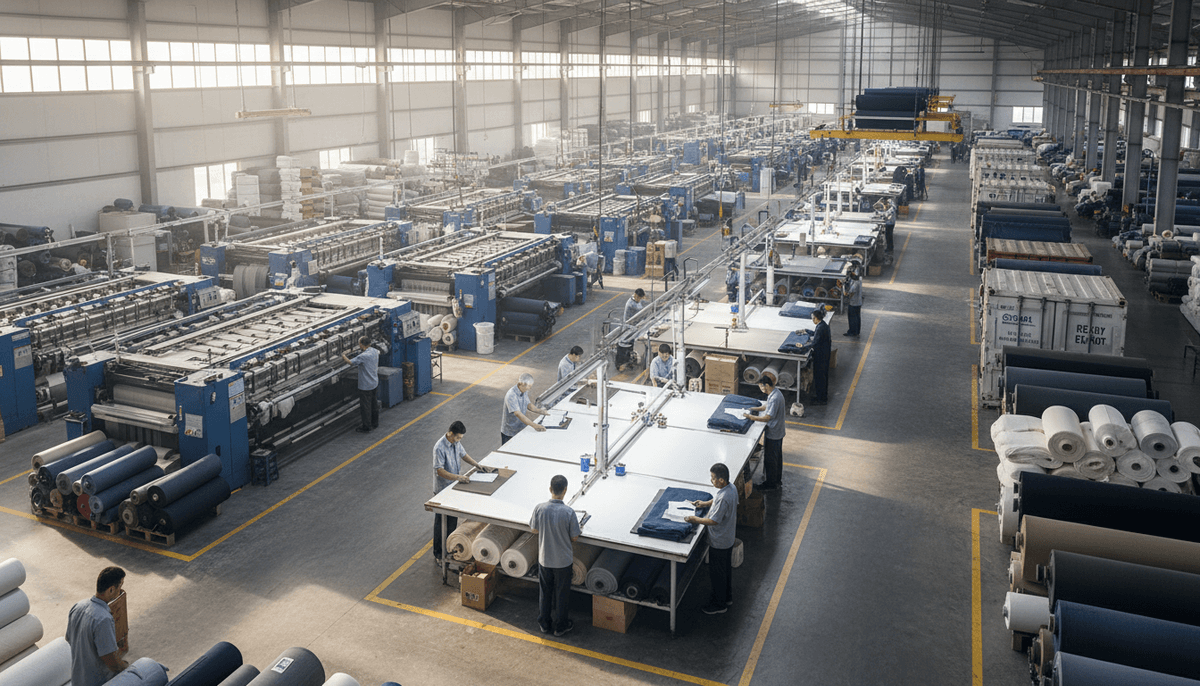
- The Six Stages of Textile Manufacturing Lead Time
- Stage 1: Fabric Sourcing and Material Procurement
- Stage 2: Sampling and Design Approval
- Stage 3: Production Planning and Setup
- Stage 4: Manufacturing and Quality Control
- Stage 5: Inspection and Final Quality Assurance
- Stage 6: Customs Clearance and Logistics
- How Tariffs Impact Textile Lead Times
- Strategies to Reduce Lead Times When Sourcing from Latin America
- The Role of Factory Discovery in Lead Time Management
- Communication and Documentation Best Practices
- Benchmarking Lead Times by Product Type
- Risk Mitigation and Contingency Planning
- Conclusion
Procurement teams sourcing textiles from Latin America and other regions often underestimate the complexity of lead times. Many assume lead time is simply the time it takes to sew a garment or produce fabric. In reality, textile manufacturing lead times encompass six or more distinct stages, each with its own variables, risks, and potential delays. Understanding these stages is critical for supply chain planning, cost management, and meeting customer deadlines.
The Six Stages of Textile Manufacturing Lead Time
Textile lead time is not monolithic. It consists of multiple overlapping and sequential phases that begin long before production starts and extend well beyond the factory gate. Each stage introduces complexity that procurement professionals must account for when planning wholesale orders and managing factory discovery processes.
Stage 1: Fabric Sourcing and Material Procurement
The first stage of textile lead time begins with sourcing raw materials and finished fabrics. Whether you are sourcing cotton, polyester, or specialty blends, fabric suppliers must first procure their own raw materials. This stage typically takes 2 to 6 weeks, depending on fabric availability, supplier location, and order volume. When sourcing from Latin America, procurement teams must consider regional fabric availability and whether materials must be imported from Asia or Europe. Delays in this stage cascade through the entire production timeline, making early communication with fabric suppliers essential for US imports and wholesale operations.
Stage 2: Sampling and Design Approval
Before mass production begins, most textile manufacturers require a sampling phase. During this stage, the factory produces a small batch of the product to verify design specifications, color accuracy, and quality standards. Sampling typically takes 1 to 3 weeks and involves multiple rounds of revisions. This is where factory discovery and supplier evaluation become critical—experienced manufacturers with established quality control processes can complete sampling faster and with fewer iterations. Procurement teams should factor in communication delays, especially when working across time zones with Latin American suppliers.
Stage 3: Production Planning and Setup
Once samples are approved, the factory must plan production runs, schedule machinery, and prepare materials. This stage includes cutting patterns, preparing dyes, and organizing labor. Production setup typically takes 1 to 2 weeks and varies based on order complexity and factory capacity. Larger orders may experience longer lead times during this phase if the factory must schedule production around other clients' orders. Understanding a supplier's production capacity and scheduling practices is essential during factory discovery.
Stage 4: Manufacturing and Quality Control
The actual production stage is where textiles are manufactured, whether through weaving, knitting, dyeing, or sewing. This stage typically takes 2 to 8 weeks, depending on product type, order volume, and production complexity. Textile manufacturing involves multiple sub-processes: yarn preparation, fabric creation, dyeing, finishing, and garment assembly. Each sub-process introduces potential delays. Quality control inspections occur throughout this stage to catch defects early. For US imports, maintaining consistent quality standards is critical to avoid costly rejections at customs or by end customers.
Stage 5: Inspection and Final Quality Assurance
Before shipment, finished textiles undergo comprehensive inspection. Third-party quality inspectors may be hired to verify that products meet specifications, safety standards, and customer requirements. This stage typically takes 1 to 2 weeks and includes testing for colorfastness, shrinkage, tensile strength, and other performance metrics. Inspection delays can occur if defects are discovered, requiring rework or replacement batches. Procurement teams should budget for potential inspection failures when planning wholesale orders.
Stage 6: Customs Clearance and Logistics
The final stage involves shipping, customs documentation, and clearance. For US imports from Latin America, this stage is particularly complex due to tariff classifications, rules of origin, and customs procedures. Textile tariffs can significantly impact both cost and timeline. Delays in customs clearance can add 1 to 4 weeks to total lead time, depending on documentation accuracy and customs workload. Working with experienced customs brokers and ensuring proper HS codes and country-of-origin documentation is essential for smooth clearance.
How Tariffs Impact Textile Lead Times
Tariffs are not just a cost consideration—they directly affect lead times. Higher tariffs may trigger more rigorous customs inspections, increasing clearance time. Additionally, tariff changes can prompt procurement teams to accelerate orders or shift sourcing strategies, creating bottlenecks at ports and with suppliers. Understanding current tariff rates for textile products is essential for accurate lead time planning. The U.S. International Trade Commission provides detailed tariff information that procurement professionals should consult when sourcing textiles.
Strategies to Reduce Lead Times When Sourcing from Latin America
Latin America offers significant advantages for textile sourcing, including proximity to US markets, lower labor costs, and established manufacturing infrastructure. However, procurement teams can implement several strategies to minimize lead times:
- Establish long-term supplier relationships: Working with the same factories over time reduces sampling cycles and improves communication efficiency.
- Invest in factory discovery: Thoroughly vetting suppliers before placing orders helps identify manufacturers with reliable timelines and quality standards.
- Use nearshoring advantages: Latin American suppliers offer shorter shipping times compared to Asian manufacturers, reducing the final logistics stage.
- Implement concurrent processing: Overlap sampling, production planning, and material sourcing when possible to compress timelines.
- Maintain safety stock: Building inventory buffers protects against unexpected delays in any of the six stages.
- Leverage technology: Use supply chain visibility platforms to track orders in real-time and identify potential delays early.
- Understand tariff classifications: Work with customs brokers to ensure proper HS codes and documentation, reducing customs clearance delays.
The Role of Factory Discovery in Lead Time Management
Effective factory discovery is foundational to managing textile lead times. When evaluating potential suppliers, procurement teams should assess production capacity, quality control processes, sampling turnaround times, and experience with US imports. Platforms like Alibaba and industry directories can help identify manufacturers, but direct communication and facility visits are invaluable for understanding a factory's actual capabilities and constraints. Experienced sourcing professionals often conduct on-site audits to verify production timelines and quality standards before committing to large wholesale orders.
Communication and Documentation Best Practices
Clear communication with suppliers is essential for managing lead times across all six stages. Procurement teams should establish detailed specifications, timelines, and quality requirements upfront. Regular check-ins during production help identify potential delays before they become critical issues. Proper documentation—including purchase orders, technical specifications, and customs paperwork—prevents misunderstandings and accelerates customs clearance. The U.S. Small Business Administration offers resources on international trade documentation that can help procurement teams navigate the complexities of US imports.
Benchmarking Lead Times by Product Type
Different textile products have different lead time profiles. Basic cotton t-shirts may have shorter lead times (8 to 12 weeks total) compared to complex garments with multiple components, embroidery, or special finishes (12 to 20 weeks). Fabric-only orders typically have shorter lead times than finished garments. Procurement teams should benchmark lead times based on their specific product category and use historical data to set realistic timelines. The Office of Textiles and Apparel (OTEXA) provides industry data that can inform benchmarking efforts.
Risk Mitigation and Contingency Planning
Despite careful planning, delays can occur at any stage of textile manufacturing. Procurement teams should develop contingency plans that account for potential disruptions: supplier capacity constraints, quality issues, shipping delays, or customs complications. Diversifying suppliers across multiple Latin American countries reduces dependency on any single source. Building relationships with backup suppliers ensures that alternative sourcing options are available if primary suppliers experience delays. Trade.gov's market research library provides insights into regional supply chain dynamics that can inform risk mitigation strategies.
Conclusion
Understanding the six stages of textile manufacturing lead time—fabric sourcing, sampling, production planning, manufacturing, inspection, and customs clearance—is essential for procurement professionals managing wholesale orders and US imports. Lead times are not simply production time; they encompass complex supply chain processes that extend from raw material procurement through final customs clearance. By investing in thorough factory discovery, maintaining clear communication with suppliers, understanding tariff implications, and implementing strategic sourcing practices, procurement teams can optimize lead times and reduce delays when sourcing textiles from Latin America and other regions. The key to success is recognizing that lead time management is a continuous process that requires attention to detail, proactive communication, and a deep understanding of both manufacturing processes and international trade regulations.